All-atom simulations of human tropoelastin point to hydration water as the main source of elastin recoil
Multi-microsecond all-atom simulations of a human tropoelastin region put the dominant entropic cost of stretching on hydration water, not on the protein chain.
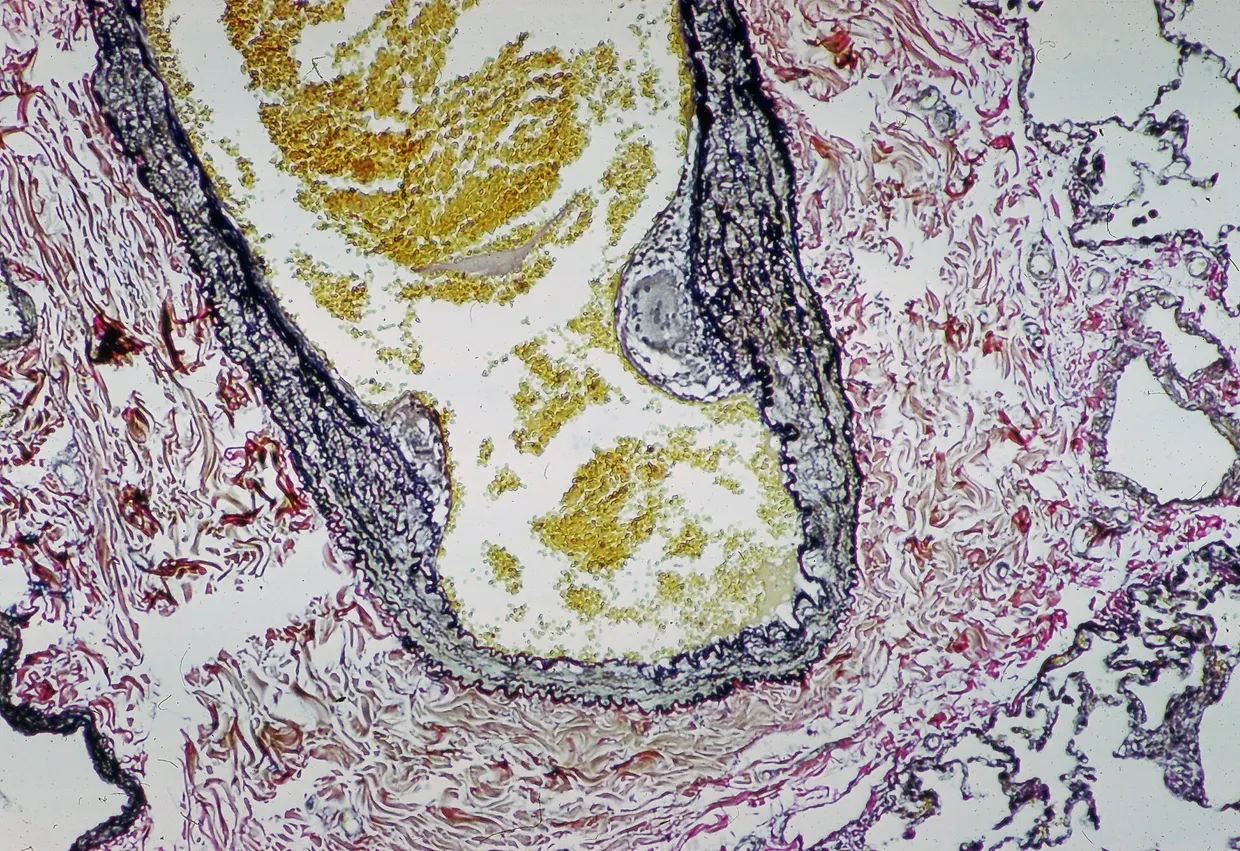
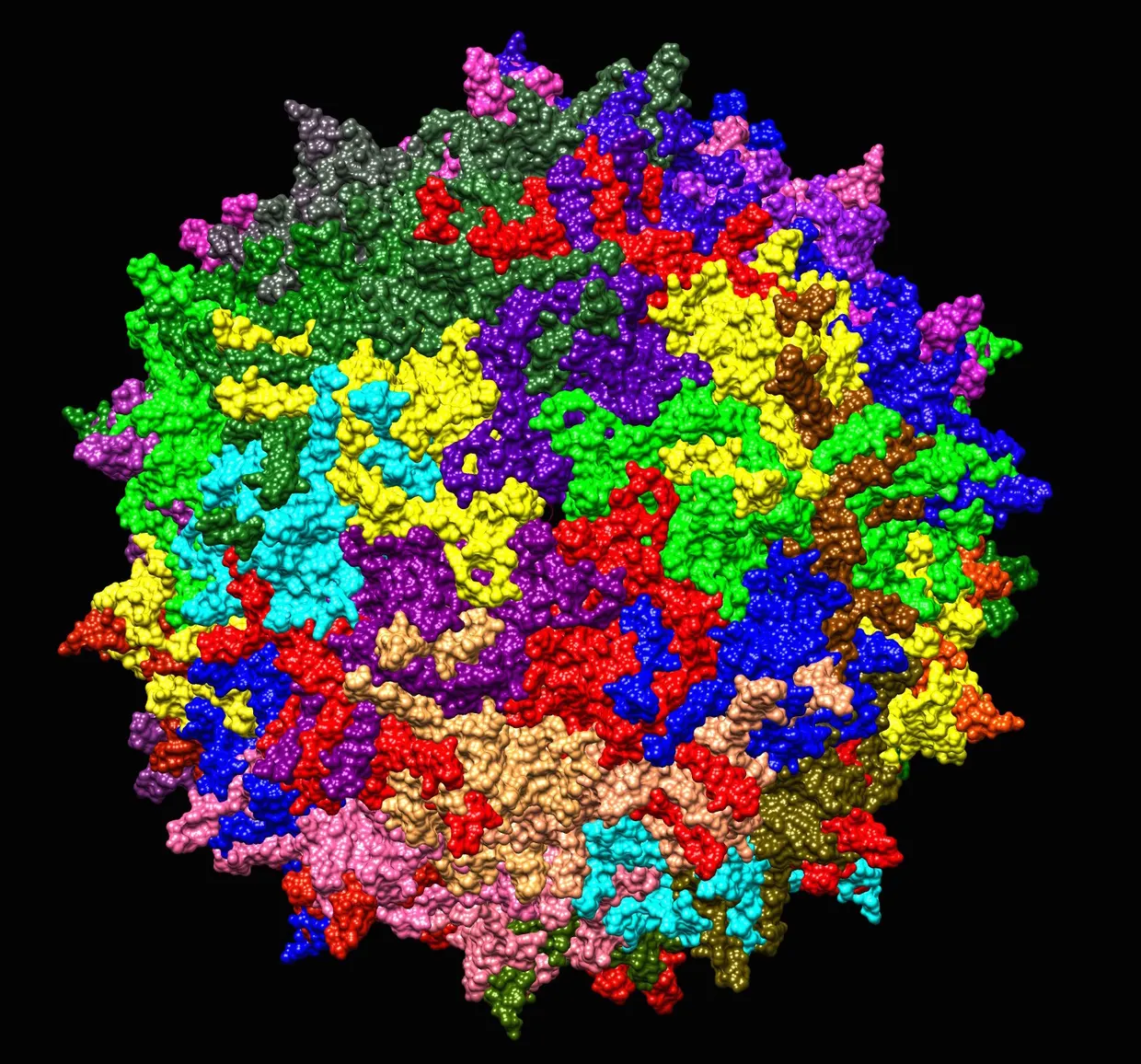
A study in Nature Communications reports multi-microsecond all-atom simulations of a representative elastomeric region of human tropoelastin, the monomeric precursor of elastin. The authors quantified protein conformational entropy, hydration-water entropy, and protein- and water-mediated interaction enthalpies during stretching. According to them, hydration water provides the dominant unfavorable entropic contribution nature.com
Nature Communicationsnature.comOpen source ↗. The results come from simulations of one region, not from measurements on tissue.
A fifty-year dispute over elastin recoil
Elastin gives arteries, skin and lungs their elasticity. It is a long-lived extracellular matrix protein that withstands billions of extension and contraction cycles with minimal permanent deformation, and failure of these properties can lead to ventricular hypertrophy and stroke. Elastin is elastic when hydrated and brittle when dry, and thermoelastic measurements indicate that its recoil is largely entropically driven.
The disagreement concerns the source of that entropy. Rubber-like elasticity models attribute recoil to a loss of protein conformational entropy on extension. Hydrophobic-hydration models attribute it to a loss of water entropy, as stretching exposes hydrophobic surfaces that order the surrounding water. The debate has lasted more than 50 years.
What the simulations show
In the simulations, protein conformational entropy decreases only modestly overall. Local responses are heterogeneous and depend on secondary structure and sequence context nature.com
Nature Communicationsnature.comOpen source ↗.
Hydration water behaves differently. Stretching recruits many water molecules from the bulk into a persistently low-entropy first hydration layer, and this gives the dominant unfavorable entropic contribution.
The enthalpy changes work in the opposite direction. Stretching disrupts favorable intra-protein interactions and strengthens protein–water interactions. These opposing enthalpic contributions largely compensate the entropic penalty.
The authors conclude that the results support a hydration-coupled thermodynamic mechanism. In it, water is the dominant entropic contributor to elastin recoil, within a strongly compensating enthalpy–entropy balance nature.com
Nature Communicationsnature.comOpen source ↗.