Georgetown and UPenn identify rapid FOXO1 epithelial barrier mechanism in mice
Researchers revealed that FOXO1 triggers rapid epithelial barrier breakdown independent of transcription, confirmed in microfluidic chips and mice.
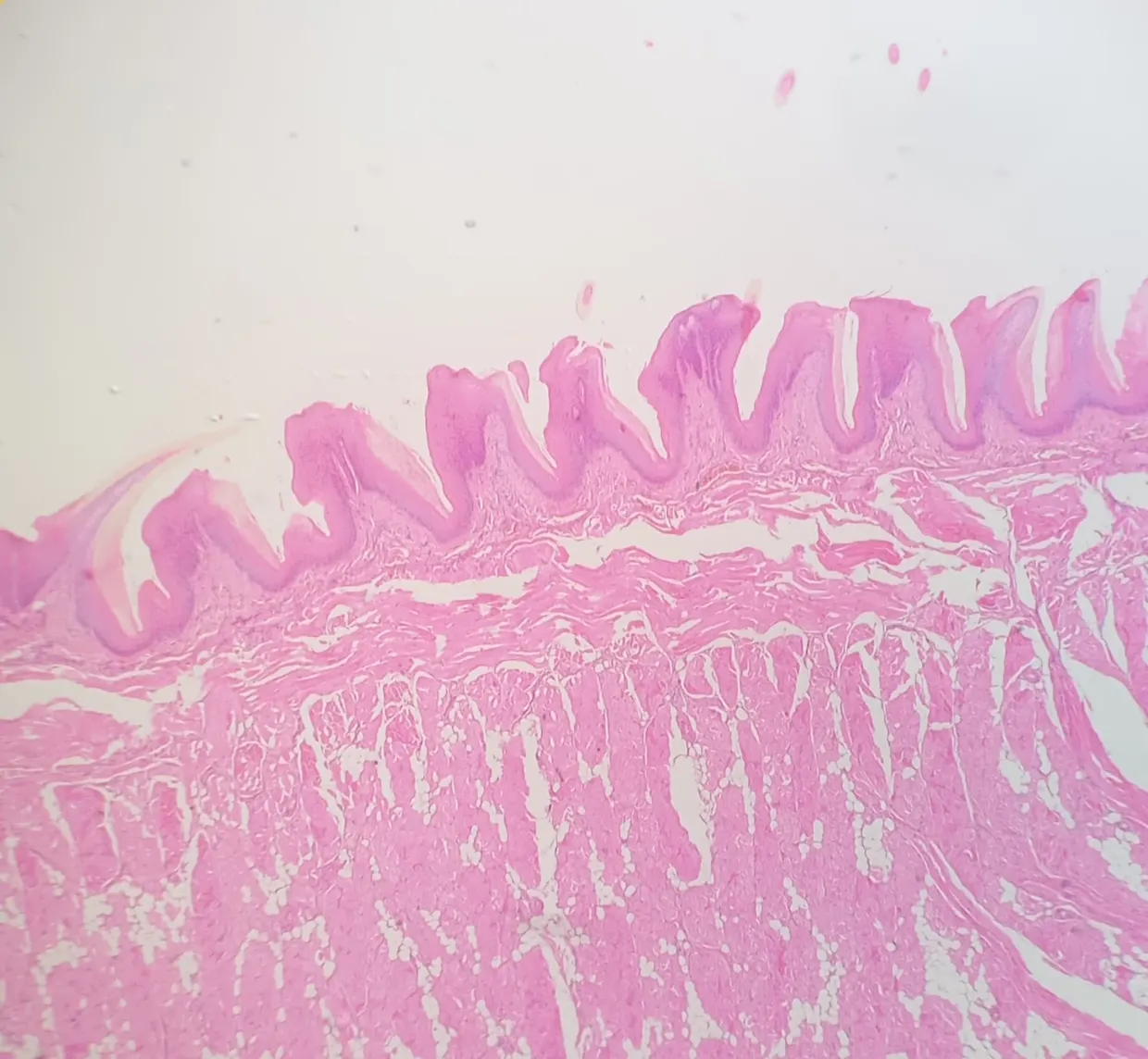
Biochemists from Georgetown University and the University of Pennsylvania uncovered a non-canonical pathway controlling epithelial integrity, publishing their results in Nature Communications. The epithelial barrier provides an essential defense against pathogenic invasion, a structure previously believed to deteriorate primarily via slow transcriptional alterations or proteolytic junction degradation. Experiments conducted across 3D microfluidic culture devices and in vivo mouse models demonstrated that exposure to bacteria or lipopolysaccharide causes rapid structural failure independent of gene transcription or proteolysis nature.com
Nature Communicationsnature.comOpen source ↗.
Molecular cascade and junction disruption
Upon bacterial challenge, the transcription factor FOXO1 rapidly translocates from the cytoplasm into the cell nucleus, prompting E-cadherin to detach from the membrane and shift into the cytoplasm. Concurrently, pathogen exposure amplifies the direct physical binding between FOXO1 and β-catenin while driving enhanced phosphorylation of β-catenin at the Tyr654 residue. This phosphorylation event triggers the immediate disassembly of the protective β-catenin–E-cadherin mechanical complex, leading to acute epithelial leakiness.
Genetic rescue and barrier maintenance
Tests confirmed that artificially enforced nuclear localization of FOXO1 is sufficient to drive junction breakdown and recreate bacterial disruption in the absence of pathogens. Conversely, keeping FOXO1 trapped in the cytoplasm or utilizing epithelial-specific Foxo1 gene deletion fully prevented barrier disruption in mice subjected to bacterial exposure. The findings delineate a rapid-response spatiotemporal FOXO1–β-catenin–E-cadherin axis regulating tissue boundary maintenance.