PLoS Genetics: Retinal Vessel Architecture Linked to 119 Genetic Loci and Blood Pressure
Analysis of 52,798 participant profiles mapped retinal vascular traits to specific genetic variants and indicated a directional link to diastolic pressure.
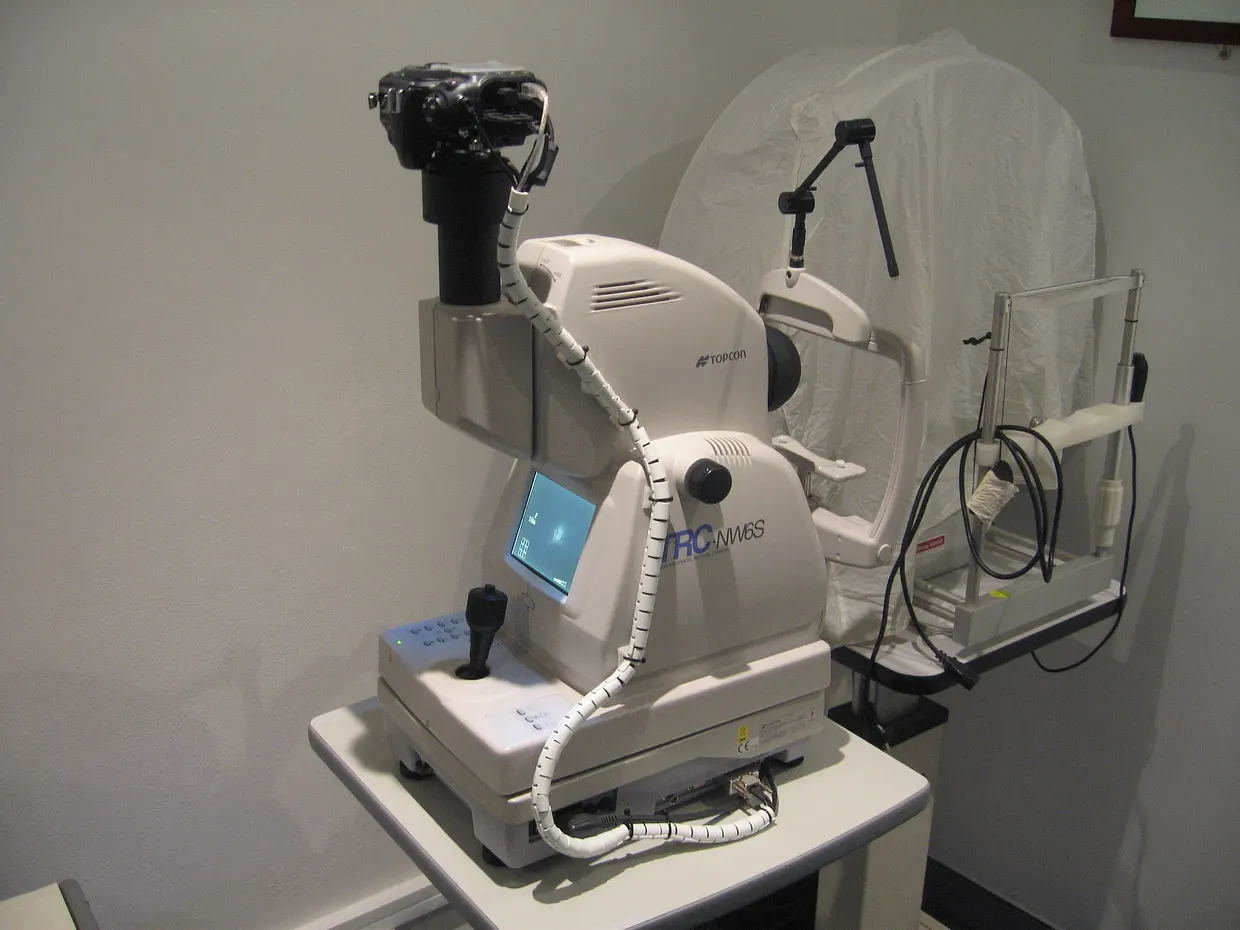
A collaborative study by researchers from St George's, University of London, University College London, and King's College London examined retinal fundus imagery and genomic data from 52,798 UK Biobank participants of European ancestry. The findings, published in PLoS Genetics, mapped structural traits of retinal microvasculature to inherited variation across the human genome plos.org
PLoS Geneticsplos.orgOpen source ↗. Measurements were captured via automated imaging pipelines that differentiated arterioles from venules while quantifying luminal width and geometric curvature.
Genetic Mapping of Retinal Phenotypes
The genome-wide association framework identified 119 distinct genomic regions correlated with parameters of the ocular vascular bed. Among these signals, 89 loci demonstrated association with arteriolar tortuosity, showing the strongest statistical peak at variant rs35131825 (p = 2.00×10-108). Arteriolar width associated with 2 genomic loci, marked by lead variants rs12969347 (p = 3.30×10-09) and rs5442 (p = 1.9E-15). Venular morphology revealed 17 loci linked to tortuosity and 11 novel loci tied directly to venular width.
Hemodynamic and Clinical Implications
Retinal microvessels provide non-invasive observational access to the circulatory network. Beyond mapping structural loci, the investigators applied causal inference techniques to determine directional associations between systemic circulatory parameters and vascular geometry. The analysis indicated that biological factors underlying increased arteriolar tortuosity drive elevations in diastolic blood pressure, rather than elevated pressure inducing tortuosity in the observed vessels.
The authors noted that the primary cohort comprised individuals of European ancestry, requiring evaluation across broader demographic groups to assess generalizability plos.org
PLoS Geneticsplos.orgOpen source ↗. While these genetic associations characterize shared mechanisms between microvascular morphology and systemic physiology, the findings do not establish a standalone diagnostic test for cardiovascular disease or substitute for standard blood pressure measurements.