Electrolyte-dependent degradation pathways identified in lithium-ion batteries
Research reveals how electrolyte conditions influence degradation trajectories in lithium-ion batteries, impacting their lifetime and performance.
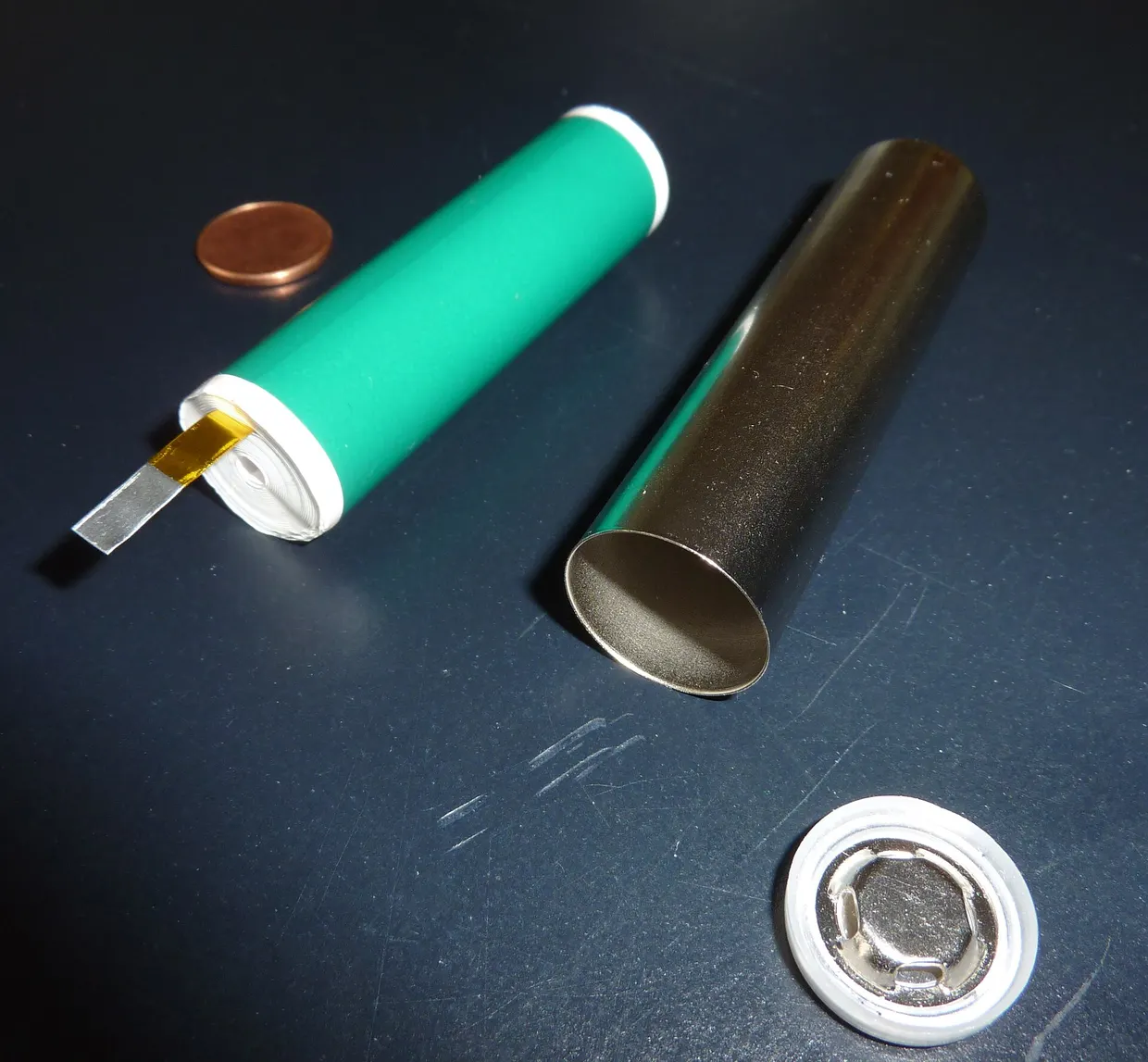
Electrolyte-dependent lifetime variability poses significant challenges for the sustainable deployment of lithium-ion batteries, leading to premature retirement and increased material demand. A study published in Nature Communications investigates how variations in electrolyte conditions affect degradation pathways under accelerated degradation scenarios.
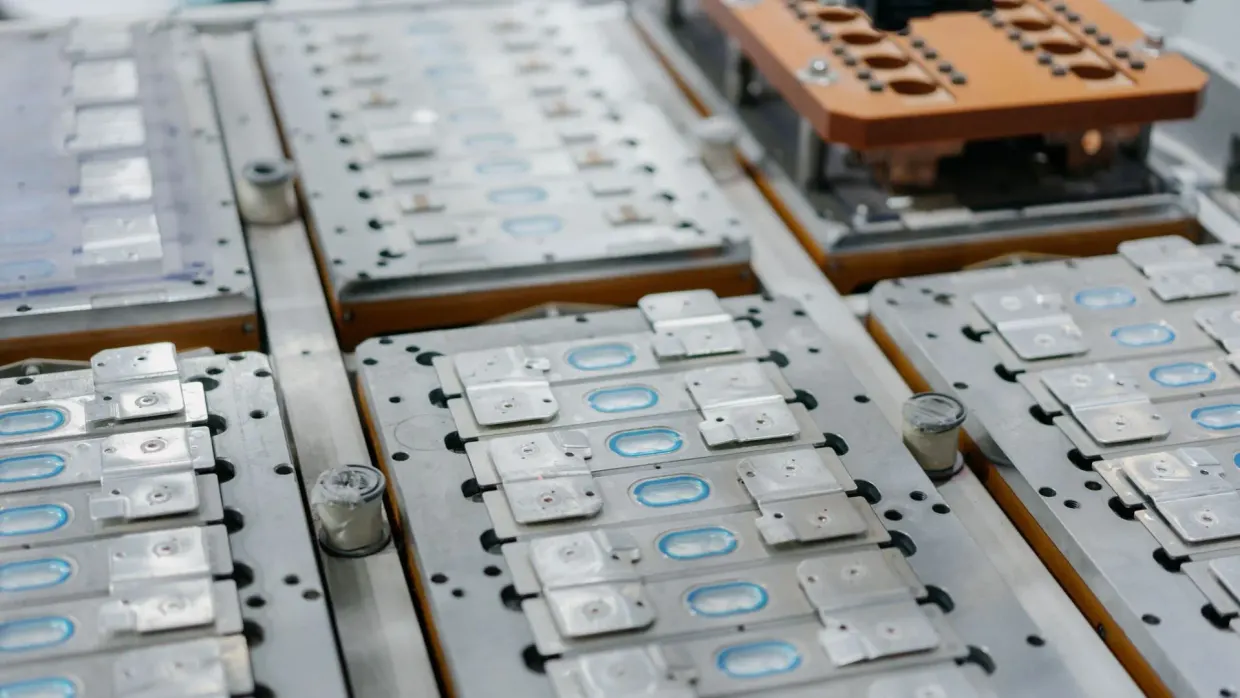
Using customized multi-layer pouch cells, the researchers varied the ethylene carbonate to dimethyl carbonate ratio, lithium hexafluorophosphate concentration, and electrolyte amount. They found that changes in solvent ratios resulted in distinct lifetime trajectories across otherwise comparable cells. Electrochemical diagnostics, gas analysis, and post-mortem interfacial characterization indicated that these differences are linked to electrolyte-sensitive interphase growth, parasitic reactions, and spatially heterogeneous surface degradation.
Electrolyte Conditions and Degradation
The study incorporates electrolyte-dependent transport and thermodynamic properties into a physics-based degradation model. A transport-only approach failed to replicate the observed separation in capacity-retention trajectories. However, introducing a minimal electrolyte-sensitive refinement through an effective interphase transport parameter improved the model's accuracy, particularly in cases rich in ethylene carbonate. These findings highlight the importance of considering electrolyte-sensitive interfacial degradation for reliable lifetime predictions in lithium-ion batteries.
This research underscores the need for advanced modeling approaches that account for the complex interactions at the electrolyte interface, which are crucial for enhancing the performance and longevity of lithium-ion batteries.