New Protocol Enables RNA Detection from Whole Blood Without Lab Equipment
Researchers developed a method for detecting RNA viruses like Zika and hepatitis C directly from whole blood, enhancing accessibility for urgent care.
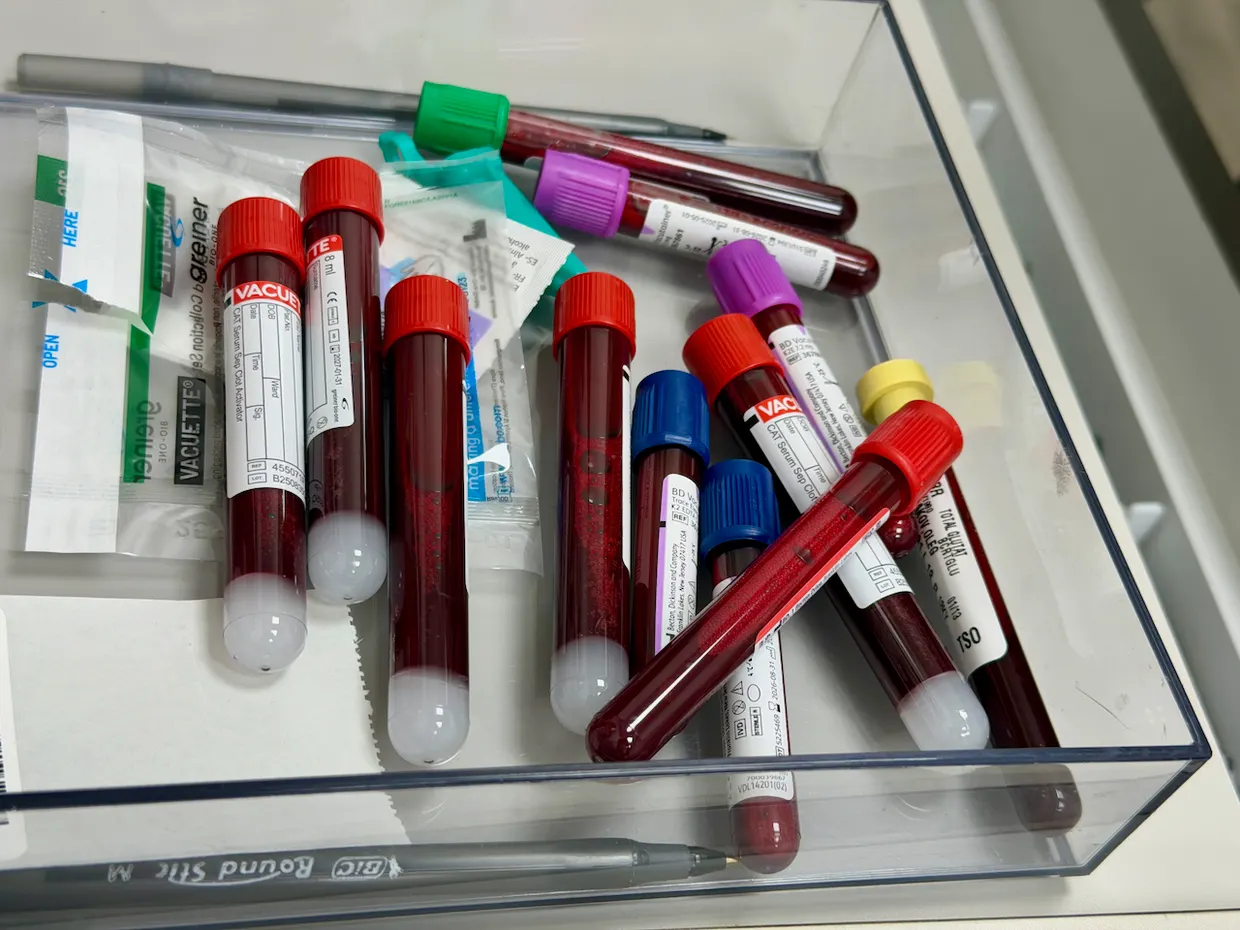
A team from the University of Illinois Urbana-Champaign has introduced a novel protocol for detecting RNA viruses directly from whole blood without the need for laboratory purification. This method, reported in Science Advances, utilizes a blood drying technique that allows for sensitive RNA detection, achieving a sensitivity of 10 copies per microliter for Zika virus and 1 international unit per microliter for hepatitis C virus (HCV). The protocol can be scaled for larger blood volumes and maintains single-copy sensitivity without sample loss.
Blood Drying Protocol
The innovative approach combines thermal treatments with a primer-limited reverse transcription step, stabilizing RNA within a dried blood matrix. This enables spatially resolved enzymatic amplification, supporting multiplexed detection from a single sample. The system allows for simultaneous identification of multiple targets, making it a significant advancement in point-of-care diagnostics. The researchers also demonstrated the detection of Zika and HCV using a portable fluorometer, making it feasible for use in low-resource settings.
Accessibility in Diagnostics
The protocol requires minimal instrumentation, including a portable heater and a handheld reader, facilitating robust, reusable diagnostics in urgent care scenarios. This development aims to overcome the limitations of traditional medical infrastructure, which often relies on centralized laboratory testing that can delay diagnosis and treatment, particularly in low-income regions. By shifting the testing process to the point of care, this method promises to enhance the speed and efficiency of RNA virus detection, potentially improving outcomes for diseases where early detection is crucial.