Care for an older infant linked to more miscarriages in mandrills in Gabon, 11-year study
Researchers analysed 356 pregnancies, including 52 miscarriages, in a group of about 300 mandrills in Gabon observed for 11 years, and compared reproductive success.
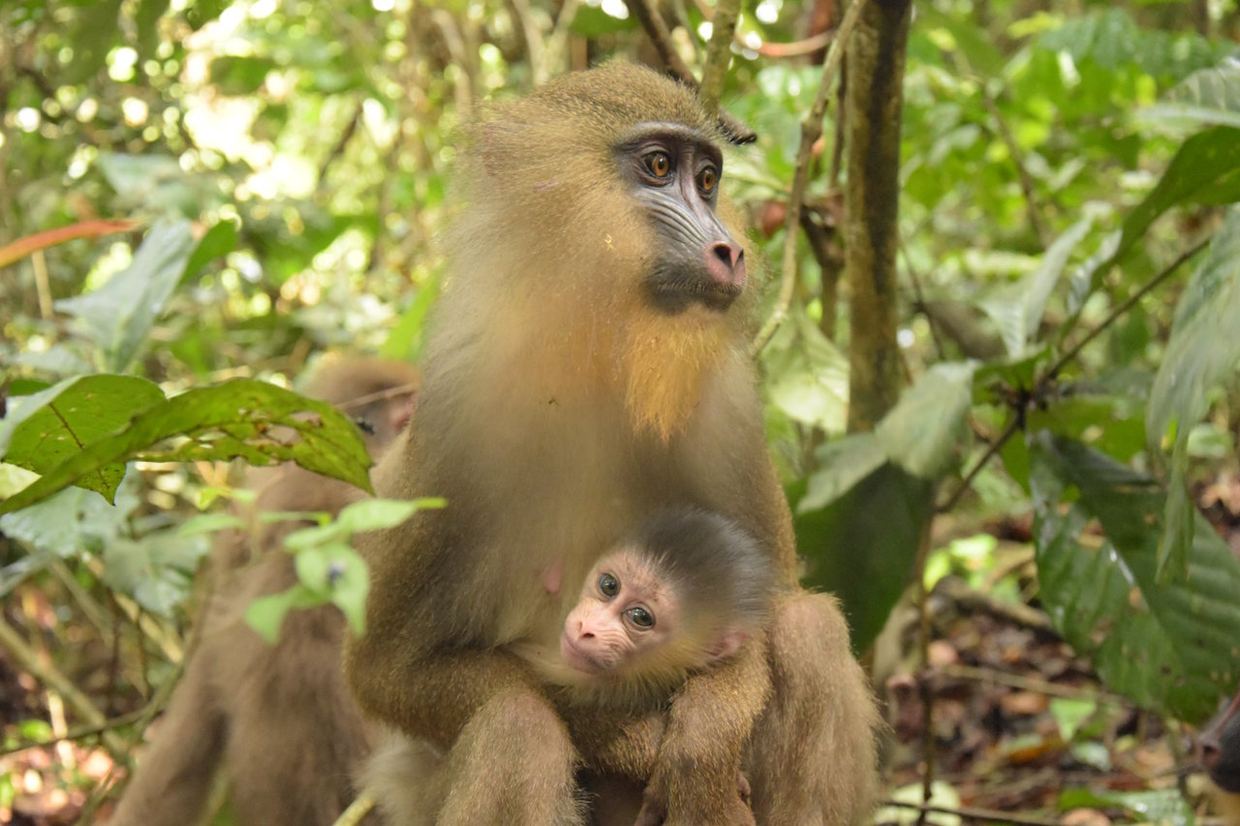
Researchers observed a group of about 300 common mandrills (Mandrillus sphinx) in Gabon for 11 years. The work was published in PLOS Biology, according to Наука.ua. The probability of miscarriage in females was higher if they cared for a previous, still dependent infant during pregnancy nauka.ua
Наука.uanauka.uaOpen source ↗. It was especially high in mothers whose infants more often had "tantrums", spontaneous outbursts of negative emotion expressed as stress screams or moans
nauka.ua
Наука.uanauka.uaOpen source ↗.
Study design and data
Mandrills usually mate twice a year, but conception in females mostly occurs after skipping one reproductive cycle. Some females, mainly those of high status in the group, can conceive in two consecutive seasons, that is, while still caring for a dependent infant. To test how this choice affects reproductive success, the researchers analysed data on 356 pregnancies in the group, including 52 miscarriages nauka.ua
Наука.uanauka.uaOpen source ↗. For each mother they estimated the number of infants born, the frequency of pregnancies and reproductive success, defined as the number of infants that survived to independence
nauka.ua
Наука.uanauka.uaOpen source ↗.
Miscarriage as a trade-off
The probability of miscarriage was also higher when the dominant male in the group changed. This may be an adaptation to the higher risk of infanticide after such a change of power, or a consequence of the stress experienced during it nauka.ua
Наука.uanauka.uaOpen source ↗. Mothers who were pregnant and also had a dependent infant more often ignored the older infant's needs or showed aggression toward it, although aggression was rare overall. This probably indicates a trade-off in favour of the unborn infant and a decision to invest more resources in its development
nauka.ua
Наука.uanauka.uaOpen source ↗.
The link is most likely explained by a trade-off between the needs of infants already born and those yet to be born. For a mother's reproductive success it is more advantageous to invest in an infant that has survived birth and early age, when the risk of death is highest nauka.ua
Наука.uanauka.uaOpen source ↗.
Females that miscarried had higher reproductive success than females that carried a pregnancy to term but whose infants died at an early age nauka.ua
Наука.uanauka.uaOpen source ↗. Females compensated for the loss of an infant in the womb by becoming pregnant again sooner than females whose infants did not survive to independence. Over a lifetime, reproductive success was approximately the same in females that had experienced a miscarriage and in those that had not
nauka.ua
Наука.uanauka.uaOpen source ↗.