Flounders in Finland's Lake Pulmanki complete their life cycle in freshwater, study finds
Most flounders sampled in Lake Pulmanki hatched in freshwater and stayed there, the first evidence of this group completing its life cycle without the sea.
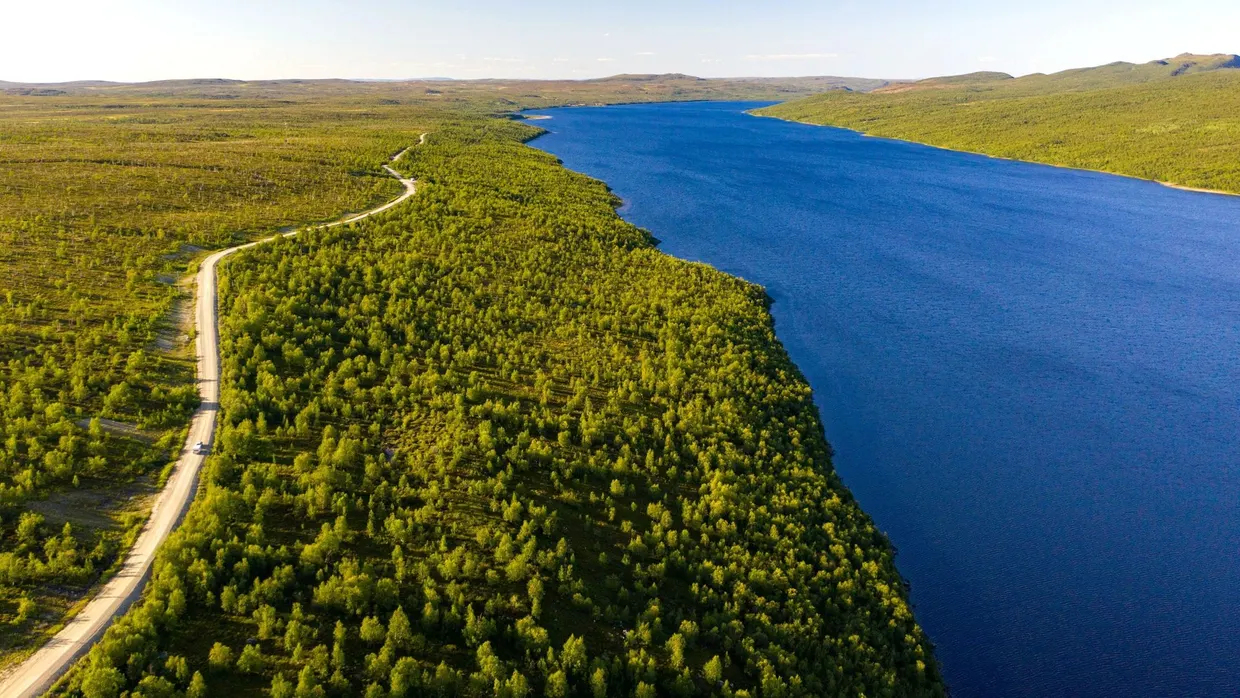
Most European flounders sampled in Lake Pulmanki, in the far north of Finland, hatched in freshwater and spent their whole lives there, Earth.com reports. earth.com
Earth.comearth.comOpen source ↗ Biologists had long assumed that these fish enter river mouths to feed and return to the sea or to partly salty water to spawn. The new work is the first evidence that flounders of this group can complete their life cycle without the sea.
The lake was once a fjord, an arm of the Arctic Ocean, and became freshwater after the last ice age. Today about 37 miles (60 km) of river separate it from the sea. Flounders were first recorded there in the 1970s, and researchers could not say why.
How the birthplace was determined
The study began as the graduate thesis of Thais Ferreira-Araújo at the University of Helsinki. It grew into a project with co-authors in Finland, Italy, Hong Kong, Portugal and Australia and was published in September in the journal Evolution.
The team first examined otoliths, small bony structures in the inner ear whose chemistry records the waters a fish has lived in. They paired this with DNA, reading the full genomes of flounders from the lake and several sea sites and looking for stretches that matched each fish's use of fresh and salt water. earth.com
Earth.comearth.comOpen source ↗
Most lake flounders had lived only in freshwater. The rest had spent part of their lives in salt or brackish water, so fish with different life histories share one lake. In nearby fjords, most sampled flounders were also born in freshwater, a result the authors did not expect.
Genes and the open question
Across the genome as a whole, flounders born in freshwater and those born at sea differed only slightly. However, 77 small DNA differences were linked to how a fish had used fresh and salt water. They were scattered over 18 chromosomes and tied to 36 genes.
The same fish tended to carry several of these differences at once, despite their location on separate chromosomes. The researchers suggested that natural selection favored certain gene combinations, so living in freshwater from birth probably requires many genes working together rather than a single change. earth.com
Earth.comearth.comOpen source ↗ The lake's flounders remain genetically similar to their sea relatives, which lets researchers look for the traits and genes tied to the move into freshwater.
How these fish spawn in the lake is still unknown. Salinity affects sperm motility and how eggs develop and stay suspended in water, said Paolo Momigliano of the University of Tuscia, who helped supervise the thesis. Juha Merilä of the University of Hong Kong said the next question is how they reproduce successfully under conditions that prevent European flounder from doing so in the rest of its range. Answering it will require studying how their sperm and eggs behave in freshwater.