TORSA's CMS collision-prevention system passes TRL4 tests at University of Pretoria for open-pit mining
Tests under ISO/TS 21815-2:2021 covered six blocks, and TORSA reports all were passed. Validation in real operation at TRL7 and TRL9 is still ahead.
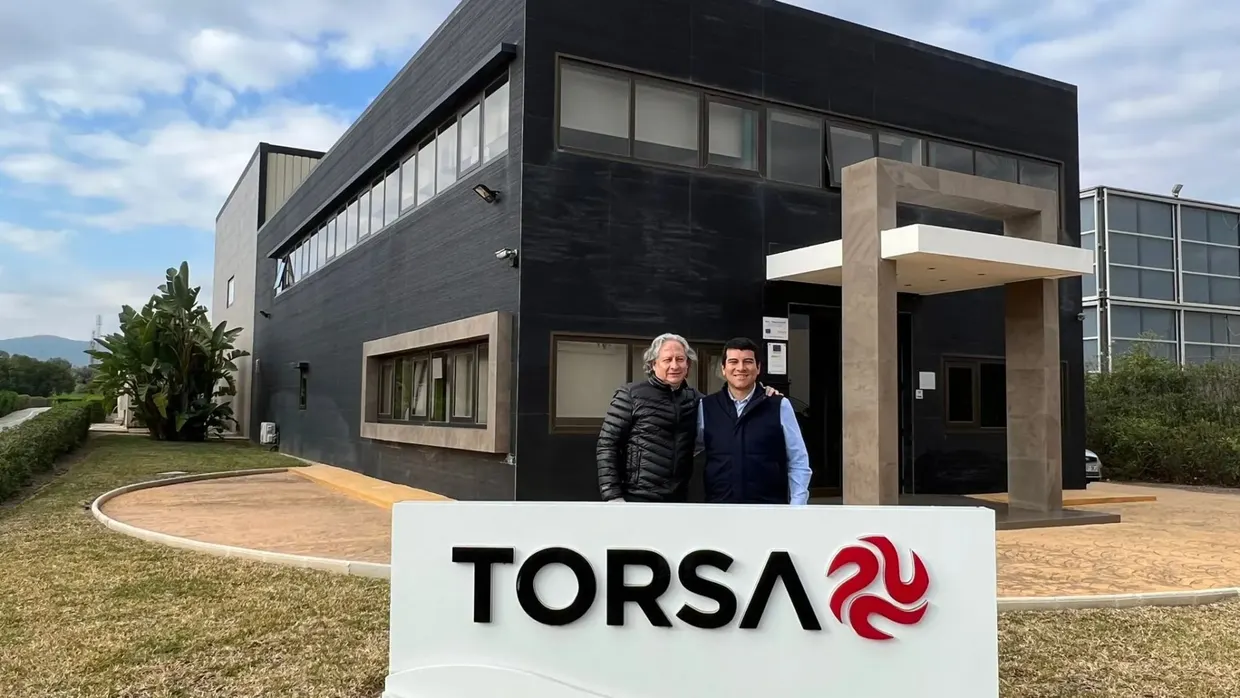
Spanish company TORSA passed TRL4 tests for collision warning and prevention systems in open-pit mining in May 2026. The tests were carried out by the University of Pretoria in South Africa, according to redimin.cl redimin.cl
redimin.clredimin.clOpen source ↗. The company states that its CMS is the second solution in the world to pass this stage of evaluation.
The tests followed ISO/TS 21815-2:2021 and criteria published by MOSH, an occupational safety and health initiative of the mining industry. TORSA says its solution passed all trials in the evaluated blocks; the available information gives no scores or numerical performance margins.
Test scope and procedure
The process begins with simulations to verify compliance with the ISO specification, followed by field tests with vehicles and operating situations. The review covered six blocks: interface, system logging, self-diagnostics, detection, warning and controller. According to the company, each critical subsystem was validated independently, rather than the CMS being evaluated as a closed box. TORSA notes that even deviations in response times can be penalised.
In the field, the trials included parking maneuvers with up to six vehicles around, driving in zones with a speed limit of up to 40 km/h, and preventing entry into restricted areas. They also covered straight and curved crossings and intersections where the system had to recognise priority as other vehicles approached redimin.cl
redimin.clredimin.clOpen source ↗. The task was to avoid both collisions and unnecessary alerts that could distract the operator.
Challenges and next stages
TORSA names two main challenges. The first was detecting moving and static objects accurately under varied circumstances and environmental conditions; the company says it combined sensor technologies, including high-precision GPS. The second was defining how braking should intervene: it had to protect the operator while avoiding damage or excessive wear to components such as suspension, brakes and tyres.
The available material does not publish detection ranges, error rates, response times, wear measurements or cost comparisons. It also contains no safety or productivity data from a mine in operation.
TRL4 is a technical validation stage and does not demonstrate sustained performance in a real mining operation. TORSA says its next steps are TRL7 and TRL9 tests, to evaluate the technology in operating conditions and demonstrate its performance in the field redimin.cl
redimin.clredimin.clOpen source ↗.