Battery-free wearable neuroprosthesis raised walking distance by 67.3% in stroke survivors with foot drop
An experimental wearable device powered by steps of the unaffected leg stimulated the paretic ankle in stroke survivors, improving dorsiflexion and outdoor walking.
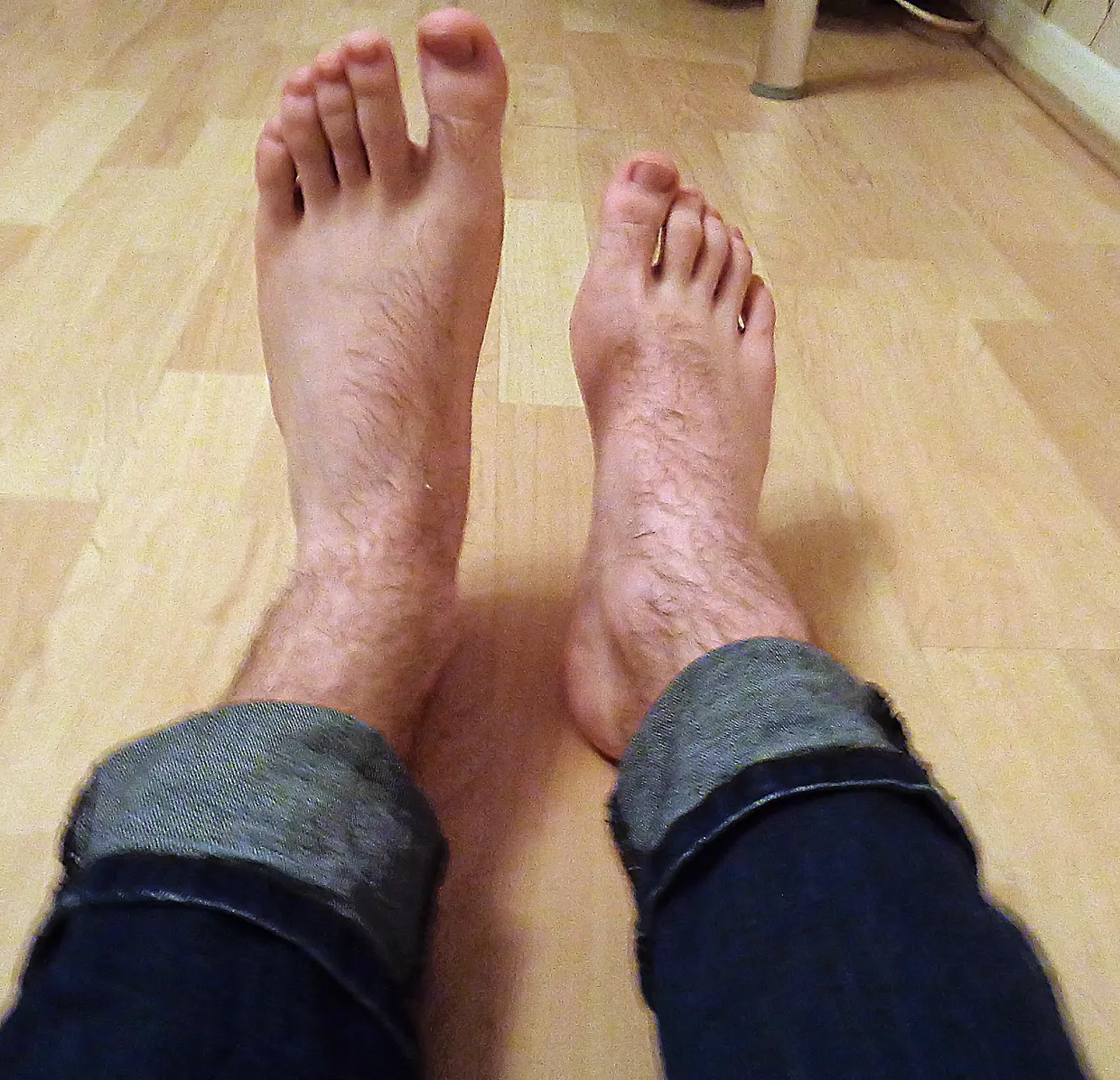
Pan et al. report in Nature Communications a wearable self-powered neuroprosthesis (SPN) for foot drop, a common gait impairment after stroke that reduces toe clearance and walking safety nature.com
Nature Communicationsnature.comOpen source ↗. The device takes mechanical energy from the non-paretic leg and uses it to stimulate the paretic leg, so it needs no external battery and no manual parameter tuning.
In ambulatory stroke survivors, assistance during outdoor walking gave an immediate effect. Ankle dorsiflexion angle improved from −1.1° to 6.8°, walking distance increased by 67.3%, walking speed by 43.5%, and gait variability decreased by 71.9%. These values were obtained with the device in use, not after a course of training.
How the device works
The SPN uses the out-of-phase mechanics of walking. During stance on the non-paretic limb, a harvester converts the load into electricity. During swing on the paretic limb, that energy is delivered as stimulation of the tibialis anterior, which raises the foot when clearance is needed.
According to the publication's description, the system weighs 132 grams in total. The 56-gram harvester sits in a hollow heel of the non-paretic shoe, and a 76-gram controller is strapped below the knee of the paretic leg. Net electrical power ranged from 0.16 to 1.2 W depending on cadence and load, and the energy is buffered in a 22-millifarad supercapacitor bank.
Stimulation was biphasic, at 35 Hz with a 300-microsecond pulse and a voltage cap of 240 V. Current was set with a three-level intensity selector during fitting.
Participants and measurements
The participants had preserved walking capacity, foot drop and lower-limb impairment: Fugl-Meyer lower-extremity score 13–27 out of 34 and Modified Ashworth Scale for the ankle plantarflexors 0–2 nature.com
Nature Communicationsnature.comOpen source ↗.
In a treadmill validation, eight people with chronic hemiparesis walked at 0.2–0.8 m/s with and without assistance. Seven were included in the biomechanical analysis after one hardware malfunction. With assistance, tibialis anterior activity in terminal swing rose by 147.8%, and peak dorsiflexion angle before initial contact improved by 85.9%.
The authors state that the results show the potential of the SPN to restore dorsiflexion and improve mobility, particularly for people at later stages of life. The data come from a study of the experimental device in stroke survivors.