Lab photocatalyst with citric acid leaches over 85% of metals from spent Li-ion battery cathodes
Under simulated sunlight, a reusable photocatalyst with citric acid leached over 85% of each metal from a mixed NCM/NCA cathode powder. The work is lab-scale, with modeled economics.
Researchers have described a solar-spectrum-driven photocatalytic system for recovering critical metals from spent lithium-ion battery cathodes, according to azom.com. The system was tested under simulated sunlight and combines citric acid, a mild organic acid, with a reusable photocatalyst (r-PC). The results appear in Nature Communications as an unedited version of an accepted paper. azom.com
azom.comazom.comOpen source ↗
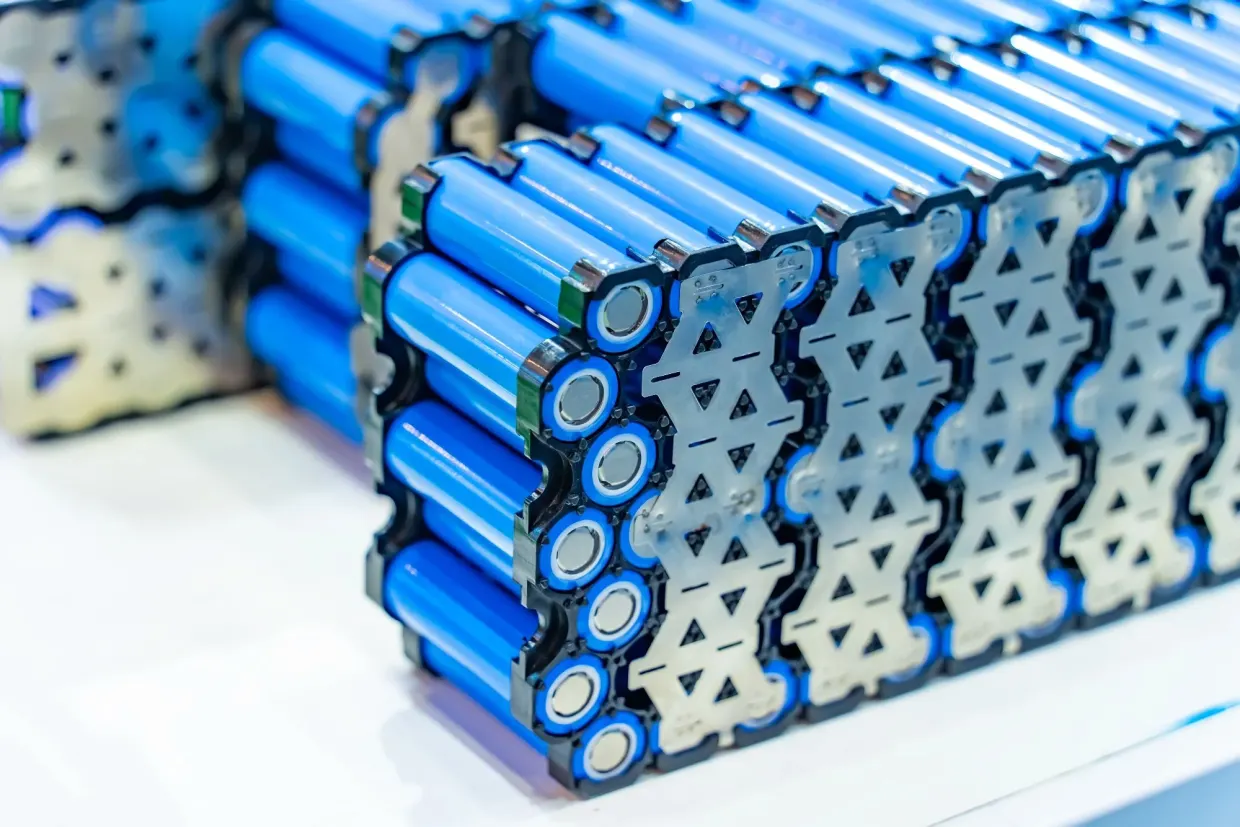
The motivation is scale: global production of lithium-ion batteries is expected to reach 2.4 TWh by 2030. Conventional recycling often needs high energy input and harsh chemicals.
Photocatalytic leaching of cathode metals
The r-PC was prepared from melamine and sodium hexafluoroantimonate precursors, followed by high-temperature nitrogen treatment. Cathode powders of LCO, NCM and NCA types were obtained by dismantling used batteries, discharging them and separating the powders physically. Leachates were analyzed by ICP-OES.
Under one-sun-equivalent illumination, leaching efficiencies were high for lithium, cobalt, nickel, manganese and aluminum across the tested cathodes. In a defined NCM:NCA mixture (78:12:10 wt.%), leaching exceeded 85% for all constituent metals without chemistry-specific presorting. Control runs without light or photocatalyst gave much lower efficiencies, and oxygen depletion also reduced performance. azom.com
azom.comazom.comOpen source ↗
Radical scavenger tests showed that photogenerated electrons helped convert Co³⁺ into the more soluble Co²⁺. Hydroxyl radicals cleaved metal-oxygen bonds in the cathode structure. Superoxide radicals contributed to reduction and to in situ hydrogen peroxide formation. EPR with DMPO and TEMPO confirmed superoxide formation and electron participation, and enzymatic assays showed continuous peroxide production without externally added peroxide.
Catalyst reuse and modeled economics
Protonation of the photocatalyst in citric acid improved its dispersion and activity and increased hydrogen peroxide generation. The recycled catalyst retained about 95% to 97% of its original leaching performance, and about 90% of the catalyst was recovered per cycle. The process model assumed replacement of the lost 10%.
For LCO, the shrinking core model identified the surface chemical reaction as the rate-determining step. The techno-economic analysis projected a positive net present value over 15 years. The process was cheaper than the peroxide-assisted organic-acid route but did not beat the inorganic-acid route on cost alone. azom.com
azom.comazom.comOpen source ↗
The life cycle assessment used the EverBatt 2023 model and lactic acid inventory data. It showed lower greenhouse gas emissions and energy use than the pyrometallurgical and hydrometallurgical cases used for comparison. The paper does not report pilot or commercial operation, and the modeled advantages still need validation at a larger scale.
Sources · 2
Found a mistake?Read also