Archaeologists find gold bear figurine from 4th–3rd century BC in Almaty, Kazakhstan
A small solid-gold bear, likely a headdress ornament of a Saka elite member, was excavated at the Karagaily kurgan cemetery; no similar object had been found in Kazakhstan before.
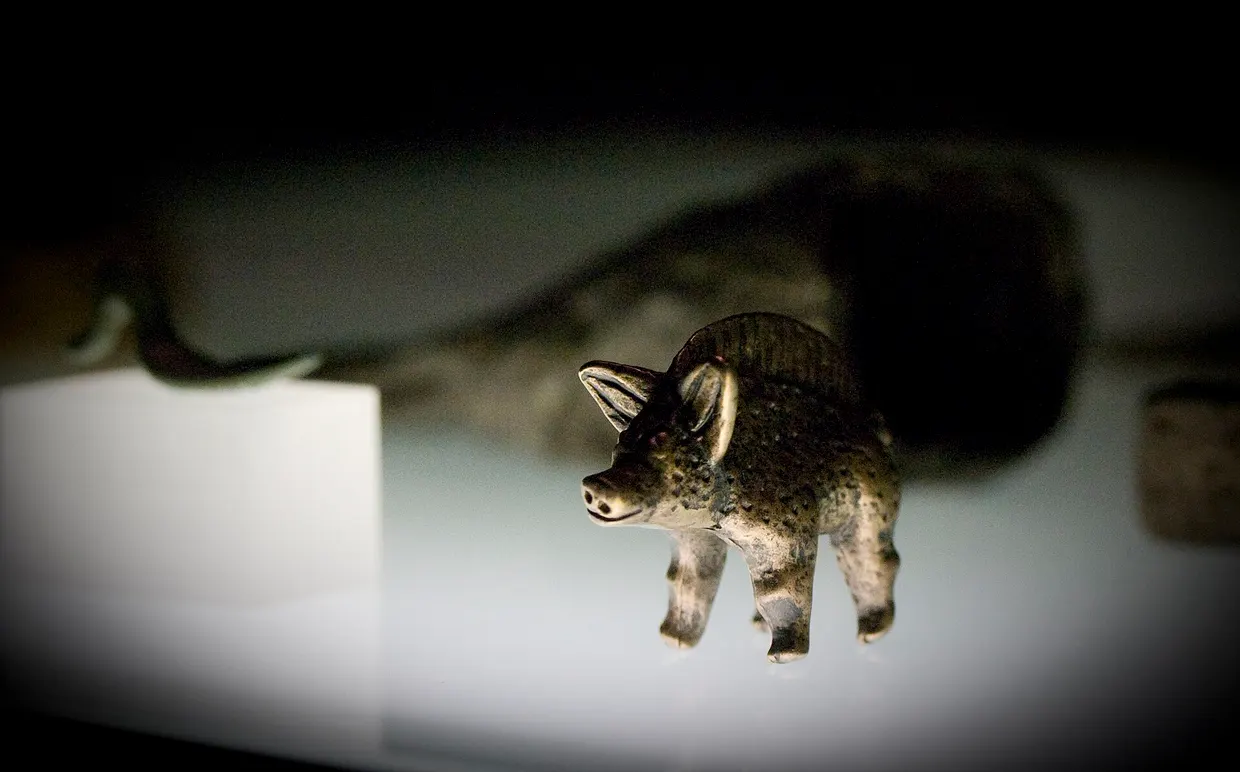
Archaeologists have found a small gold figurine of a bear in Almaty, the largest city in Kazakhstan. According to the Qazinform agency, reported on Thursday and relayed by Nauka w Polsce, the object probably decorated a ceremonial headdress of a member of the Saka elite, an ancient nomadic people naukawpolsce.pl
Nauka w Polscenaukawpolsce.plOpen source ↗. Researchers date the find to the 4th–3rd century BC. It was recovered during excavations at the Karagaily kurgan cemetery in the Nauryzbay district. The exact date of discovery was not given; the figurine was unearthed this year by the Almaty Museums Association with support from the city authorities.
The figurine and its context
The bear is made of solid gold. Small holes in the ornament indicate, according to the researchers, that it was sewn onto fabric and formed part of a headdress. Animal-shaped ornaments were typical of Saka clothing. A similar gold ibex ornament was found on the headdress of the Golden Man from the Issyk kurgan, and in 2014 a small leopard figurine, probably also a headdress decoration, was found at the Kok-Kainar cemetery. Lazzat Sagyndykova, director of the Almaty Museums Association, said the bear is unique in Kazakhstan, since no similar object had been found in the country before. She added that it allows study of cultural links across Eurasia, from the Black Sea coast to the Altai mountains.
The Karagaily kurgan
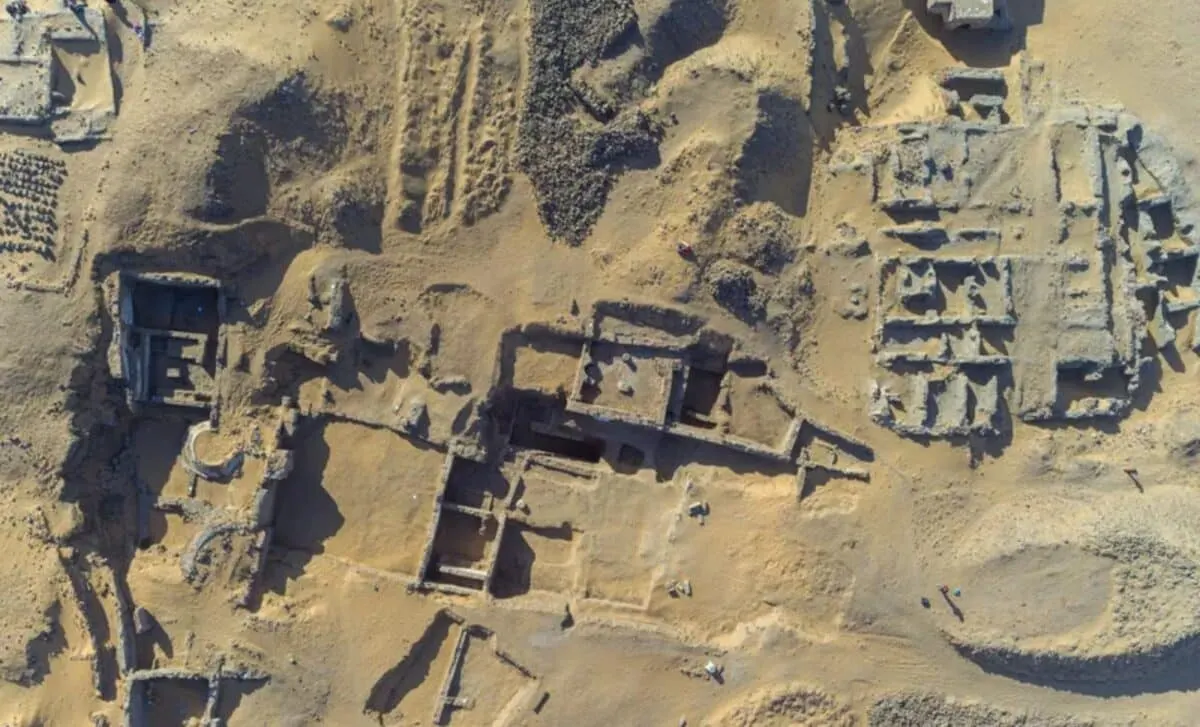
The mound is about 25–26 meters in diameter and 2.5 meters high. Besides the figurine, archaeologists found numerous human remains and pottery fragments. Preliminary findings suggest that four adults and three children were buried there, but the exact number has not yet been established. According to the researchers, the tomb was robbed in antiquity: it contains a looting shaft about three meters long, and some objects were scattered by the plundering. Association researcher Marat Nurpeisov pointed to the unusually large number of remains in a single kurgan. Collective burials are rare in Kazakhstan, and tombs of this size were usually meant for one or two people.
Anthropological analyses are planned to determine the number of people buried. After the work is finished, the most valuable items are to go on permanent display at the Almaty museum naukawpolsce.pl
Nauka w Polscenaukawpolsce.plOpen source ↗.
The Saka, also called Altai Scythians, were an Iranian-speaking people mentioned by ancient chroniclers such as Herodotus. In the first millennium BC they inhabited large areas of Central Asia. Their culture formed around the 7th century BC, and they left behind many objects made mainly of gold and bronze.