Chinese Academy of Sciences builds first single-cell heart atlas of a wild bird, the tree sparrow
Researchers compared over 200,000 sparrow heart cells with mouse and human data. Cardiomyocytes were the most conserved type, and IGF1R drove growth in cultured avian cells.
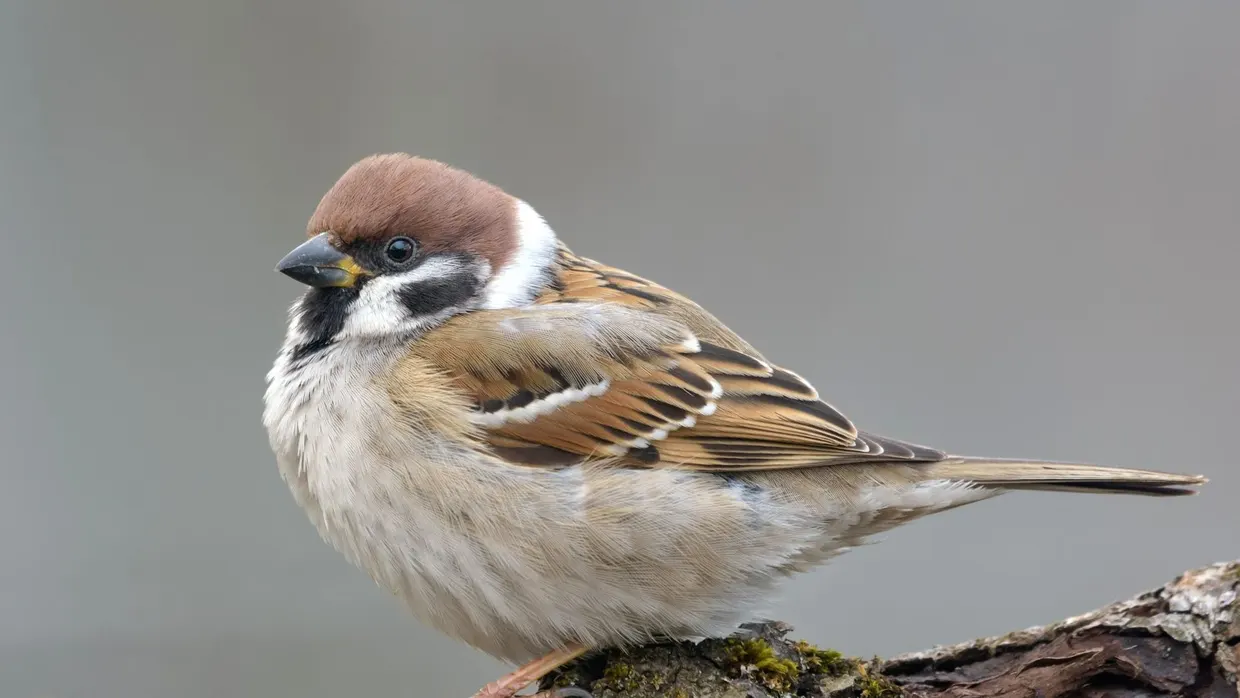
Researchers led by the Institute of Zoology at the Chinese Academy of Sciences have built the first single-cell heart atlas of a wild bird, the Eurasian tree sparrow (Passer montanus). The work, published in The Innovation Life, covers 168,634 neonatal cells and 33,694 adult nuclei, and the data were compared with existing human and mouse datasets doi.org
The Innovation Lifedoi.orgOpen source ↗.
The team, led by Yan Hao, Xiang Zhou and Qingshuo Zhao, sampled sparrows at two sites: Cangzhou at sea level (10 meters) and Gahai on the Tibetan Plateau (3,400 meters). Eleven major cardiac cell types were found, including cardiomyocytes, fibroblasts, endothelial cells, smooth muscle cells and immune cells.
Conserved cells and shifting proportions
Matching of sparrow cells to mouse and human cell types ranged from 86.7% to 99.5%. Cardiomyocytes were the most conserved type, with cross-species gene expression correlations of 0.57 to 0.62. Fibroblasts and endothelial cells were more species-specific: human-sparrow correlations were 0.23 to 0.24.
Cell proportions differed between life stages. Cardiomyocytes made up 22% of the neonatal sample and 11% of the adult one, while endothelial cells made up 13% and 31%. For genes linked to human cardiac pathologies, adult sparrow-human correlations (0.53 to 0.66) were comparable to mouse-human ones (0.52 to 0.72). The authors conclude that birds and mammals, which diverged about 300 million years ago, share a conserved cardiac cellular blueprint doi.org
The Innovation Lifedoi.orgOpen source ↗.
High-altitude hypoxia and IGF1R
In sparrows living at 3,400 meters, adult cardiomyocytes showed 191 differentially expressed genes, mostly related to cardiac muscle development. Neonatal cardiomyocytes showed 22, focused on energy metabolism, and only two genes overlapped. The altitude-related programs significantly overlapped with genes previously linked to cardiac remodeling and disease-related phenotypes in humans and mice.
One of these genes, IGF1R, was upregulated in high-elevation sparrow cardiomyocytes. In cultures of chicken cardiomyocytes, its overexpression made the cells significantly larger, raised the hypertrophy markers NPPA and ACTA1, and was accompanied by PI3K-AKT-mTOR-associated changes in gene activity, including higher BDNF, BCL2 and MYC.
The study has limitations. Neonatal and adult samples were sequenced with different technologies, which may introduce technical differences between life stages. The IGF1R experiments were performed in cell culture, not in living birds, so its role in high-altitude heart growth in vivo remains unconfirmed. Sparrow-human correlations were also somewhat weaker in neonatal hearts doi.org
The Innovation Lifedoi.orgOpen source ↗.