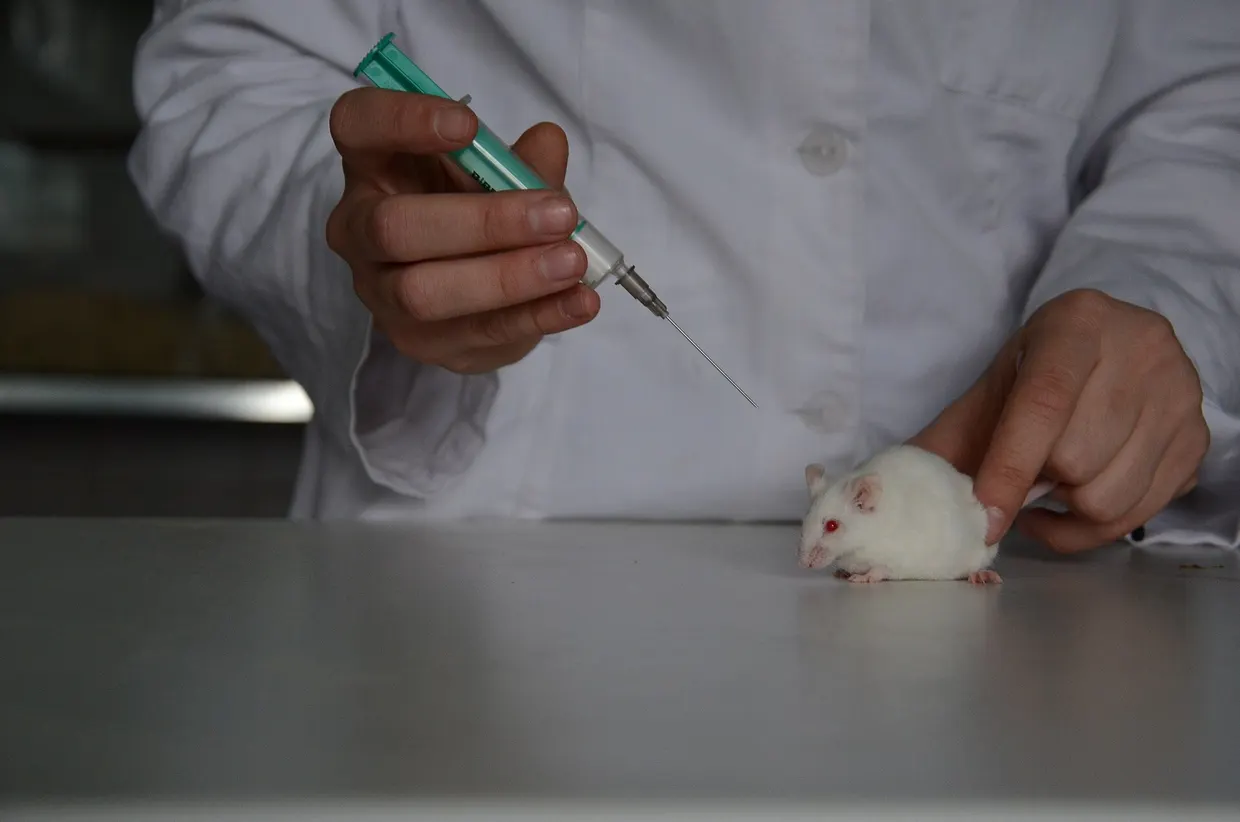
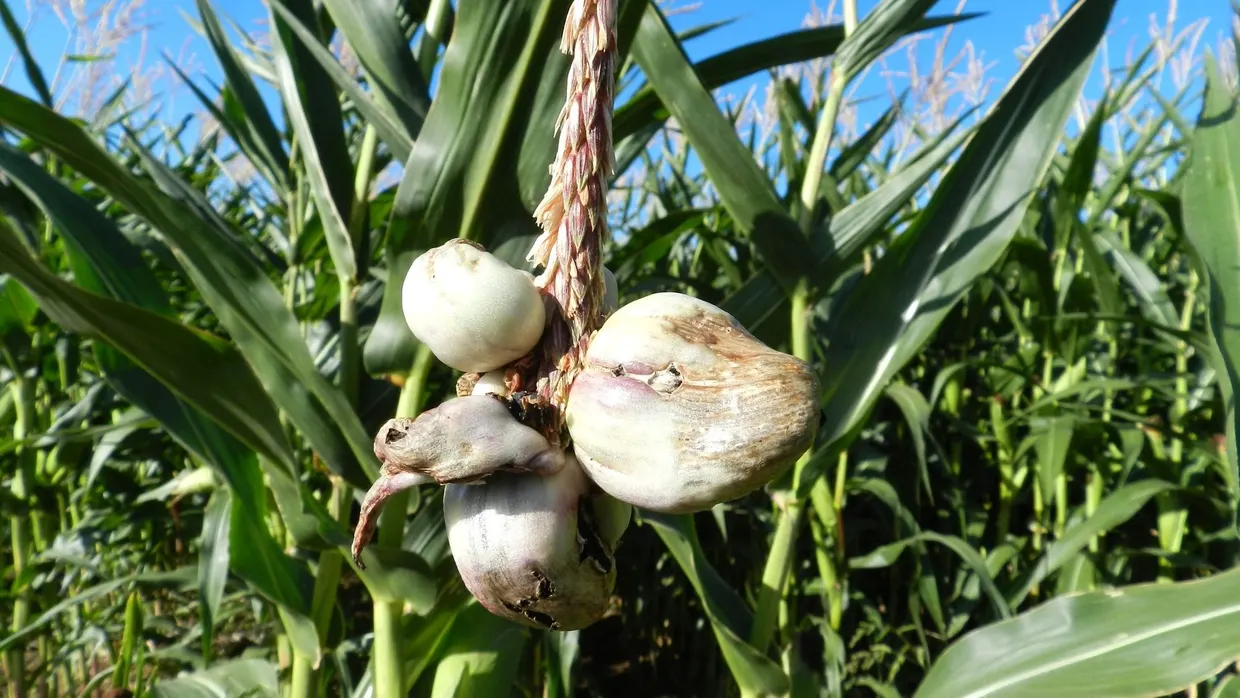
Tel Aviv University: stressed tomato and tobacco plants emit 30–50 ultrasonic pops per hour
Researchers recorded airborne ultrasonic sounds from dehydrated and cut plants. The sound pattern differs by type of stress, and a trained algorithm distinguished them.
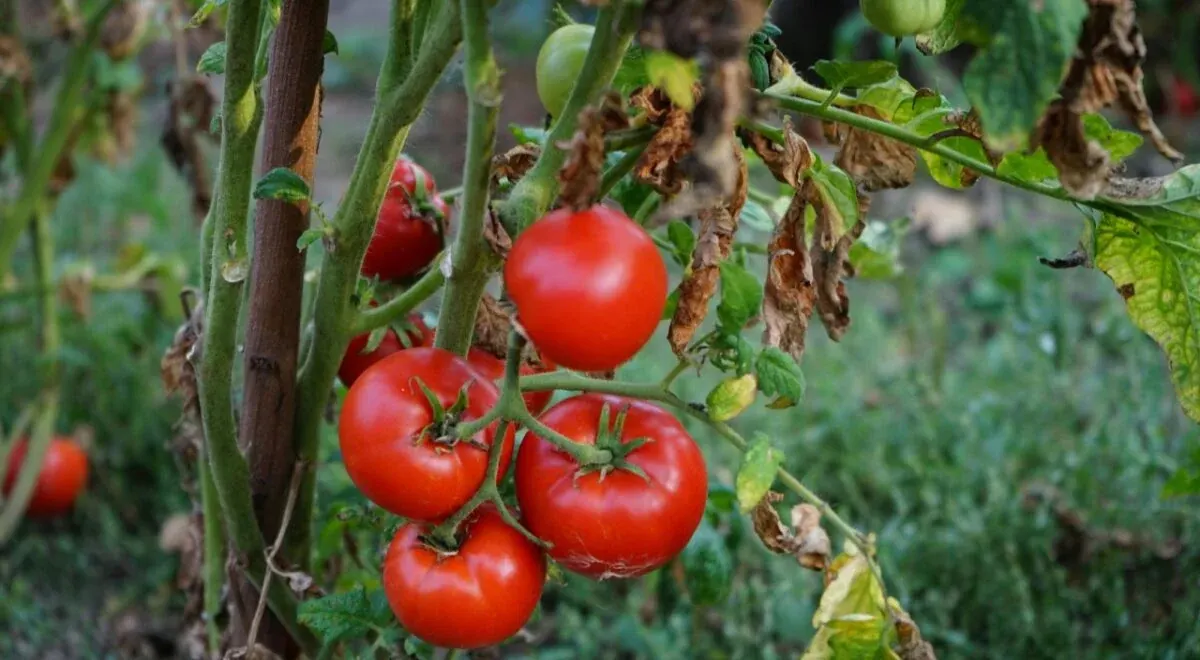
Researchers led by Professor Lilach Hadany at Tel Aviv University have recorded airborne sounds from plants under stress, according to nhm.ac.uk. Tomato and tobacco plants produced ultrasonic pops when they were deprived of water or had their stems cut nhm.ac.uk
nhm.ac.uknhm.ac.ukOpen source ↗.
The plants were recorded with microphones in a soundproof acoustic chamber and in a noisier greenhouse. Stress was applied in two ways: withholding water for several days and cutting the stem. The results were published in the journal Cell.
What the recordings showed
Stressed plants emitted 30–50 pops per hour, much more often than unstressed plants. The sounds were detected at distances of up to five metres, and the authors report that their volume is comparable to normal human conversation. The frequency is too high for human hearing; insects and other mammals can likely detect it, according to the study.
In water-stressed plants the pops became more frequent before visible signs of dehydration, such as browning leaves, appeared. The sounds peaked after five days without water and declined as the plant dried out completely nhm.ac.uk
nhm.ac.uknhm.ac.ukOpen source ↗.
The sound differed with the cause of stress. The team trained a machine-learning algorithm that accurately separated unstressed, thirsty and cut plants, and also identified the plant type from the sound. Tomato and tobacco were the main subjects because they are easy to grow in a laboratory. The team also recorded corn, wheat, grape and cactus plants, which emitted sounds under stress too.
Mechanism and open questions
The exact mechanism is unclear. The researchers suggest cavitation: air bubbles forming and bursting in the plant's vascular system. There is currently no evidence that plants make these sounds intentionally. Dr Norbert Holstein, a botanist at the Natural History Museum who was not involved in the study, noted that sounds can be produced unintentionally and that this is not necessarily communication.
It remains unknown whether and how other plants or animals respond to these signals. Hadany suggested that a moth choosing where to lay eggs, or an animal choosing what to eat, could use the sounds. The team is now studying the responses of other organisms and is testing whether the sounds can be identified and interpreted in fully natural environments nhm.ac.uk
nhm.ac.uknhm.ac.ukOpen source ↗.