Peking University's PVDF self-charged toothbrush cut plaque by about 40% in a 115-adult trial
A battery-free brush with piezoelectric PVDF bristles reduced dental plaque more than nylon in a three-month trial. It was compared only with manual brushes.
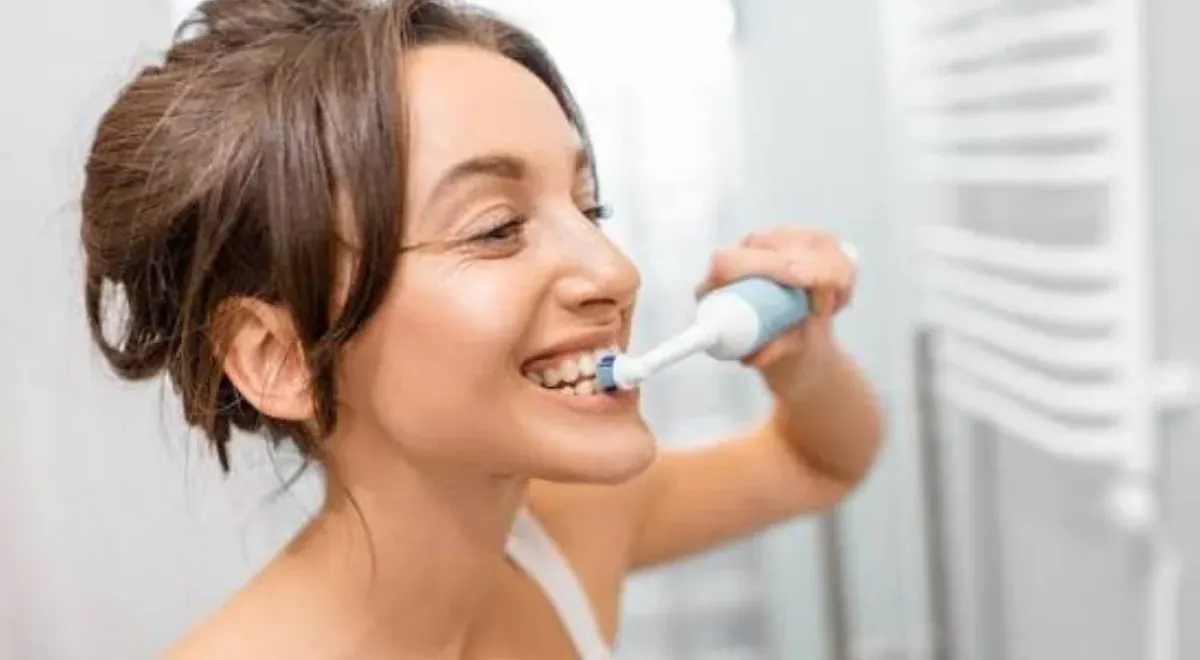
A team from the stomatology hospital of Peking University, including Yanhui Lu, Jia Song and Xiaopei Chi, described a self-charged toothbrush in Science Advances on 4 November 2026. Its bristles are made of piezoelectric polyvinylidene fluoride (PVDF) instead of nylon and generate electric charge when they bend during brushing, with no cell or battery science.org
Science Advancesscience.orgOpen source ↗. In a trial with 115 adults, plaque fell by about 40% over three months, against about 15% with nylon brushes.
How PVDF bristles act on bacteria
PVDF becomes electrically charged when it is flexed. With each stroke the bristles bend and release small discharges. In contact with the water in the mouth, the authors report, these form reactive oxygen species that damage the bacterial membrane. At rest the bristles keep a weak surface charge that makes it harder for microbes to adhere.
Mechanistic studies showed oxidative damage to the membranes of oral pathogenic bacteria, which impaired the ATP-binding cassette transporter pathway. According to the team, harmful bacteria have a more fragile envelope and withstand reactive molecules less well. In the laboratory the bristles killed up to 78% of Porphyromonas gingivalis, versus 8% for nylon. They also removed more than 99% of a plaque model grown on bovine teeth. Tests on cultured cells showed no toxicity, and after the equivalent of three months of use the enamel was intact and the bristles kept their properties.
Trial design and results
The 115 adults had gingivitis or caries and were randomly assigned to four groups. Two groups received the new brush with bristles of two thicknesses; the other two used manual nylon brushes. Everyone brushed twice a day with fluoride-free toothpaste. Examinations took place at baseline, after one month and after three months, and plaque samples were taken at each visit for bacterial DNA analysis science.org
Science Advancesscience.orgOpen source ↗.
Besides less plaque, the self-charged brushes were associated with less gum inflammation and bleeding. The authors say the effect appears first in plaque, and the gums improve more gradually. DNA analysis showed a decline in bacteria linked to caries and gum disease, such as Streptococcus mutans and Porphyromonas gingivalis, which was not seen in the nylon groups. Beneficial species, including Lactobacillus rhamnosus and Streptococcus salivarius, increased.
The study compared the new brush only with manual brushes. The authors consider it necessary to test it against commercial electric, sonic and antibacterial models. Their laboratory tests also extend bristle-bacteria contact beyond that of real brushing. Longer follow-up studies are planned to confirm lasting benefits.
出处 · 2
发现错误?延伸阅读