Snapshot Europe: camera traps recorded 63 mammal and 78 bird species across 22 and 23 countries
More than 160 researchers ran a coordinated camera-trap survey in 2021 and 2022. The open dataset holds 94,441 mammal observations and 5024 bird detections.
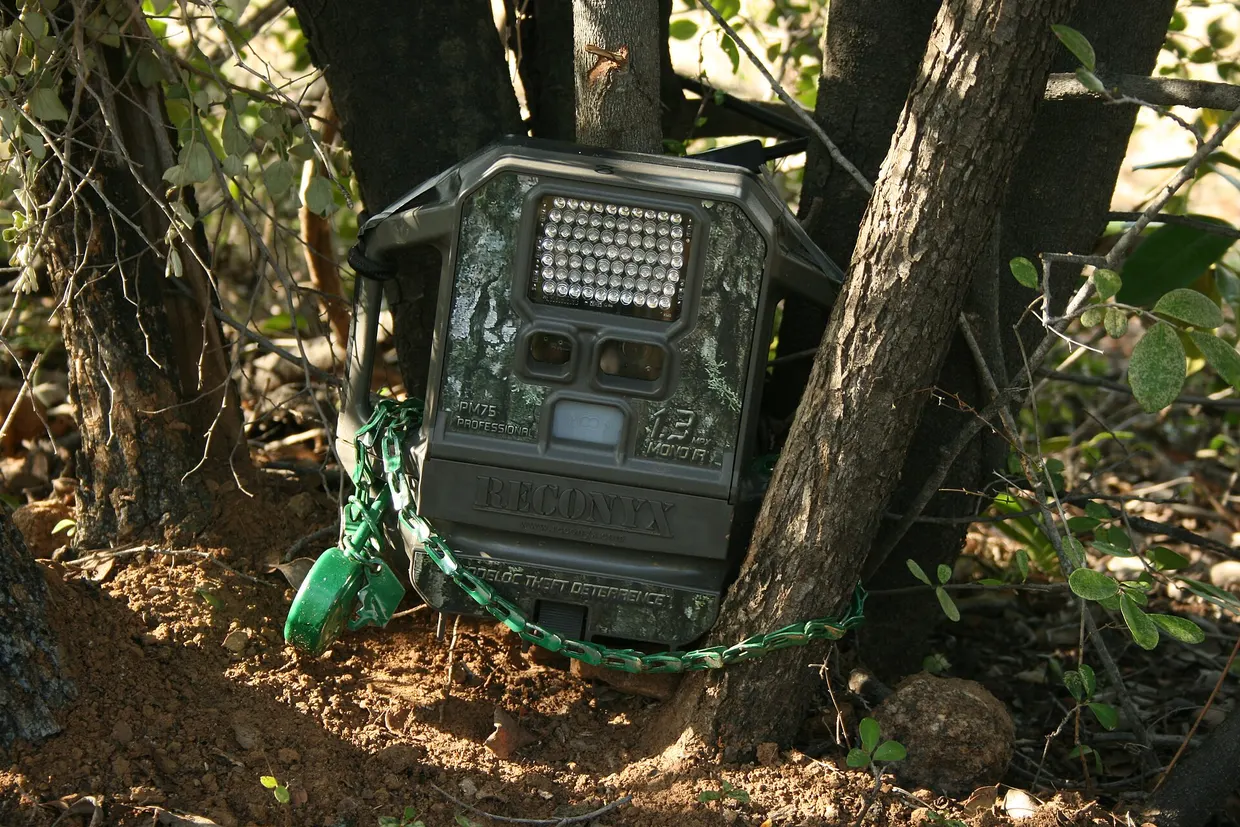
Between mid-August and mid-November of 2021 and 2022, more than 160 researchers simultaneously collected camera-trap data across Europe as part of Snapshot Europe, a coordinated and standardized mammal survey. Data from the first two years are described in a data paper in Ecology: 1198 locations in 2021 and 967 in 2022, grouped into 81 and 55 arrays in 22 and 23 countries respectively wiley.com
Ecologywiley.comOpen source ↗.
The authors note that budgets, differences in national legislation and the difficulty of coordinating logistics across borders usually limit surveys to small areas and to a few years. Many European species are shared by several countries and managed under different legal frameworks, so a single standardized protocol addresses this gap.
Survey effort and coverage
In total the cameras ran for 90,230 camera-trap days: 49,033 in 2021 and 41,197 in 2022. About 91% of the data were collected in September and October.
Of the 106 arrays across the two years, 28% were sampled in both 2021 and 2022. This allows estimates to be compared over time wiley.com
Ecologywiley.comOpen source ↗.
Data processing and results
All data were managed and processed in the Wildlife Insights platform. Each record was reviewed by at least one participant, who confirmed or edited the initial classification.
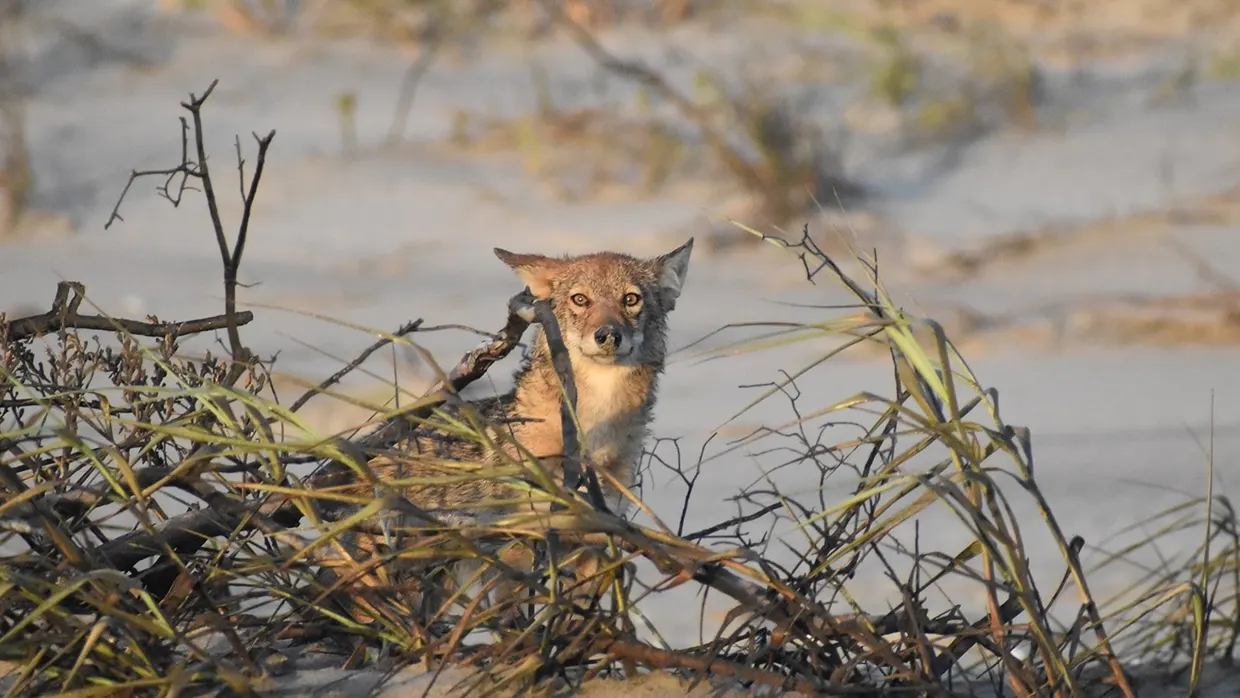
The final dataset contains 94,441 observations of 63 mammal species and 5024 detections of 78 bird species. According to the authors, this is a subsample of the European wildlife community. It can be used to study the drivers of distribution, abundance and activity across the continent.
Reuse and next years
The authors plan to repeat the survey annually for the foreseeable future. Data for 2023, 2024 and 2025 are being revised and will be made publicly available. Once combined, the annual datasets will allow trends over time to be estimated wiley.com
Ecologywiley.comOpen source ↗.
Four sister initiatives (Snapshot USA, Snapshot Japan, Snapshot Brazil and Snapshot Chile) collect data each year using the same sampling protocol. This makes global-scale comparisons possible.
The images are available in Wildlife Insights. The data can be reused under the CC BY-SA 4.0 license, and the authors ask that the data paper be cited when any part of the dataset is reused.