Hibernating hamster hippocampus shows Alzheimer's-like microglial response without Aβ accumulation
Single-nucleus sequencing of golden hamster hippocampi found large gene expression shifts across the hibernation cycle, mostly in glia. Microglial states partly resemble Alzheimer's disease.

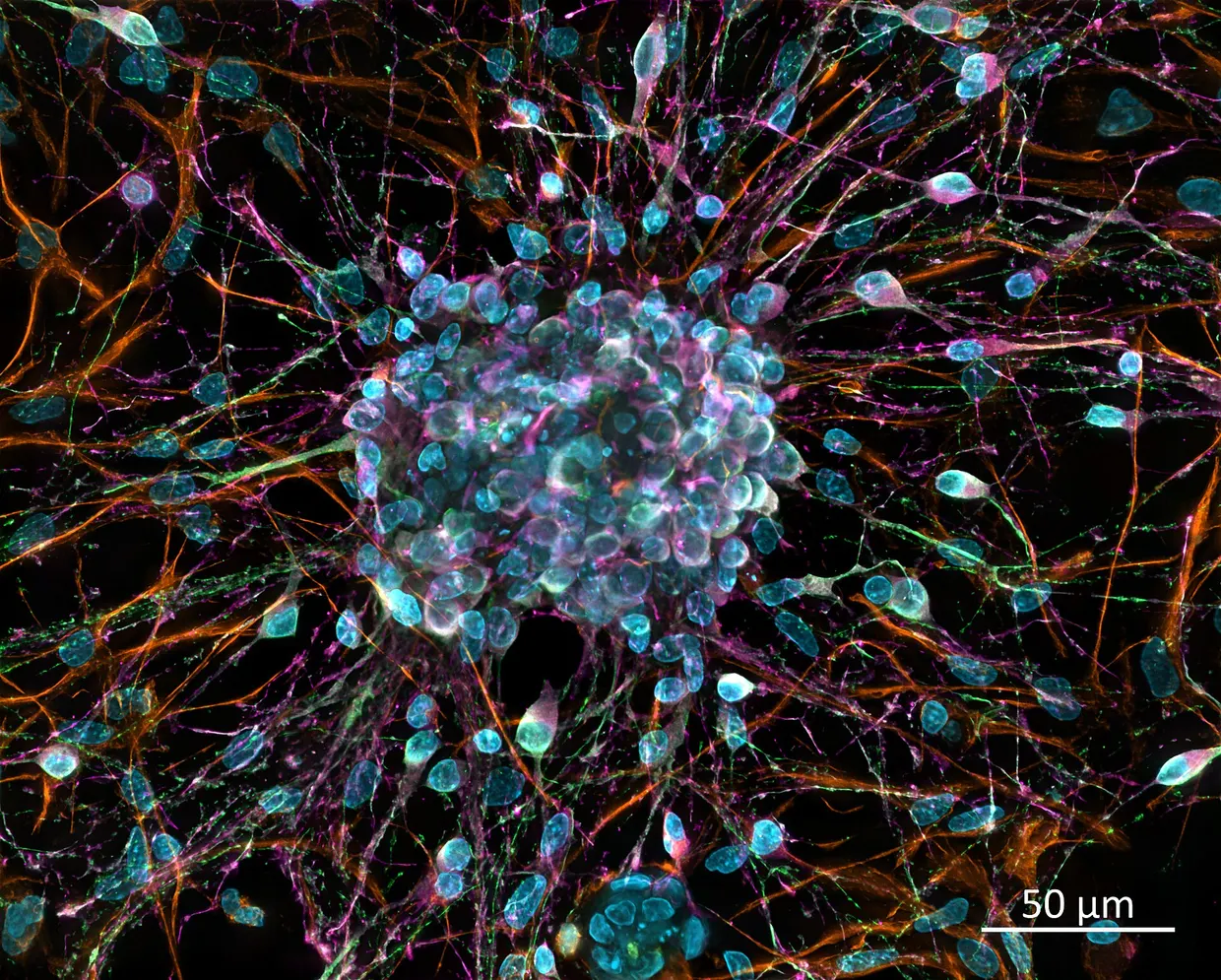
Researchers used single-nucleus RNA sequencing on hippocampi of golden hamsters to follow gene expression across the hibernation cycle, according to a study in Science Advances. Hibernation involves cycles of reduced metabolic rate during torpor, followed by brief periods of arousal. The authors report large transcriptional shifts in all cell types, especially glia science.org
Science Advancesscience.orgOpen source ↗.
Changes in mitochondrial and ribosomal genes were common to all cell types. Hibernation also triggered an inflammatory-like response in microglia that in part resembles cell states observed in Alzheimer's disease, but without Aβ accumulation and neurodegeneration.
Earlier studies showed that hibernation induces a drastic increase in Tau hyperphosphorylation, but a mechanistic link to disease remained unclear. The authors suggest that these brain changes might help preserve vital functions under extreme conditions, and that early cellular changes in Alzheimer's disease may be a natural adaptive process.