Podocytes pass palmitic acid to CD4+ T cells, driving CD103+ differentiation in a humanized lupus mouse model
In humanized lupus mice, podocytes supply palmitic acid to T cells and push them into a kidney-resident CD103+ state. Blocking podocyte fatty acid oxidation reduced renal inflammation.
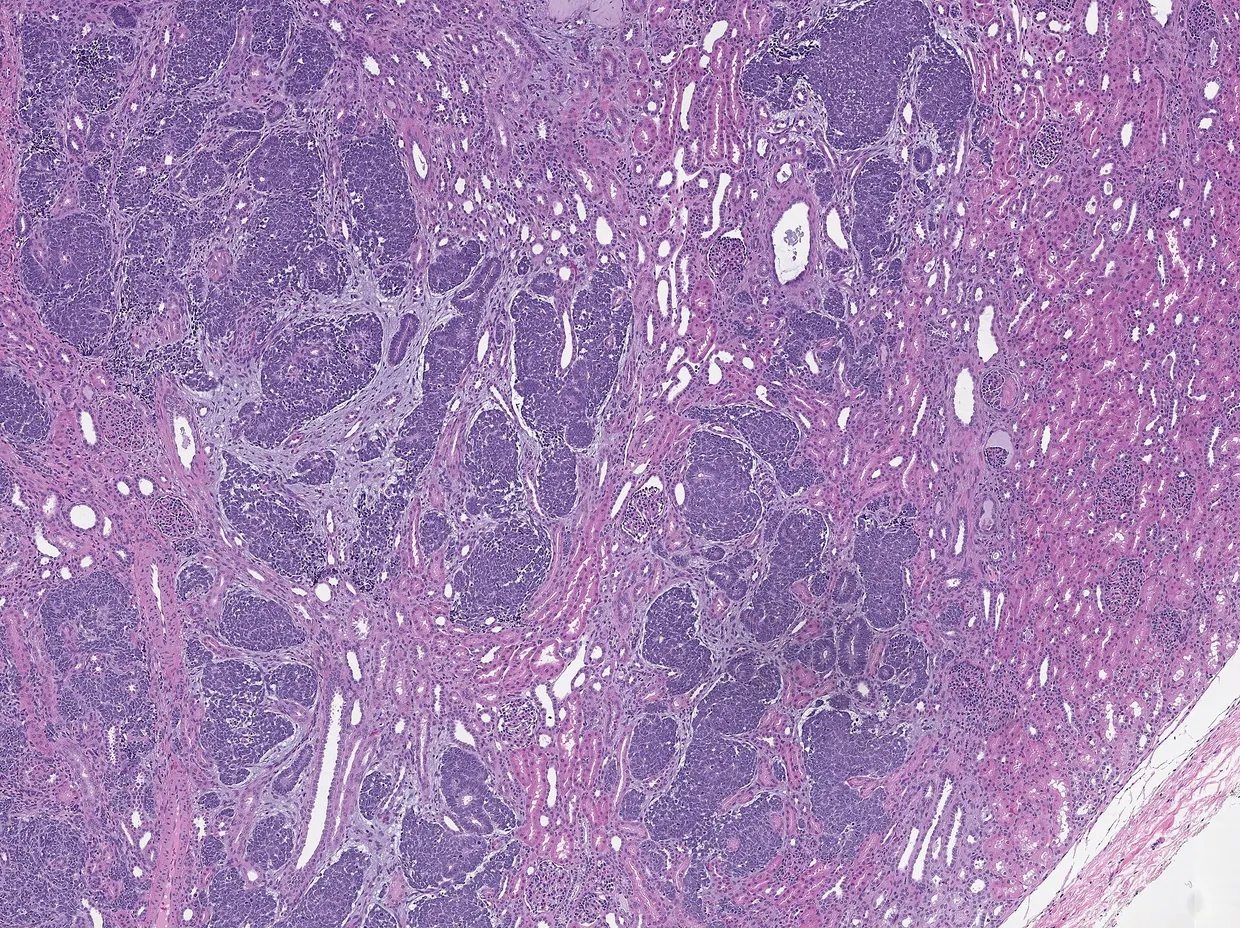
Researchers led by Ying Wang, Zhenke Wen and Sidong Xiong report that pathogenic CD4+ CD103+ T cells accumulate in the kidney and correlate strongly with disease activity in lupus nephritis, according to a paper in Nature Communications covered by bioengineer.org bioengineer.org
bioengineer.orgbioengineer.orgOpen source ↗. The team analysed single-cell datasets from lupus nephritis patients and ran experiments in humanized chimeric mouse models of systemic lupus erythematosus.
The authors state that resident kidney podocytes steer infiltrating CD4+ T cells toward a tissue-resident, pathogenic CD103+ state. They describe this as a stromal-immune metabolic axis that sustains local renal inflammation.
Podocyte fatty acid oxidation and palmitic acid transfer
Lupus nephritis involves massive immune cell infiltration and progressive renal injury. Infiltrating immune cells in the kidney during active disease are well known, but how the local tissue niche programs T cell residency had remained unclear.
The study found that podocytes associated with systemic lupus erythematosus undergo aberrant fatty acid oxidation. The affected podocytes transfer soluble palmitic acid directly to infiltrating CD4+ T cells in the renal tissue bioengineer.org
bioengineer.orgbioengineer.orgOpen source ↗.
p53 S-palmitoylation and Runx3 in T cells
After uptake, podocyte-derived palmitic acid drives S-palmitoylation of p53 in the CD4+ T cells. This in turn triggers p53-dependent transcription of Runx3 in the infiltrating lymphocytes.
According to the authors, this cascade promotes CD103+ T cell differentiation, establishes tissue residency and amplifies local immune responses in the autoimmune kidney.
Metabolic inhibition in preclinical models
The researchers also tested targeted inhibition of podocyte fatty acid oxidation in preclinical models. In humanized chimeras, the treatment reduced the accumulation of pathogenic CD103+ T cells and alleviated renal inflammation bioengineer.org
bioengineer.orgbioengineer.orgOpen source ↗.
The authors position podocyte fatty acid metabolism as a potential therapeutic target for lupus nephritis. The reported intervention was tested in mice only.
出处 · 2
发现错误?延伸阅读