Testosterone shapes warmth preference in mice: females chose 36 °C, males 32 °C, study reports
In experiments on 30 male and 27 female mice, testosterone affected the choice of warm surfaces; the authors link it to signal transmission, not thermoregulation.
Researchers have described a possible biological mechanism that may explain why women more often report sensitivity to cold and prefer warmer indoor temperatures than men, according to cursorinfo.co.il. The authors say the hormone testosterone and specific receptor proteins in skin nerve endings play the key role in temperature perception. cursorinfo.co.il
cursorinfo.co.ilcursorinfo.co.ilOpen source ↗ The work was done on laboratory mice, so the results are animal data.
Mouse experiment
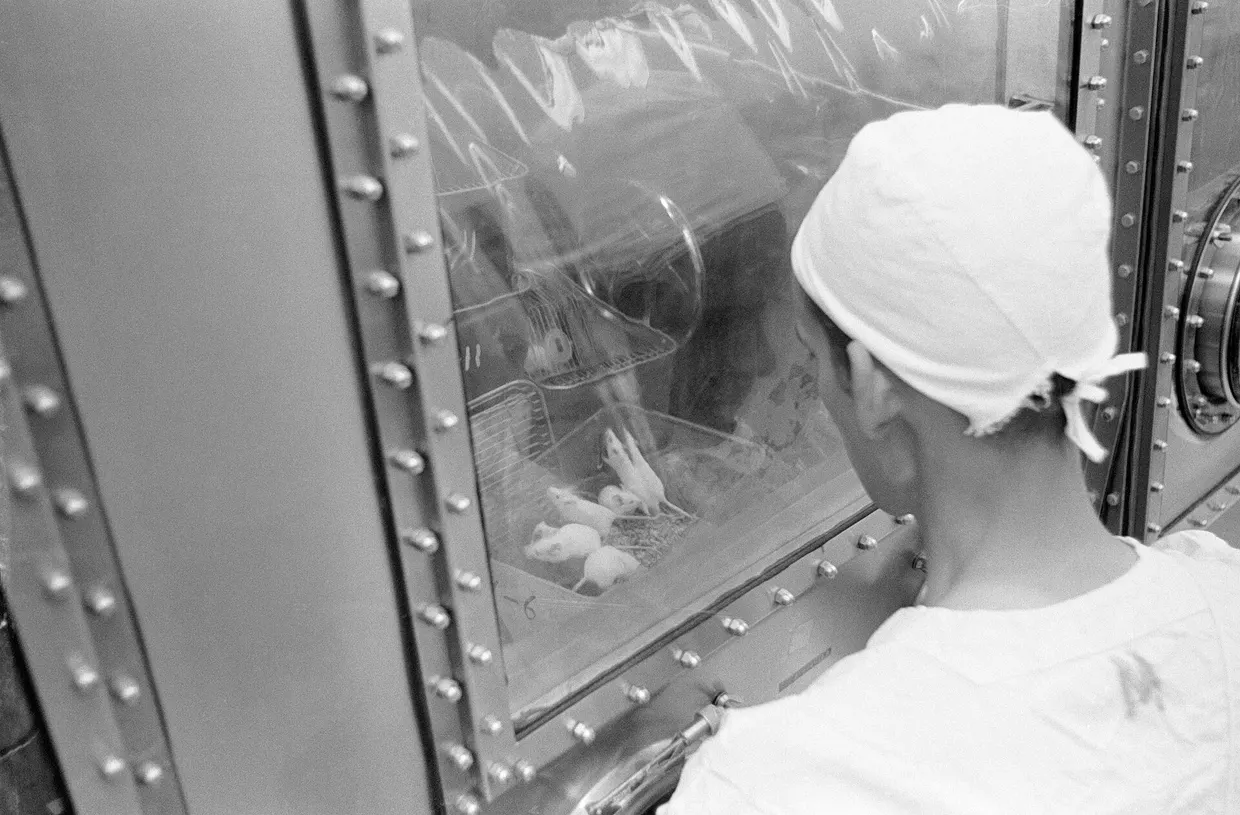
The scientists observed 30 male and 27 female laboratory mice that could choose between surfaces of different temperatures. Females chose warmer zones significantly more often: their preference averaged 36 degrees Celsius versus 32 degrees for males.
Physiological measurements showed no significant differences in baseline body and skin temperature between the sexes. The differences were in behavior, not in measured temperature. The authors concluded that the cause lies not in the physical processes of thermoregulation but in how the nervous system transmits signals to the brain.
Role of testosterone
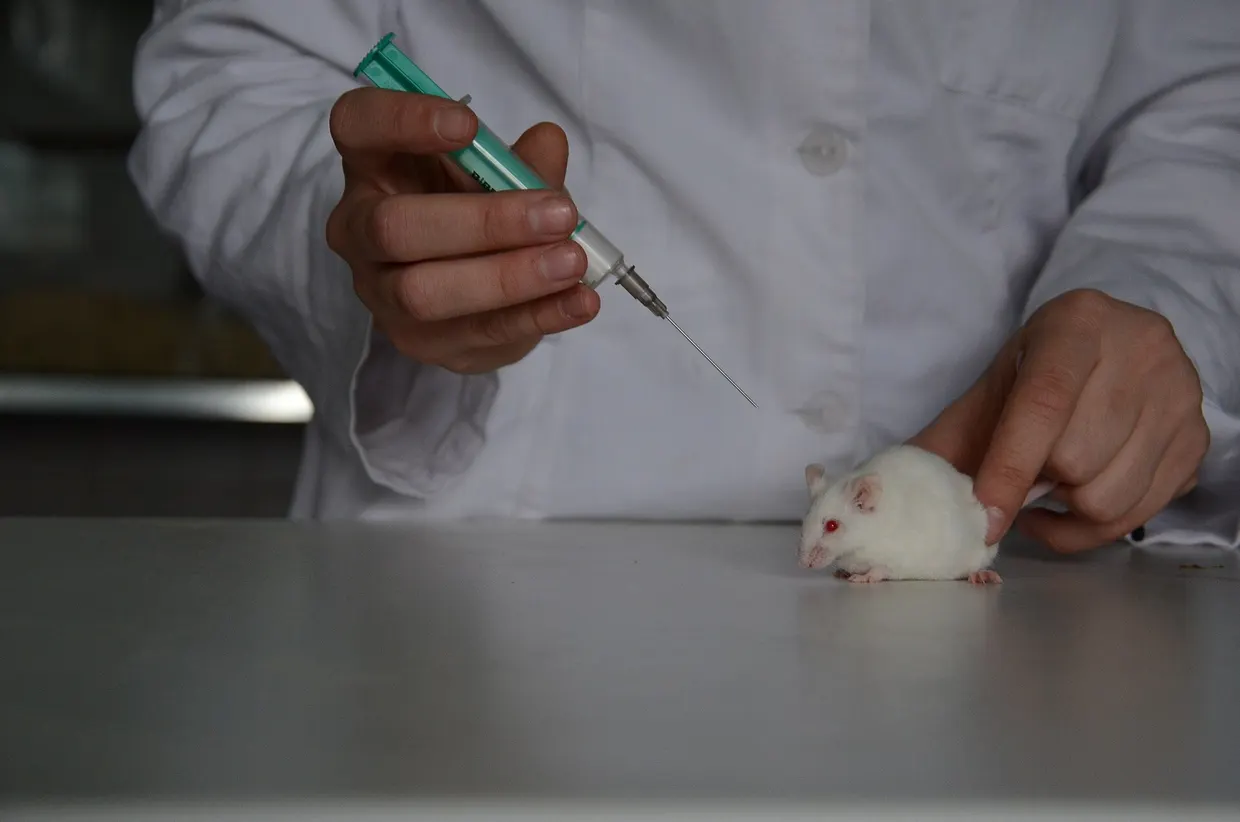
When testosterone production was blocked in males, they began to seek warmer areas. Females lost their pronounced attraction to higher temperatures after receiving testosterone. cursorinfo.co.il
cursorinfo.co.ilcursorinfo.co.ilOpen source ↗ Thus, according to the authors, testosterone regulates sensitivity to temperature. Estrogen and progesterone caused no changes in the animals' behavior.
Co-author Peter McNaughton of King's College London noted that testosterone probably affects receptor function indirectly, by changing the activity of certain genes. The scientists stress that humans have analogous sensory receptor proteins that work in a similar way.
In the authors' view, the finding could help to better understand the mechanics of some neurological disorders and to optimize temperature standards in the design of residential and office spaces. The tests themselves were carried out on animals.