Elias 2-24 b: Keck II archive data reveal a Jupiter-mass exoplanet younger than 1 million years
Astronomers confirmed Elias 2-24 b, the youngest exoplanet yet detected in images, in archival Keck II data. It formed faster than traditional models predict.
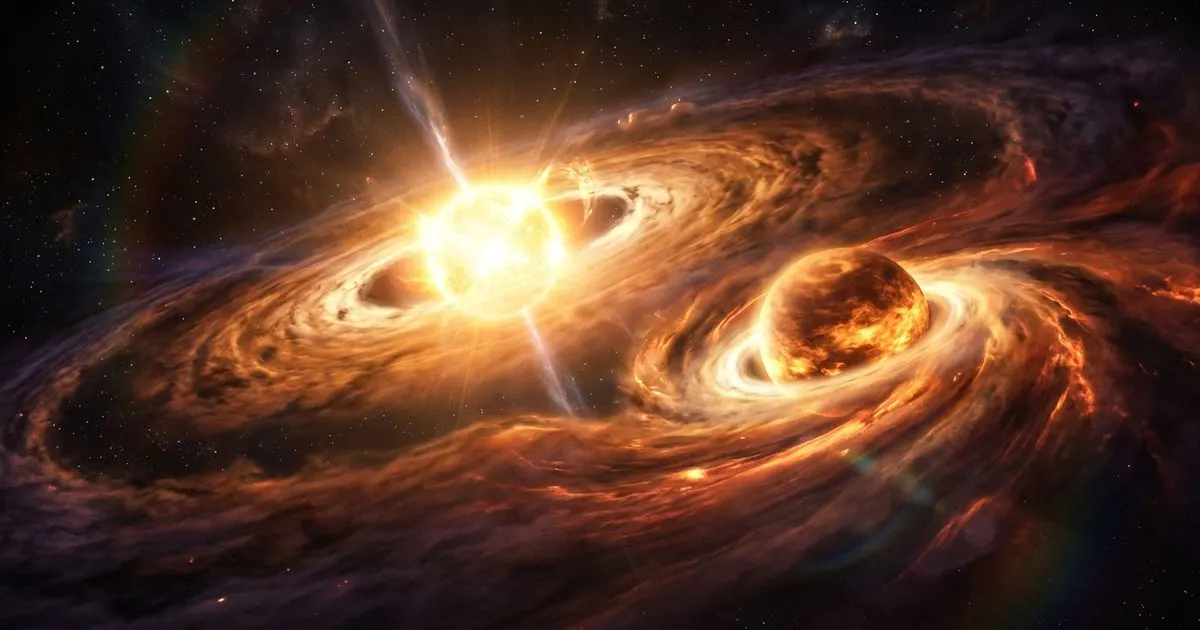
According to catracalivre.com.br, astronomers have confirmed Elias 2-24 b, the youngest exoplanet yet recorded, using archival Keck II telescope data collected between 2018 and 2020. catracalivre.com.br
catracalivre.com.brcatracalivre.com.brOpen source ↗ Its mass is comparable to that of Jupiter, and its age is under 1 million years. The study, published in The Astrophysical Journal Letters, was led by Andrea Bernardi of Diego Portales University.
Archive data and observations
The Keck II records from 2018 to 2020 were re-examined with modern methods, which revealed details that had gone unnoticed earlier. Confirming the object's properties also required complementary facilities, including ALMA, along with NASA data and large ground-based telescopes. Together they made it possible to isolate signals from heated matter and to separate the planet's radiation from the strong glare of the host star.
The planet sits inside an extended protoplanetary disk of dust grains and primordial gas. According to the report, it shapes this structure and draws in debris as it moves along its orbit.
Growth faster than models allow
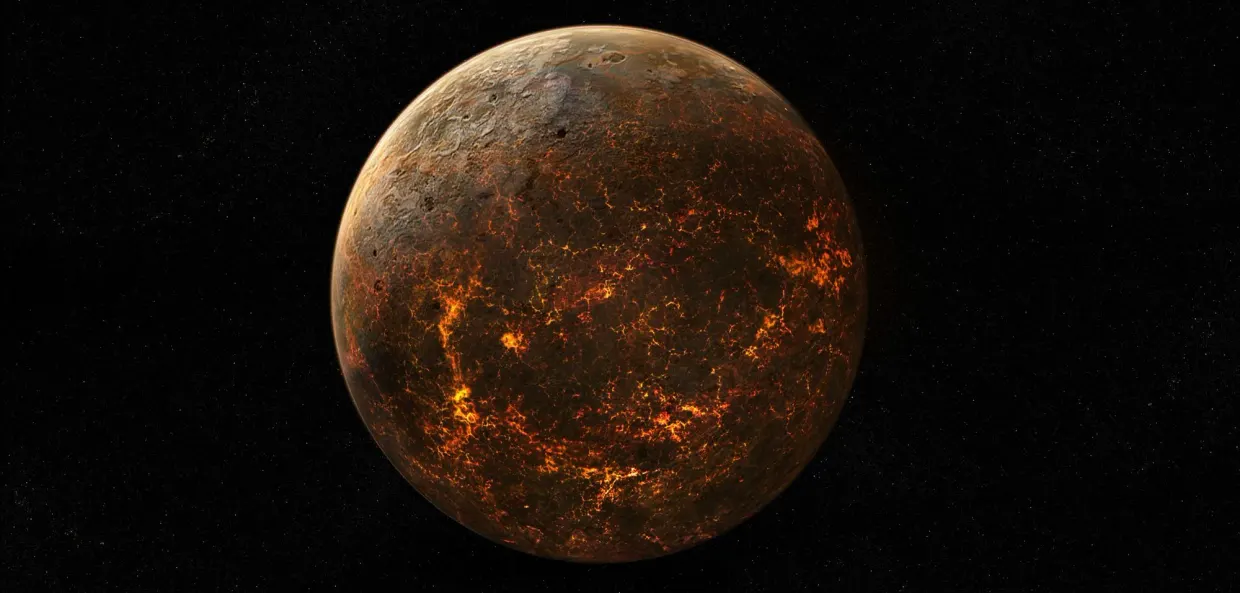
The planet is still accumulating gas from the dust cloud surrounding its host star. catracalivre.com.br
catracalivre.com.brcatracalivre.com.brOpen source ↗ The researchers were surprised by how fast the structure formed, since gas bodies this large usually need more time. Traditional formation models did not predict such rapid development in under 1 million years.
A second difficulty is the large physical distance between the planet and its star. Classical core accretion explanations face theoretical barriers in accounting for so much matter gathering this quickly and this far from the star.
According to the source, the finding leads researchers to revise earlier theories of gas giant formation, and new computer simulations now consider alternative paths of ultrafast growth. The result also shows the scientific value of observational archives: older images can still yield new findings without a new space mission.