Osaka University links OCTOPUS supercomputer and Urchin quantum computer in SEAFOOD platform
Researchers at the University of Osaka ran a four-hydrogen-atom quantum chemistry test as a single workflow across a supercomputer and a superconducting quantum computer. It is a first in Japan.
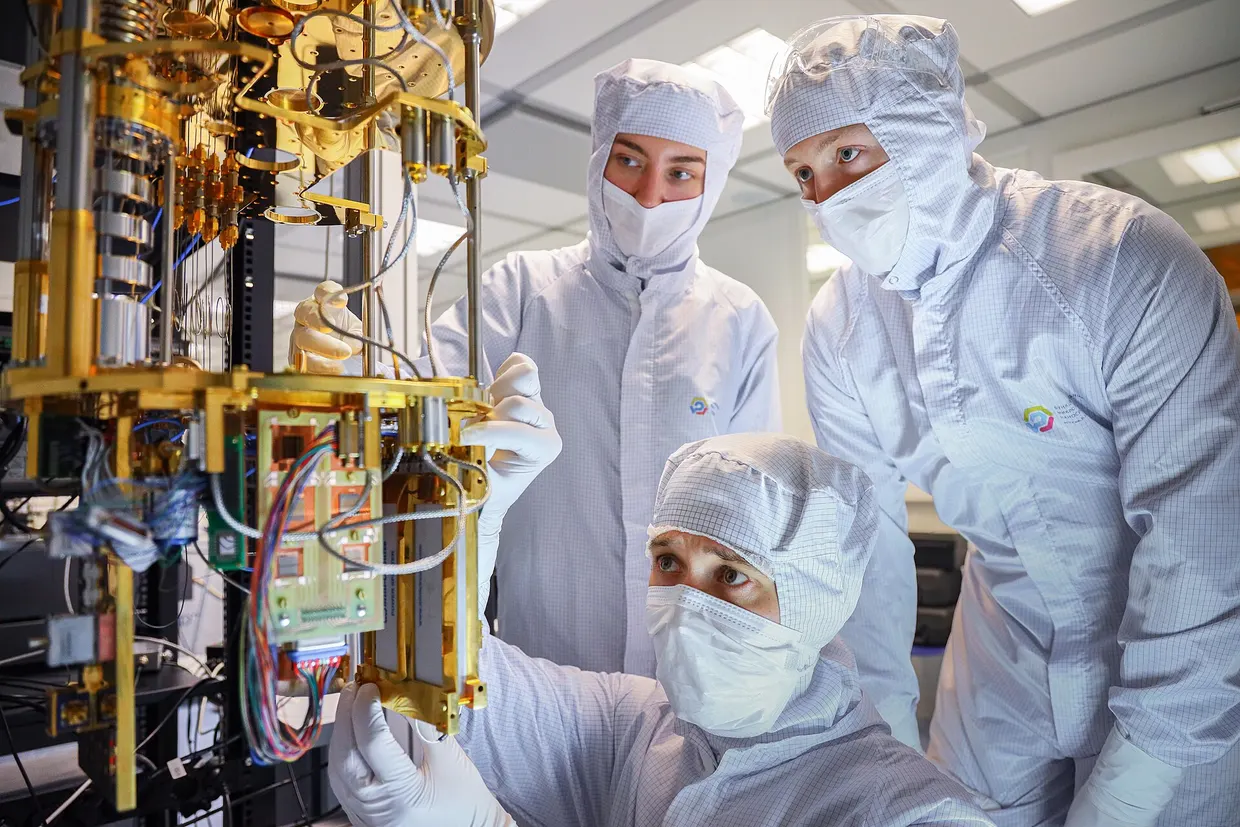
Researchers at the D3 Center and the Center for Quantum Information and Quantum Biology (QIQB) at the University of Osaka have built SEAFOOD, a platform that lets the university's OCTOPUS supercomputer and superconducting quantum computers work in a single computing workflow, ResearchSEA reports. asiaresearchnews.com
ResearchSEAasiaresearchnews.comOpen source ↗ According to the authors, it is the first case in Japan of integrating a domestically developed quantum computer and a supercomputer installed at the same university. The team demonstrated the system with a quantum chemistry calculation.
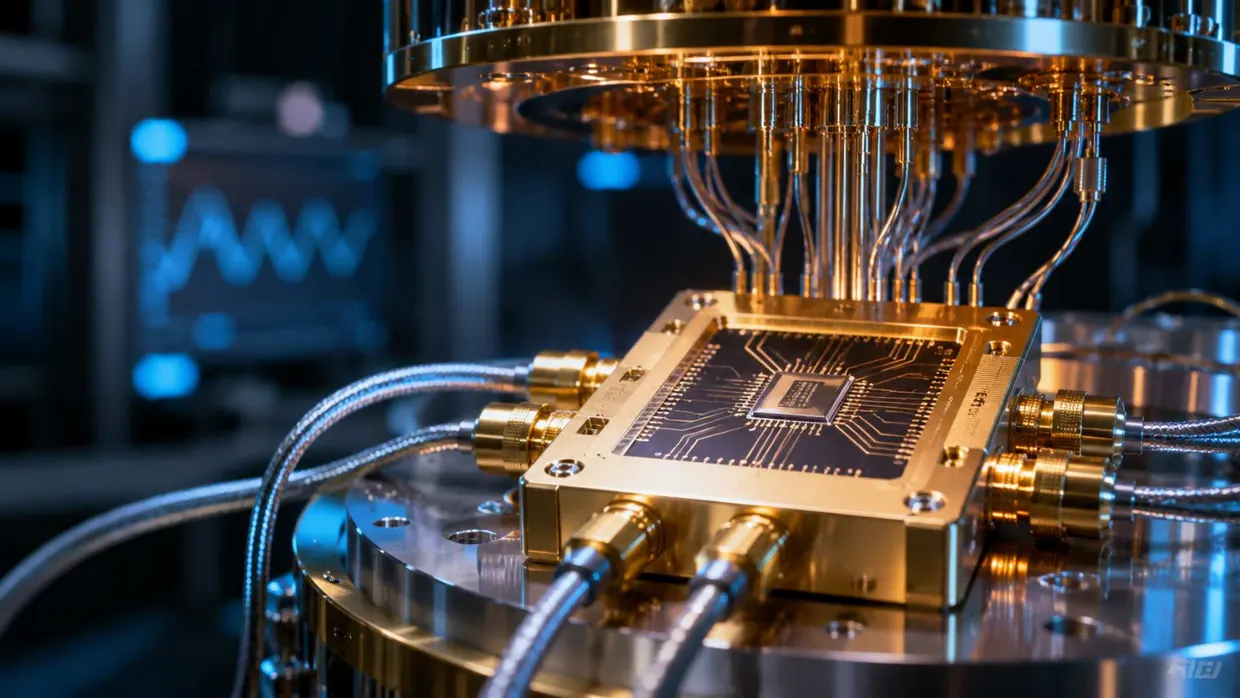
OCTOPUS is operated by the D3 Center. The superconducting quantum computers are developed and operated by QIQB on a separate campus. The project draws on joint research involving Professor Susumu Date (D3 Center) and Associate Professor Hiroshi Ueda (QIQB). The platform is scheduled to begin operating in December 2026.
How the hybrid workflow runs
Users submit jobs from the OCTOPUS login node. Jobs running on the compute nodes send quantum circuits to QIQB's quantum computers through the OQTOPUS API and receive the measurement results. Classical computation stays on the OCTOPUS compute nodes. OQTOPUS is open-source software developed by QIQB and its partners.
The motivation is that understanding how electrons interact matters for developing new materials and drugs, yet such calculations are demanding even for powerful supercomputers. Today's quantum computers have limited numbers of qubits and are prone to errors, so combining them with conventional computing is a way to use the strengths of each.
Four-atom test and access plans
As a proof of concept, the researchers used quantum-selected configuration interaction (QSCI), a method that combines quantum measurements with conventional calculations. The quantum computer identifies important electron configurations, and the supercomputer performs the matrix calculations needed to determine the system's energy. In a test with four hydrogen atoms, OCTOPUS and QIQB's Urchin quantum computer ran the full calculation as one integrated workflow. It produced a ground-state energy that matched a conventional reference calculation. asiaresearchnews.com
ResearchSEAasiaresearchnews.comOpen source ↗
In fiscal year 2027, selected research teams at the University of Osaka will be offered trial access through the D3 Center's proposal-based use program, as joint research with QIQB. The insights from these trials will be used to improve job scheduling, share technical know-how and explore broader access through nationwide initiatives.
"SEAFOOD is not simply a connection between a quantum computer and a supercomputer," Professor Date said. He described it as a new kind of research computing infrastructure that brings supercomputing and quantum computing together as an integrated resource for scientists. The authors add that the use of open-source software and standard interfaces may help other institutions adopt similar systems.
Sources · 1
Found a mistake?Read also