Mayo Clinic: awake DBS surgery repositioned 15% of 137 leads in essential tremor, mostly beyond imaging
In a retrospective Mayo Clinic study of 137 leads, awake surgery led to repositioning in about 15%; 88% of those changes could not have been made by imaging alone.
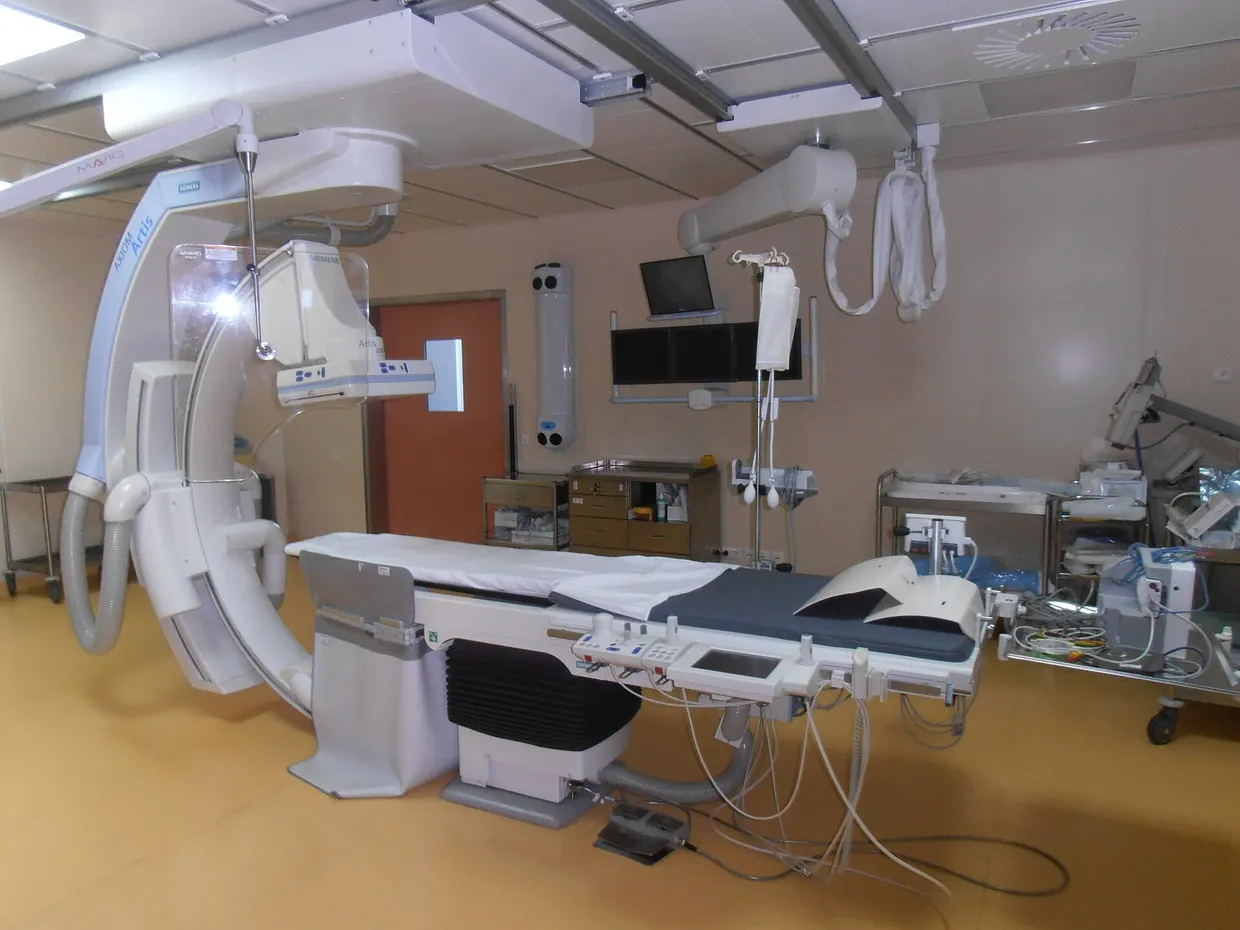
Awake deep brain stimulation (DBS) surgery provides information that imaging alone cannot, which helps clinicians personalize electrode placement in patients with essential tremor. This follows from a Mayo Clinic study published in Operative Neurosurgery, as reported by newswise.com. newswise.com
newswise.comnewswise.comOpen source ↗
DBS involves implanting thin wires with electrodes, called leads, in specific brain areas. The electrodes deliver electrical impulses that affect brain activity, and the method is used for essential tremor, Parkinson's disease and dystonia. Imaging is used to plan lead placement.
What the awake procedure adds
During awake surgery, neurosurgeons and neurologists can record brain activity, test stimulation and receive feedback from the patient. The team can then adjust the lead position during the procedure. In asleep DBS, lead placement relies primarily on imaging.
"It is an interactive process that gives us the ability to evaluate patient responses during the procedure and immediately adjust lead placement," said Matthew R. Baker, Ph.D., a Mayo Clinic neurosurgery scientist and study co-author. newswise.com
newswise.comnewswise.comOpen source ↗
Results of the retrospective analysis
Researchers examined 137 DBS leads implanted in patients who were awake during surgery for essential tremor. For each lead they determined whether the final implant followed the planned path, needed a depth adjustment, or was moved to a parallel path based on brain activity recordings and stimulation testing. They also compared tremor suppression and side effects before and after repositioning.
About 15% of the leads were meaningfully repositioned. Of those adjustments, 88% could not have been achieved through imaging-based corrections alone.
During surgery, repositioned leads also produced more favorable responses: better tremor control, fewer side effects and wider therapeutic windows. The therapeutic window is the range between the stimulation level needed to control symptoms and the level at which side effects emerge. newswise.com
newswise.comnewswise.comOpen source ↗
The authors note that clinicians cannot reliably determine before surgery which patients will need the additional information from awake testing.
Next steps
The team is studying ways to make awake DBS more efficient while preserving patient-specific information. Planned work includes technologies that evaluate several measures of brain activity simultaneously, as well as new patient tasks, stimulation approaches and targeting strategies.
"Our goal is to shorten the procedure while preserving the information that helps us make better decisions for each patient," said Kai Miller, M.D., Ph.D., a Mayo Clinic neurosurgeon and study co-author. newswise.com
newswise.comnewswise.comOpen source ↗
The work supports Mayo Clinic's Bioelectronics Neuromodulation Innovation to Cure (BIONIC) initiative, which aims to develop personalized neuromodulation therapies.