Maya city Minanbé found in Campeche: 37 acres, a 43-foot pyramid and a ruler named Suutz’
Archaeologists in Mexico’s Campeche state found a Late Classic Maya settlement, probably called Sakil, with inscriptions on 14 pillars and altars about a conflict with Ocomtún.
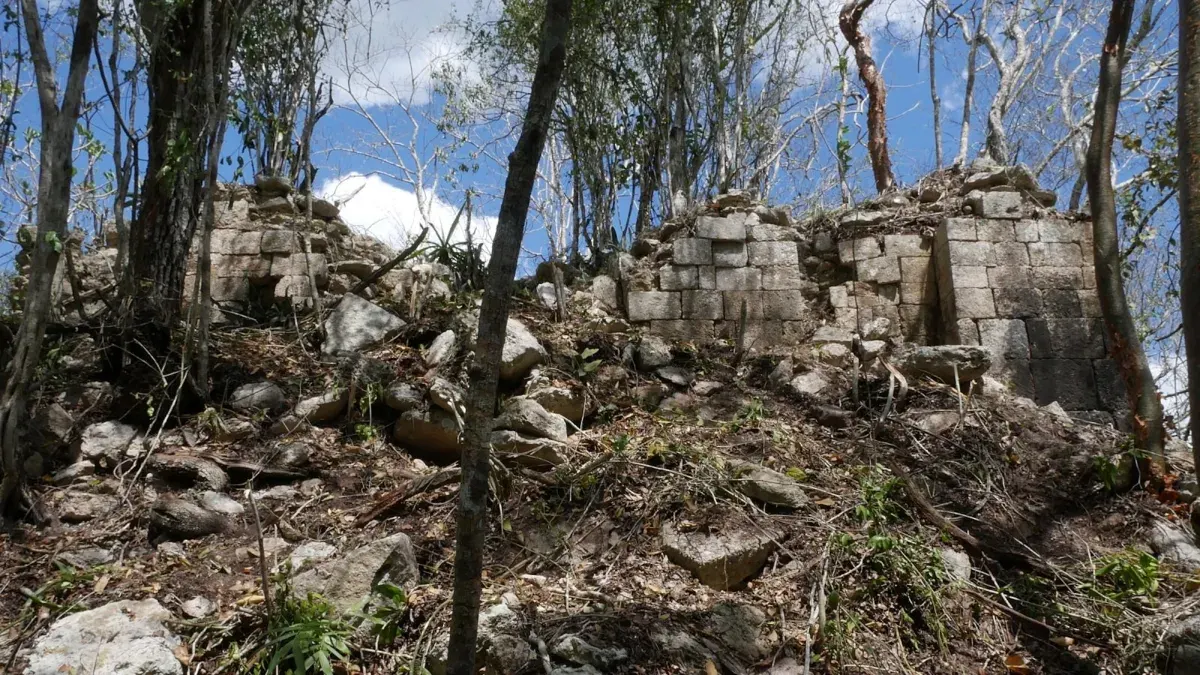
Archaeologists have described a Late Classic Maya settlement in the tropical forests of Campeche, a Mexican state on the border with Guatemala, Popular Science reports. The site, about 37 acres in size, was discovered in May 2026 popsci.com
Popular Sciencepopsci.comOpen source ↗. It is so hard to reach that researchers nicknamed it Minanbé, which means "there is no road" in Yucatec Maya. Building remains there date back at least 1,100 years.
Buildings and the name of the city
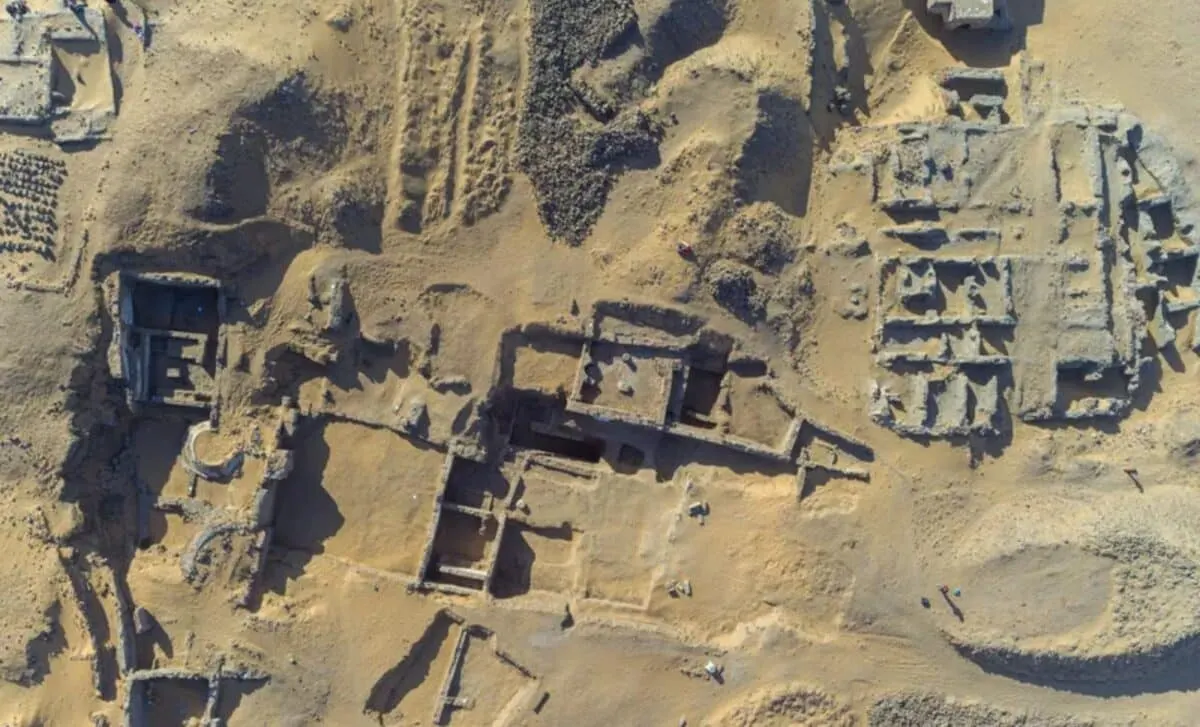
The settlement lies north of the Calakmul Biosphere Reserve. Surviving structures include religious facilities, palace buildings, plazas, water-management systems and a pyramid nearly 43 feet tall. Hieroglyphic translations by Octavio Esparza Olguín, an archaeologist at the National Autonomous University of Mexico, suggest that the residents called their settlement Sakil, a Maya term related to "whiteness".
Beyond the architecture, the team examined 14 pillars and altars bearing carved texts and images. Their inscriptions are the main source of new details about the city's history.
Inscriptions: a conflict and a ruler
The hieroglyphs record a violent conflict between Sakil and another Maya center, Ocomtún popsci.com
Popular Sciencepopsci.comOpen source ↗. The relief on one monument shows a captive lying on his stomach with his wrists tied and his head turned sideways. Nearby inscriptions state that he was once a resident of Minanbé.
Hieroglyphs on other pillars commemorate a regional ruler, a kalo'mte', named Suutz', which means "bat" in Yucatec Maya. The associated imagery shows a ruler in decorative clothing, sandals and a detailed headdress. Based on this and other inscriptions, Esparza Olguín and his colleagues believe Suutz' was a powerful chief who held considerable authority over Sakil's residents.
The finds point to a conflict between Sakil and Ocomtún, but it remains unclear whether it took place during Suutz' reign. The excavations have produced a good deal of information in a short time. The team hopes that further work will clarify the history of the settlement and its residents' relationship to the world around them.