Arabinose, lactulose and polyols raised Salmonella Typhimurium loads over 100-fold in mice
In mice given two high doses of low-digestible sugars, Salmonella colonized the gut, spread to organs and caused colitis without antibiotic pretreatment.
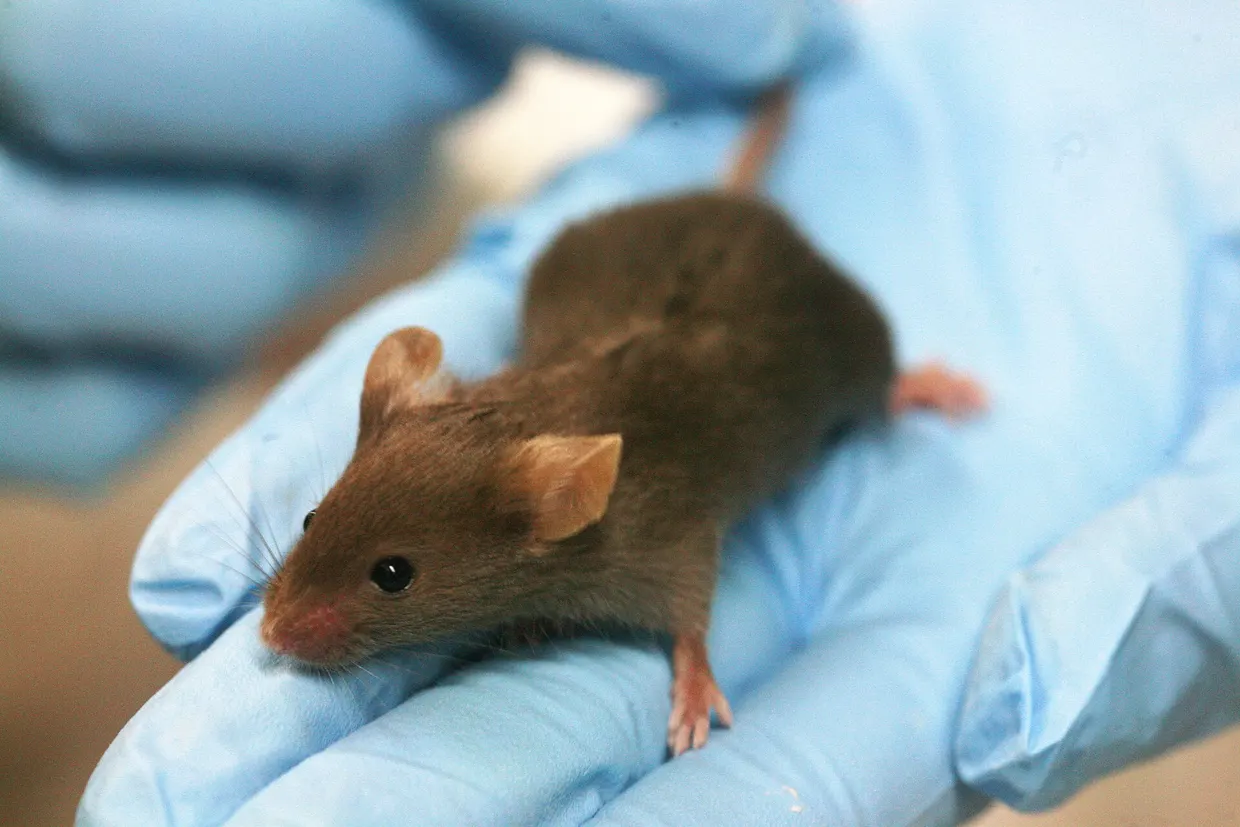
A study in Nature Communications reports that acute overconsumption of low-digestible sugars (LDSs) weakened colonization resistance against Salmonella enterica serovar Typhimurium (S.Tm) in mice nature.com
Nature Communicationsnature.comOpen source ↗. The tested sugars were arabinose, lactulose and polyols, which are used as sugar substitutes. On day 1 after infection, mice given LDSs excreted more than 100 times more S.Tm in feces than PBS controls. The experiments were done in mice, not in humans.
Experimental design and infection course
C57BL/6 mice with a specified-pathogen-free microbiota received two oral gavages of 132 mg of a carbohydrate, one hour before and four hours after infection with 5 × 10^7 S.Tm. The doses exceeded the typical daily intake of fermentable short-chain carbohydrates in mice on standard chow, 16–184 mg per day, assuming 3 g of food. The LDSs were L- and D-arabinose, lactulose, erythritol, sorbitol and maltitol. Mice pretreated with 25 mg of streptomycin served as a comparison group.
Fecal S.Tm loads fell by day 2, then a second bloom followed. By days 3–4 the loads reached 107–1011 CFU/g of feces, comparable to streptomycin-pretreated mice. S.Tm was also found in the liver, spleen and mesenteric lymph nodes. Fecal lipocalin, a marker of inflammation, was 102–105 ng/g on days 2–4, and histopathology on day 4 showed colitis. Inflammation was higher than in PBS controls but milder than in streptomycin-pretreated mice.
Mechanism and virulence
The authors studied arabinose in more detail. Its rapid fermentation by the microbiota acidified the intestine, perturbed the microbial community, changed short-chain fatty acid levels and increased amino acid availability, which can support pathogen growth nature.com
Nature Communicationsnature.comOpen source ↗.
Arabinose intake was also associated with higher SPI-1 expression and a broader tissue tropism, including more translocation into Peyer's patches and ileal tissue and spread to the small intestine. The authors report positive selection for invasive Salmonella. Unlike after antibiotic perturbation, colonization in this model required both the SPI-1 and SPI-2 type III secretion systems, which links virulence to pathogen fitness. According to the authors, dietary perturbations can both compromise colonization resistance and enhance pathogen virulence.