PBITE-1 small molecule binds ERG in prostate cancer cells and mouse xenografts, inducing apoptosis
Michigan researchers found a ligandable pocket in the PNT domain of ERG, a protein long considered undruggable. The compound has so far been tested only in cells, organoids and mice.
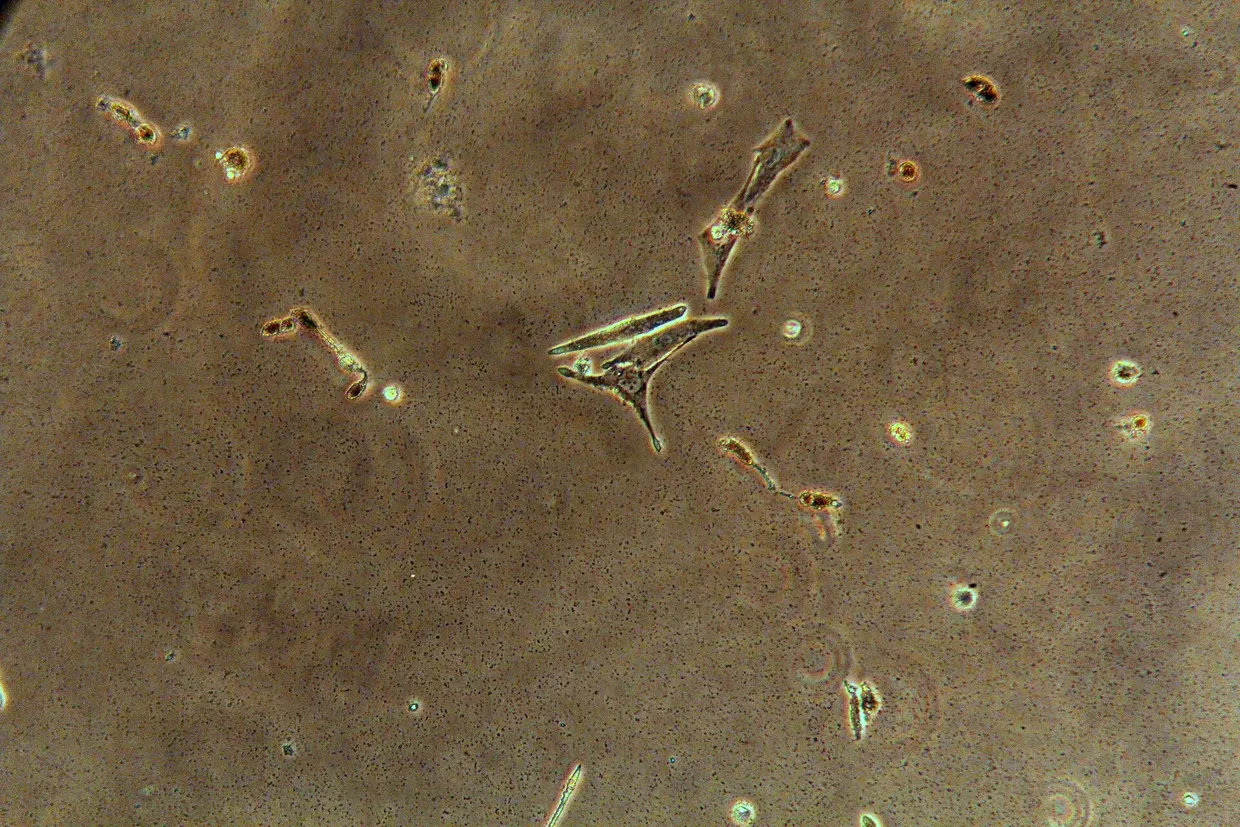
Researchers at the University of Michigan reported a small molecule, PBITE-1, that selectively binds the transcription factor ERG, a driver of prostate cancer long considered undruggable. The work was published on 7 July 2026 in the Proceedings of the National Academy of Sciences. The authors identified a ligandable pocket in the N-terminal Pointed (PNT) domain of ERG and showed that the compound suppresses growth of ERG-dependent cancer models pnas.org
Proceedings of the National Academy of Sciencespnas.orgOpen source ↗.
Why ERG is a hard target
The TMPRSS2:ERG gene fusion is present in approximately 50% of prostate cancers in patients of European ancestry and causes aberrant overexpression of ERG. The protein has no enzymatic activity and had appeared to lack pockets that a drug could occupy. In VCaP cells carrying the fusion, inducible shRNA depletion of ERG caused profound growth inhibition, which the authors interpret as continued dependency on ERG in metastatic prostate cancer.
Most current therapies target androgen receptors, which can activate the fusion. Blocking androgen signaling can slow the disease, but tumors often develop resistance, and treatment can cause side effects. Direct targeting of ERG could offer an alternative for patients whose tumors carry the fusion, according to the researchers.
How PBITE-1 was found and tested
The team ran a domain-focused differential scanning fluorimetry screen against the PNT domain; according to the university's account, more than 1,600 compounds were screened. Structure–activity optimization then yielded PBITE-1 pnas.org
Proceedings of the National Academy of Sciencespnas.orgOpen source ↗. NMR chemical-shift perturbation mapping and molecular docking placed the compound on a solvent-exposed surface formed by two α-helices and an adjacent flexible loop.
In cellular models, PBITE-1 directly engaged ERG, selectively inhibited proliferation and invasion, and induced apoptosis in ERG-driven prostate and hematologic malignancies. It suppressed growth of ERG-positive mouse and human-derived prostate cancer organoids. In VCaP xenograft models, treatment significantly increased tumor cell apoptosis.
PBITE-1 remains an experimental research tool, and its effects have not been established in patients. "Although it is unlikely that PBITE-1 is ready to become a drug any time soon, this study shows that ERG is a druggable target," said Arul Chinnaiyan of the Rogel Cancer Center. The authors state that the result enables future development of ERG-directed inhibitors and targeted protein degraders.
出典 · 2
誤りを見つけましたか?あわせて読みたい