GPR64 receptor: endosomal cAMP overrides plasma membrane RhoA signal in cells, PNAS study
Authors showed that endosomal Gs/cAMP signaling from one activated receptor outweighs concurrent plasma membrane RhoA activation, and in parathyroid cells suppresses hormone secretion.
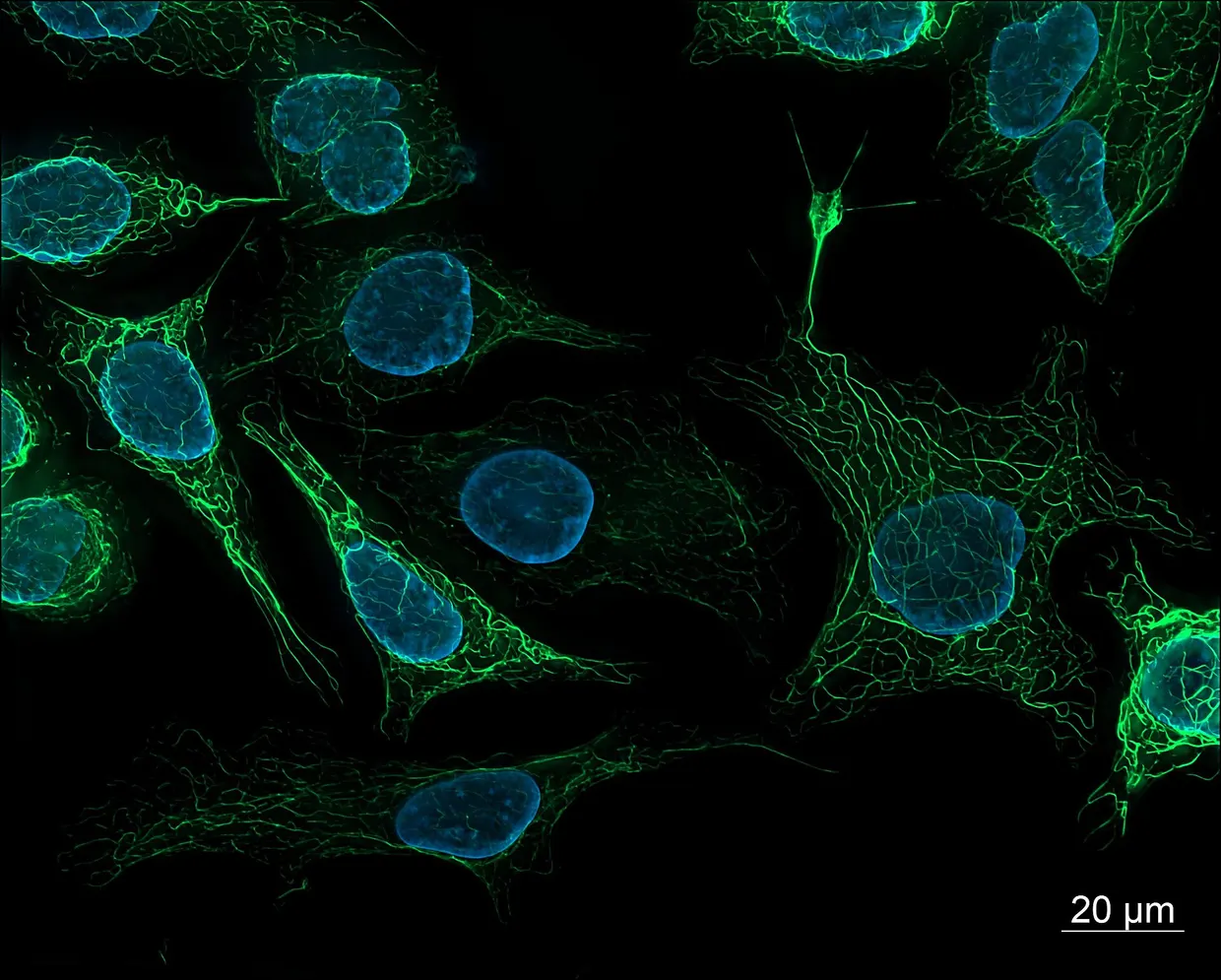
Researchers reported in the journal «Proceedings of the National Academy of Sciences» that the net response of a cell to a single activated receptor is set by where the signal originates, not only by which pathway is engaged pnas.org
Proceedings of the National Academy of Sciencespnas.orgOpen source ↗. The work used the adhesion G-protein-coupled receptor GPR64/ADGRG2 as a model system.
Two opposed signals from one receptor
Ligand activation engages two spatially distinct G-protein pathways: G13/RhoA activation at the plasma membrane and Gs/cAMP production that continues from endosomes after the receptor is internalized. According to the authors, these signals are not simply additive but functionally opposed.
The endosomal cAMP pool overrides the concurrent plasma membrane RhoA activation, so the net result is RhoA inactivation. Pharmacological blockade of endocytosis or of endosomal Gs inactivation completely reverses this outcome.
Effect in parathyroid cells
GPR64 is highly expressed in parathyroid cells. There, the dominance of the endosomal signal suppresses parathyroid hormone secretion independently of extracellular Ca2+ levels pnas.org
Proceedings of the National Academy of Sciencespnas.orgOpen source ↗.
The authors propose a model in which the subcellular compartment, rather than pathway identity, determines the dominant signal and the overall response of a single activated receptor. They note implications for understanding the complexity of GPCR signaling.