Daegu Catholic University team links intratumoral microbes to immunotherapy response in mouse model
Daegu Catholic University, MD Anderson and MSK authors report that tumor microbe load tracks interferon signaling; in colorectal cancer mice, fewer microbes weakened immunotherapy.
Daegu Catholic University announced on the 10th that Professor Jang Jeong-hoon of its College of Pharmacy, working with U.S. cancer research institutions, has identified a mechanism by which the amount of microbes inside tumors regulates the antitumor immune response and the effect of cancer immunotherapy, according to biz.heraldcorp.com biz.heraldcorp.com
biz.heraldcorp.combiz.heraldcorp.comOpen source ↗. The work was carried out jointly by researchers at the University of Texas MD Anderson Cancer Center and Memorial Sloan Kettering Cancer Center (MSKCC). Jang took part as a co-first author.
The results were published in the November 2026 issue of Cancer Discovery, an oncology journal issued by the American Association for Cancer Research (AACR). The journal has a five-year impact factor of 33.5, which places it in roughly the top 3% of oncology journals.
Seven tumor types and patient tissue
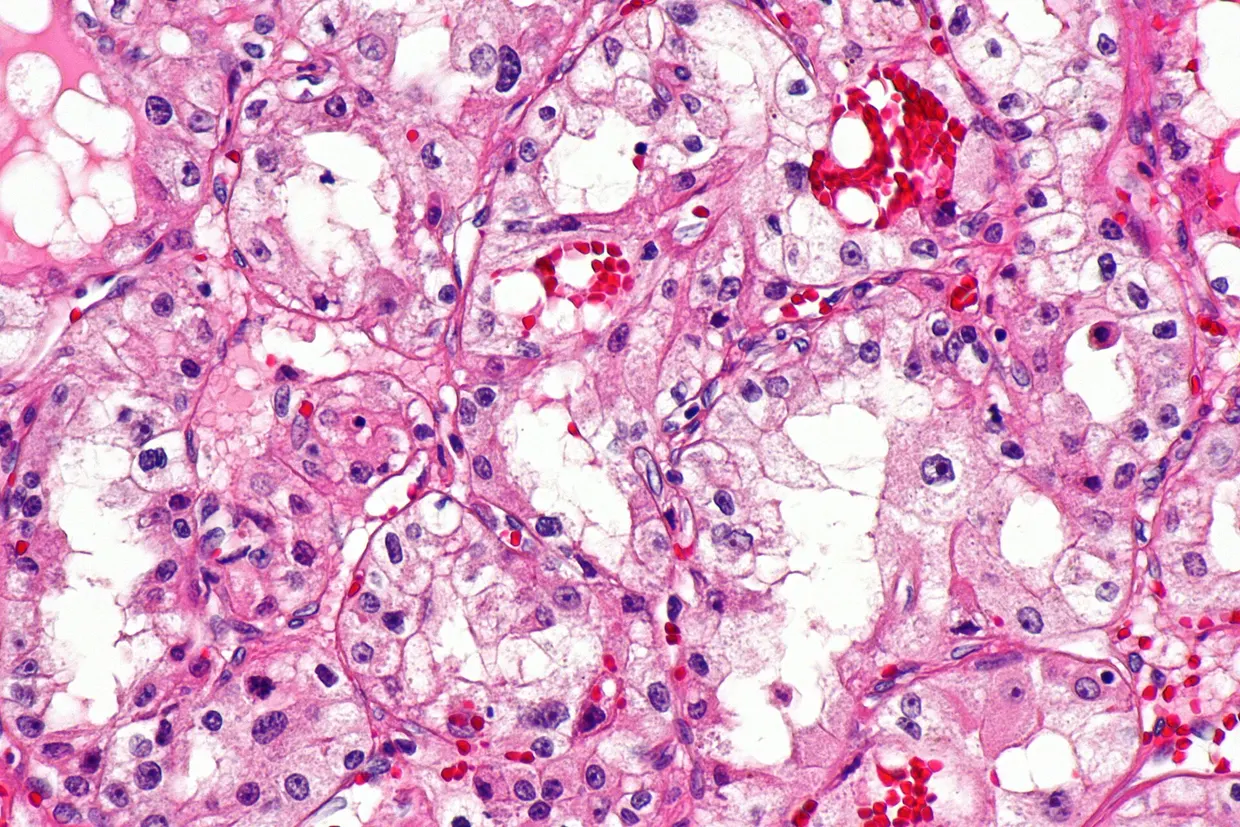
The team analyzed data from seven types of solid tumors, together with single-cell analysis of tissue from cancer patients. From these data they found that the amount of microbes inside a tumor is closely associated with interferon signaling, which regulates the immune response.
Colorectal cancer mouse model
In a mouse model of colorectal cancer, reducing the microbes inside the tumor weakened interferon signaling and weakened the effect of immunotherapy biz.heraldcorp.com
biz.heraldcorp.combiz.heraldcorp.comOpen source ↗. When the researchers raised the expression of interferon-related genes, the treatment response was restored. These experiments were carried out in mice.
The university notes that earlier studies concentrated on the gut microbiome. The new work shows that the amount of microbes present within cancer tissue itself influences the antitumor immune response.
Professor Jang said that information on intratumoral microbes could be an important clue for developing new strategies to predict each patient's response to immunotherapy and to improve its effect. The university said the findings are expected to be used for predicting response and for developing patient-specific treatment strategies; the article does not report any clinical trial of such an approach.
Fonti · 1
Hai trovato un errore?Leggi anche