Deep-pelagic animals in the Gulf of Mexico fell 60–85% in 3.5 years after the Deepwater Horizon spill
Net sampling and sonar recorded steep drops in fishes, crustaceans and cephalopods after the 2010 spill. The authors found no natural cause and point to the spill.
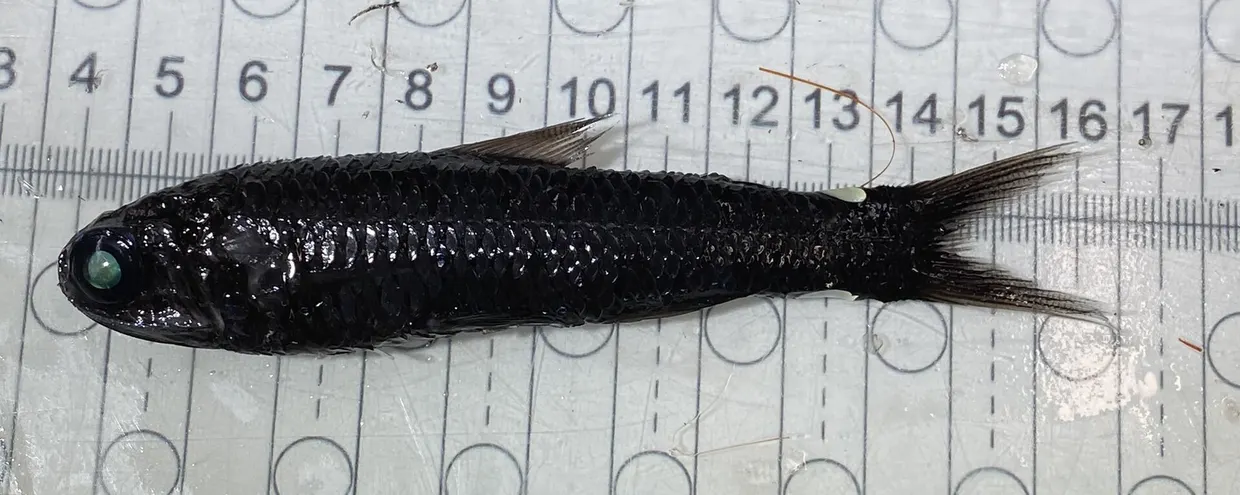
A team led by Tracey Sutton of Nova Southeastern University in Florida reported sudden, severe and persistent declines in deep-pelagic fishes, crustaceans and cephalopods in the Gulf of Mexico. The study appeared in the journal Proceedings of the National Academy of Sciences. Over a 3.5-year period, animal abundances fell by 60 to 85%, depending on the taxon pnas.org
Proceedings of the National Academy of Sciencespnas.orgOpen source ↗. The deep-pelagic habitat makes up 90.4% of the gulf's volume.
According to the authors, ecologically foundational groups such as euphausiids and lanternfishes were hit particularly hard. The decline has persisted for more than a decade. Sutton said sampling continued from 2015 and abundances stayed low, with a slight rise in 2022 and 2023 that was not statistically significant or lasting.
How the decline was measured
The survey made after the 2010 accident in 2011 covered the water column from the surface to a depth of 1,500 meters. About three and a half years later the team returned to the same area with the same equipment and found far less animal life. The decline was detected both by direct sampling and by acoustic sensing, which gave independent confirmation. Genomic analyses showed reduced genetic diversity among dominant taxa, which the authors describe as both a confirmation and a consequence of the decline.
The authors compared the drop with the California Current system, the only comparable dataset. The decline over these 3.5 years exceeded any seen there over 60 years, which the authors call the fastest and most severe faunal decline reported for Earth's largest ecosystem type pnas.org
Proceedings of the National Academy of Sciencespnas.orgOpen source ↗.
Possible cause
No natural factor correlated with the decline: not temperature, oxygen or food supply. The authors conclude that the proximate cause is anthropogenic. Because the decline began shortly after the Deepwater Horizon oil spill, they consider that event the most parsimonious explanation. Sutton also said this part of the gulf had not been studied before the 2010 spill.
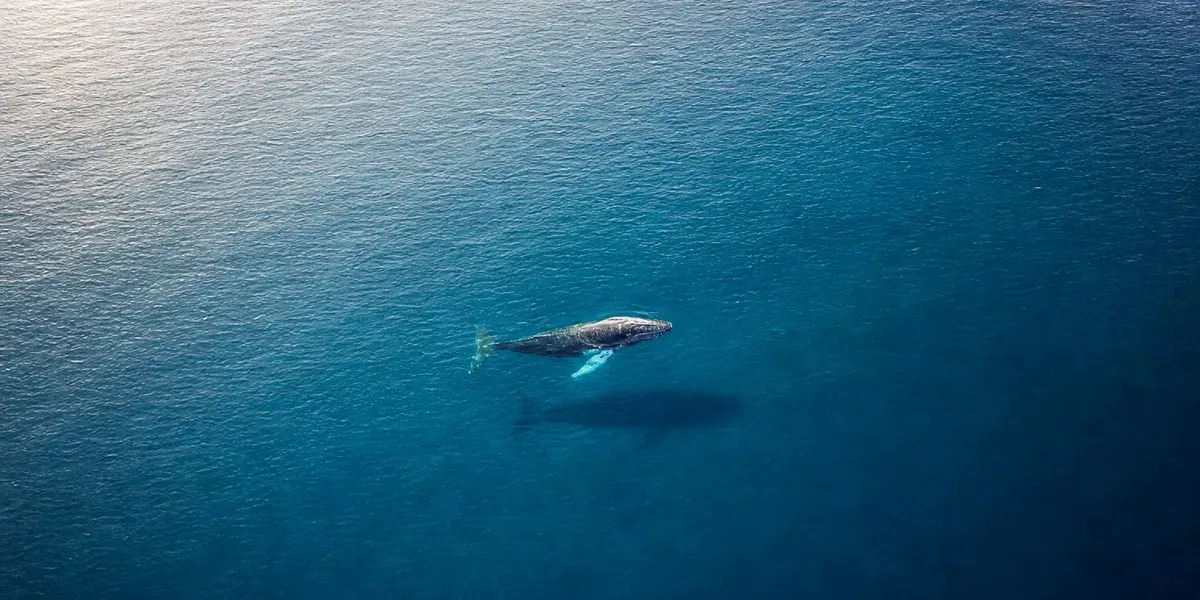
Resource managers report that the trends parallel those of managed or protected Gulf species that depend on deep-pelagic prey. These include endangered beaked whales and Rice's whale. The authors conclude that, despite its size, the deep-pelagic biome is vulnerable to human disturbance and has limited resilience for recovery.