Saharan dust shifted bacterial communities in Amazon air and tripled endotoxin at the ATTO tower
During a five-day dust intrusion, bacteria from drylands and marine environments replaced local ones at 42 and 323 m, while fungi stayed unchanged, the authors report.
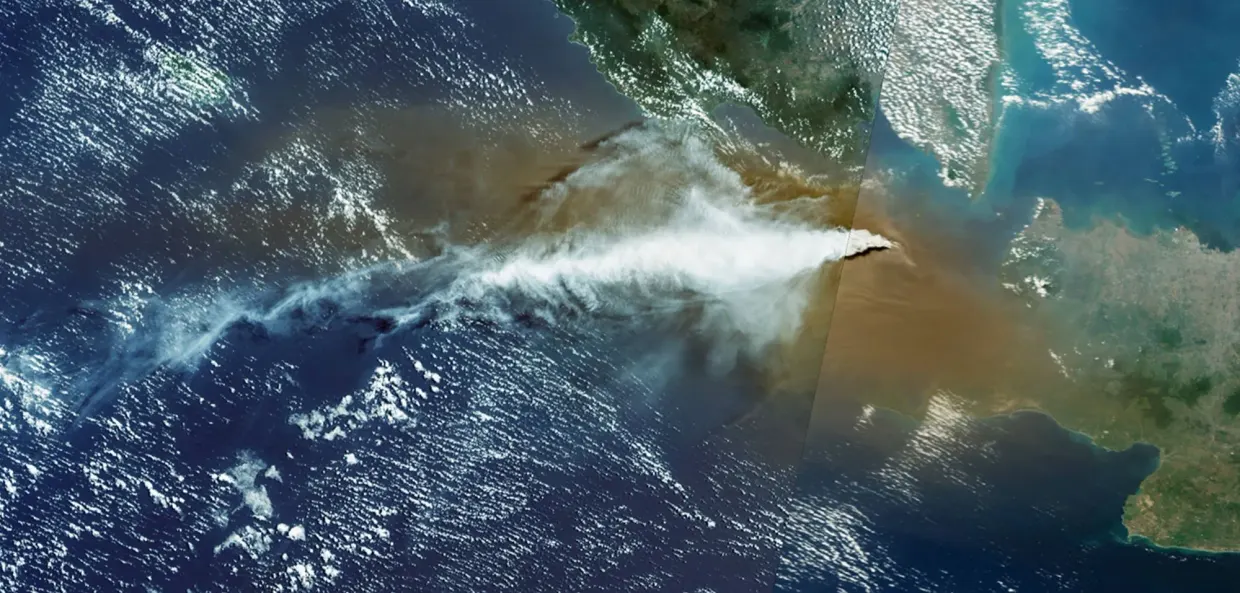
A team from the University of Graz and the Max Planck Institute for Chemistry, working with Brazilian partners, reported in Communications Earth & Environment (nature.com) that African dust carries microbial communities across the Atlantic into the Amazon rainforest nature.com
nature.comnature.comOpen source ↗. The researchers sampled air at the Amazon Tall Tower Observatory (ATTO) at 42 and 323 m above ground. They compared background conditions with a five-day North African dust intrusion in February 2020. Bacterial, fungal and archaeal communities were characterized in the samples.
Background air and the dust event
Under background conditions, bacterial communities varied with height and time, which the authors link to diverse local and transported sources. Fungal communities were stable and dominated by locally produced fungi. According to the Earth.com summary, filters were collected daily from 10 February to 2 March 2020, and the dust event fell between 18 and 22 February. Backward trajectory modeling indicated that the air masses came from North Africa.
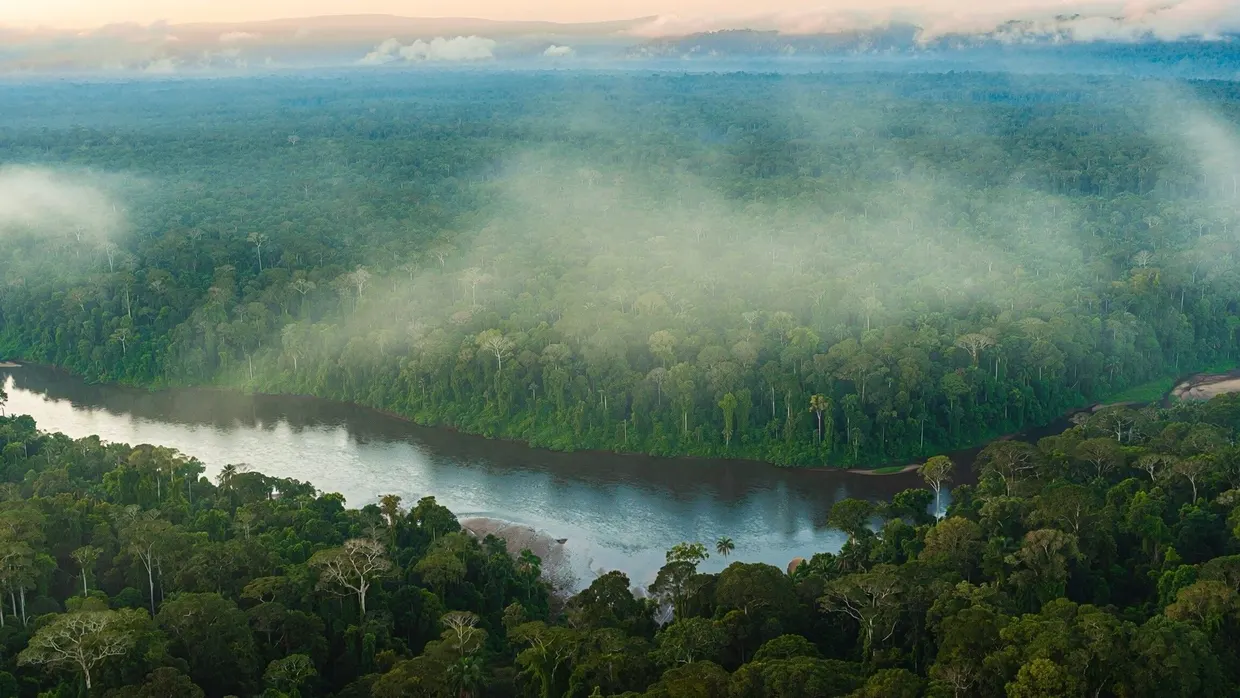
Mean aerosol mass concentration rose from about 2.7 micrograms per cubic meter under normal conditions to over 21 during the event, with a peak of 45.78, as reported in the same summary. The calcium content of the particles was consistent with Saharan mineral dust. The ATTO tower is about 325 m tall and stands in primary forest in Brazil's Uatumã Sustainable Development Reserve.
Bacteria, endotoxin and fungi
During the dust intrusion, bacterial communities shifted strongly towards microorganisms associated with dryland soils, biological soil crusts and marine environments nature.com
nature.comnature.comOpen source ↗. The Earth.com summary adds that the communities at the two heights converged on a similar profile. Endospore-forming bacteria of the phylum Bacillota, minor under background conditions, became dominant. Soil genera such as Clostridium, Brevibacillus and Tumebacillus were among those identified.
Airborne endotoxin concentrations increased threefold, without enrichment of obligate pathogens. Fungal communities did not change during the event.
The authors conclude that African dust is not only a source of mineral nutrients but also a vector of intercontinental microbial transport. They note potential consequences for ecosystem functioning, atmospheric processes and human health. The data come from a single five-day event recorded at one site.