Single dose of intranasal mebufotenin cut depression scores in a phase 2b trial of 193 adults
In a phase 2b trial, one intranasal dose of mebufotenin benzoate lowered depression scores in treatment-resistant patients; most were ready for discharge within 2 hours.
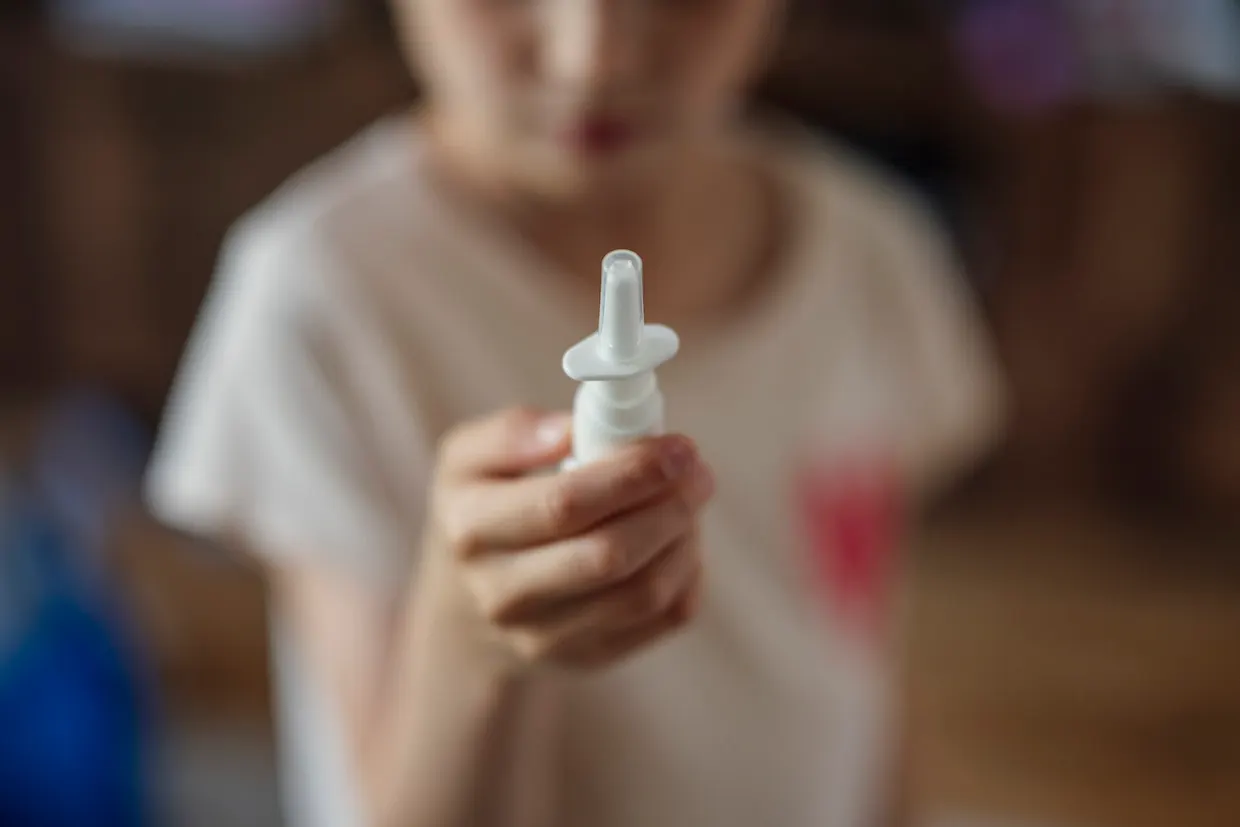
A phase 2b randomized, double-blind trial published in JAMA tested a single intranasal dose of mebufotenin benzoate (5-methoxy-N,N-dimethyltryptamine) in 193 adults with treatment-resistant depression. The study ran from September 2023 to April 2025 at 38 sites in Australia, Europe and the US, with an 8-week blinded follow-up. jamanetwork.com
JAMAjamanetwork.comOpen source ↗ Mebufotenin is a 5-HT1A and 5-HT2A agonist associated with brief psychedelic experiences.
Trial design
Participants were aged 18 to 75 years and had moderate to severe major depressive disorder that had not responded to 2 to 5 antidepressants in the current episode. After antidepressant washout as needed, they were randomly assigned to a single dose of 8 mg (n = 46), 12 mg (n = 73) or 0.3 mg (n = 74), the last serving as a low-dose comparator. All received psychological support. The mean age was 41 years (SD, 11.1), and 59.1% of participants were female.
The primary end point was the change in total Montgomery-Åsberg Depression Rating Scale (MADRS) score from baseline to day 29, comparing 12 mg with 0.3 mg. The scale runs from 0 to 60, and higher scores mean more severe depression. Eighteen secondary end points were assessed for the 12-mg and 8-mg doses against 0.3 mg. Discharge readiness was assessed starting 90 minutes after dosing.
Results
At day 29, the mean MADRS change was -11.1 (SD, 11.6) with 12 mg and -5.5 (SD, 9.9) with 0.3 mg; the mean difference was -5.3 (95% CI, -8.9 to -1.8; P = .003). With 8 mg the change was -12.5 (SD, 12.7), a difference of -6.2 from the comparator (95% CI, -10.2 to -2.1; P = .003). jamanetwork.com
JAMAjamanetwork.comOpen source ↗ The reductions with 8 mg and 12 mg were similar and were significantly greater than with 0.3 mg at all other time points from 2 to 57 days after dosing.
Response rates at day 29 were 35% (8 mg), 34% (12 mg) and 12% (0.3 mg). Remission rates were 26%, 18% and 8%, respectively.
Treatment-emergent adverse events were reported by 76%, 85% and 73% of participants in the 8-mg, 12-mg and 0.3-mg groups, and 99.7% of all events were mild or moderate. Within 2 hours after dosing, 85% of participants in the 8-mg group and 78% in the 12-mg group were deemed ready for discharge.
The authors concluded that single doses were well tolerated and produced rapid and durable reductions in depressive symptoms, and that a shorter monitoring period and fewer clinic visits may ease access compared with psilocybin and esketamine. The results cover one treatment session. The trial is registered at ClinicalTrials.gov, NCT05870540. jamanetwork.com
JAMAjamanetwork.comOpen source ↗
स्रोत · 2
कोई ग़लती मिली?यह भी पढ़ें