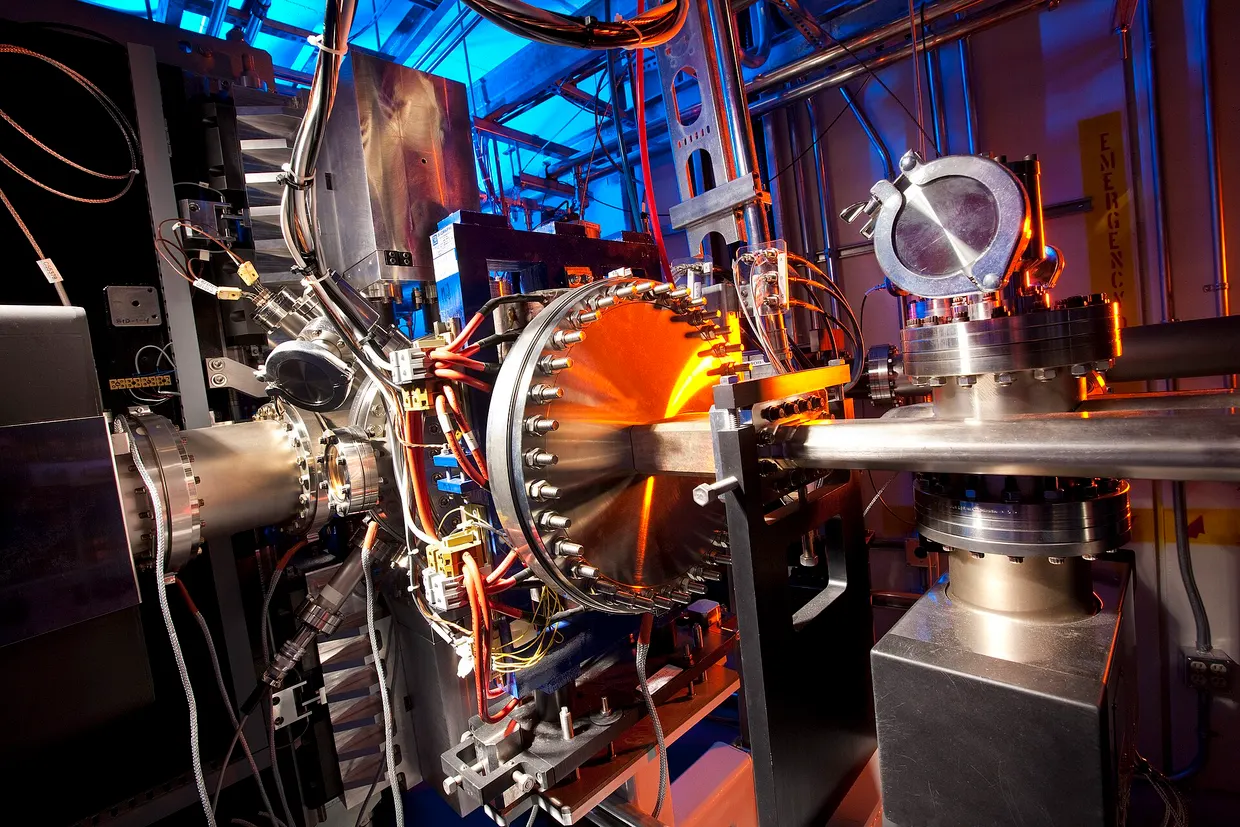
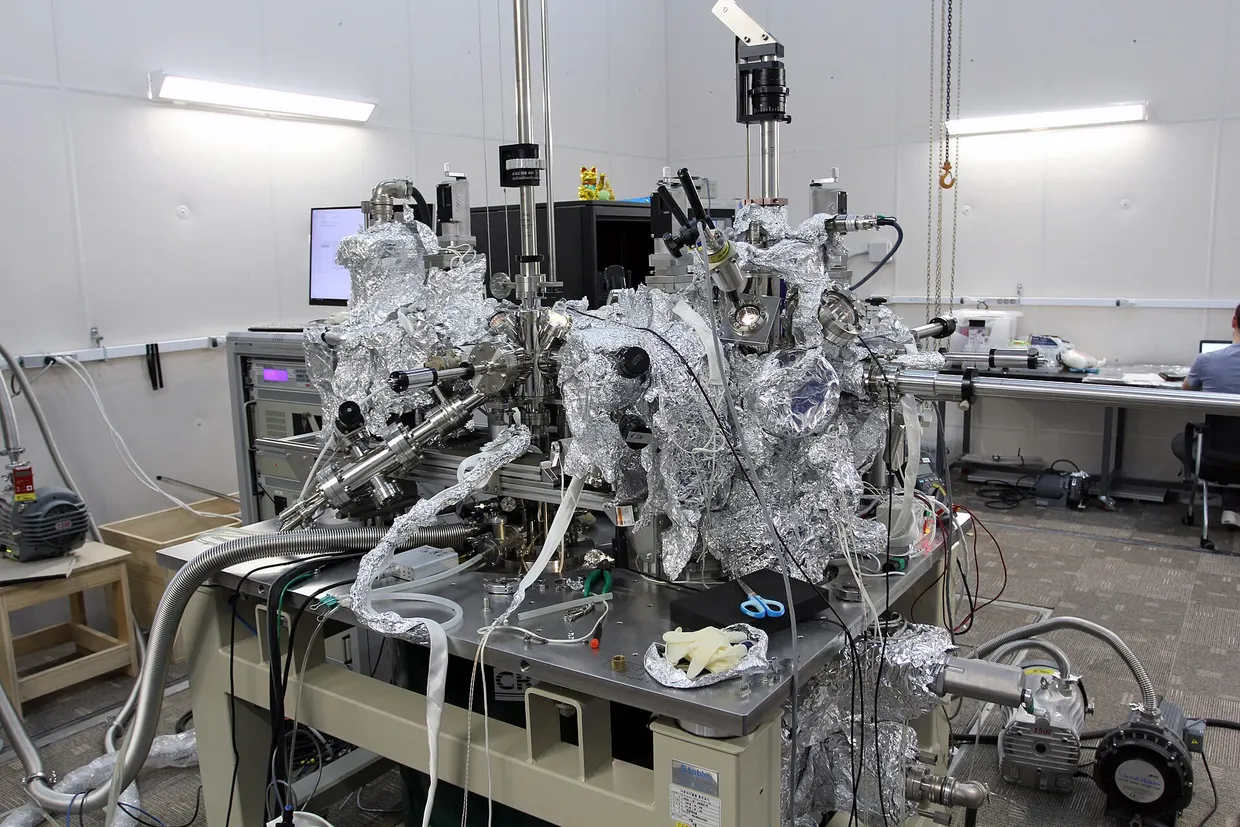
TU Wien builds first self-stabilizing thorium nuclear clock prototype, stable for over 24 hours
A prototype at TU Wien locks a laser to thorium nuclei without a conventional atomic clock. Its precision is about 10^-15, still below the best optical atomic clocks.
Researchers at TU Wien in Vienna have built what they describe as the first nuclear clock that stabilizes itself, as atomic clocks do, according to a report on eurekalert.org. eurekalert.org
eurekalert.orgeurekalert.orgOpen source ↗ The system remained stable for more than 24 hours without intervention. The team led by Prof. Thorsten Schumm at the Institute of Atomic and Subatomic Physics reports a precision of about 10 to the power of minus 15, corresponding to an error of roughly one second in 30 million years.
From the thorium transition to a working clock
Thorium nuclei have two energy states whose energies lie extremely close together. Because the gap is so small, a laser can switch the nucleus from one state to the other. In other nuclei the gaps are much larger, and they do not respond to laser light.
In April 2024, Schumm's team and the group of Prof. Ekkehard Peik at PTB Braunschweig found this transition for the first time and showed that thorium nuclei can be excited with laser beams. In the autumn of the same year, the excitation apparatus was coupled to a conventional optical atomic clock, and the thorium nuclei served as the timekeeper. That setup was not yet a self-stabilizing nuclear clock.
How the self-stabilization works
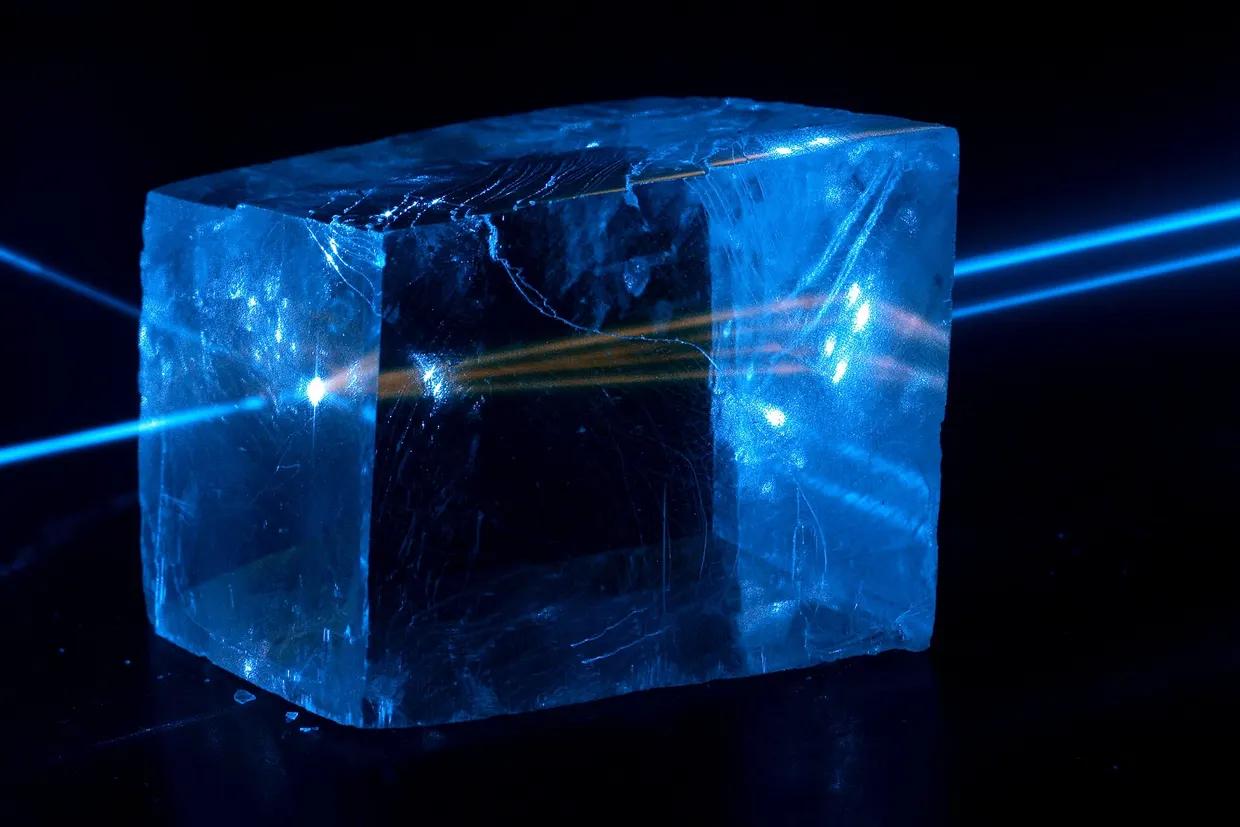
At the core of the clock is a thorium-containing crystal produced at TU Wien and irradiated with a laser. The laser frequency can shift from time to time, for example because of temperature fluctuations. eurekalert.org
eurekalert.orgeurekalert.orgOpen source ↗ The thorium nuclei absorb light only when the frequency is exactly right. If the frequency moves away from the optimum, absorption decreases measurably, and the laser frequency is automatically readjusted. As a result, the clock does not have to rely on a conventional atomic clock.
According to Schumm, atomic nuclei are more than ten thousand times smaller than atoms and react more weakly to external disturbances, so in principle higher precision is possible. The precision was investigated over the course of a day. It is not yet at the level of the world's best optical atomic clocks, but Schumm called it a fantastic result for a first prototype. The team plans to improve it with several measures, including stronger lasers and better thorium crystals.