SunDrive and Space Machines Company develop copper HJT solar panel for the 200 kg Optimus Viper spacecraft
The Australian companies will build a body-mounted panel with copper-metallised HJT cells and test it in thermal vacuum. SMC says Australian programs now import arrays.
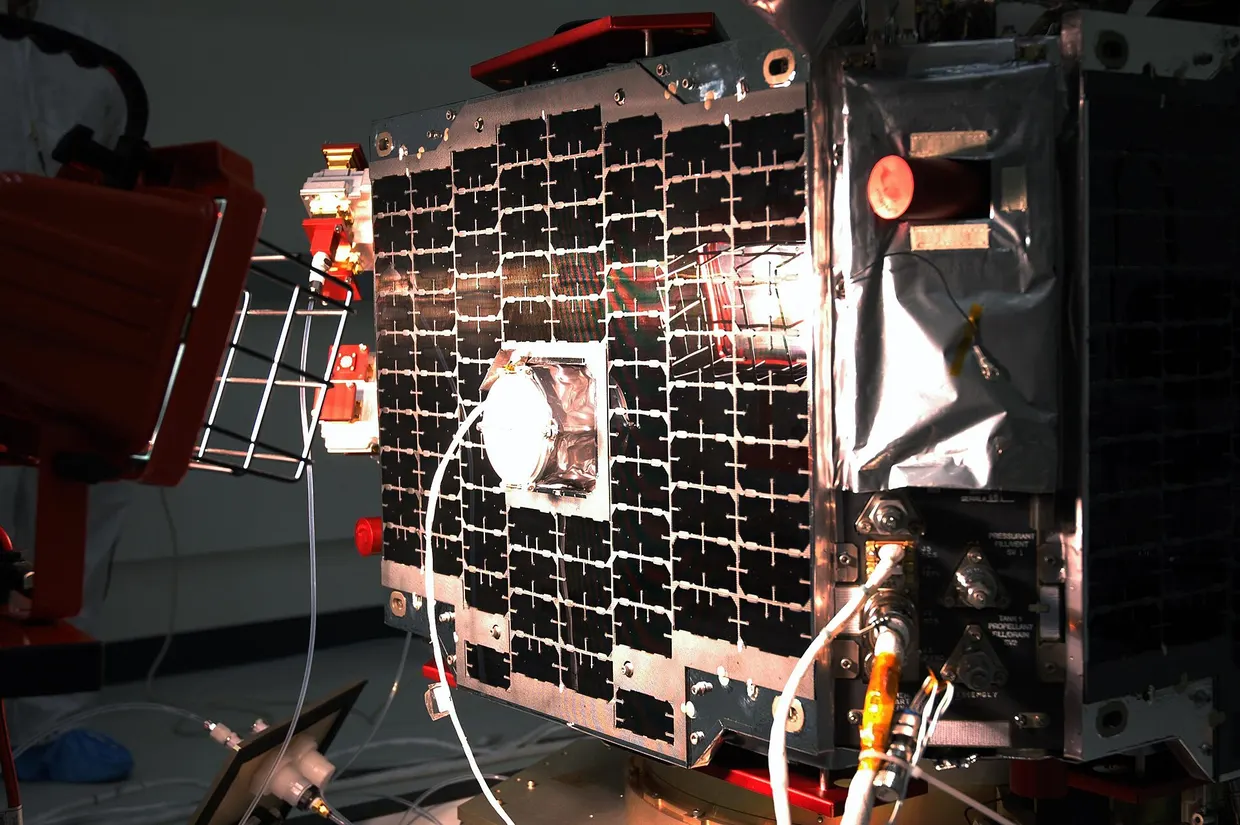
Australian solar cell developer SunDrive Solar has teamed with Space Machines Company (SMC) to develop its copper-based heterojunction (HJT) solar cell technology for spacecraft, pv-magazine.com reports. The aim is to establish an Australian source of solar arrays for commercial spacecraft and satellites pv-magazine.com
pv-magazine.compv-magazine.comOpen source ↗. The work is a research and development collaboration built around SMC's Optimus Viper program.
Copper metallisation and the Optimus Viper panel
SunDrive was spun out of the University of New South Wales (UNSW). It has developed a proprietary copper electroplating technology that replaces silver in solar cell metallisation, aiming to reduce manufacturing costs and improve efficiency. The company's cells are ultra-thin and lightweight. Co-founder and Chief Technology Officer Vince Allen said these qualities matter in orbit, where every gram of array mass is a trade against payload.
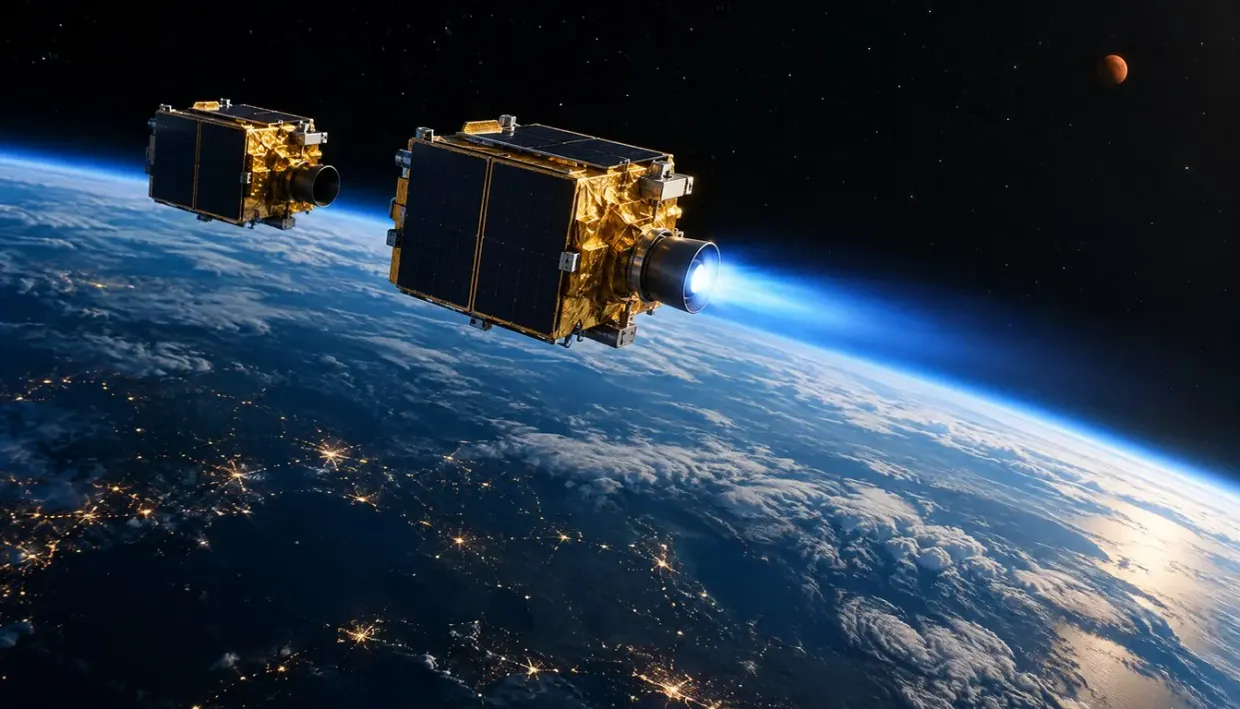
Under the collaboration, the companies will produce a body-mounted solar panel for Optimus Viper, a 200 kg vehicle designed for autonomous operations across Low Earth Orbit. SMC is focused on developing sovereign space transportation capabilities for Australia.
Division of work and testing
SunDrive will lead cell selection, module design, lamination and electrical characterisation. SMC will lead substrate design, structural and thermal analysis of the panel, assembly and testing, and mounting the panel on a structural model of Optimus Viper. The two companies will jointly develop the process for bonding solar modules to the panel substrate pv-magazine.com
pv-magazine.compv-magazine.comOpen source ↗.
The parties said the panel will undergo environmental testing, including thermal-vacuum and vibration tests. These will produce the engineering and performance data needed to move towards a flight-ready solar array.
SMC co-founder and Chief Executive Officer Rajat Kulshrestha said solar arrays are among the most critical and costly parts of any spacecraft. He said Australian satellite programs currently depend on imported space-grade arrays, which limits both cost and supply. SunDrive CEO Natalie Malligan said demand is growing for power systems that are high-performance, resilient, lightweight and scalable, and that both companies want more of this value chain to stay in Australia.