UCSF finds gut nutrient signals teach the mouse brain to like tastes via dopamine in the amygdala
UCSF researchers report in Nature that gut nutrient signals trigger dopamine in the mouse amygdala, teaching the brain to find a taste rewarding.
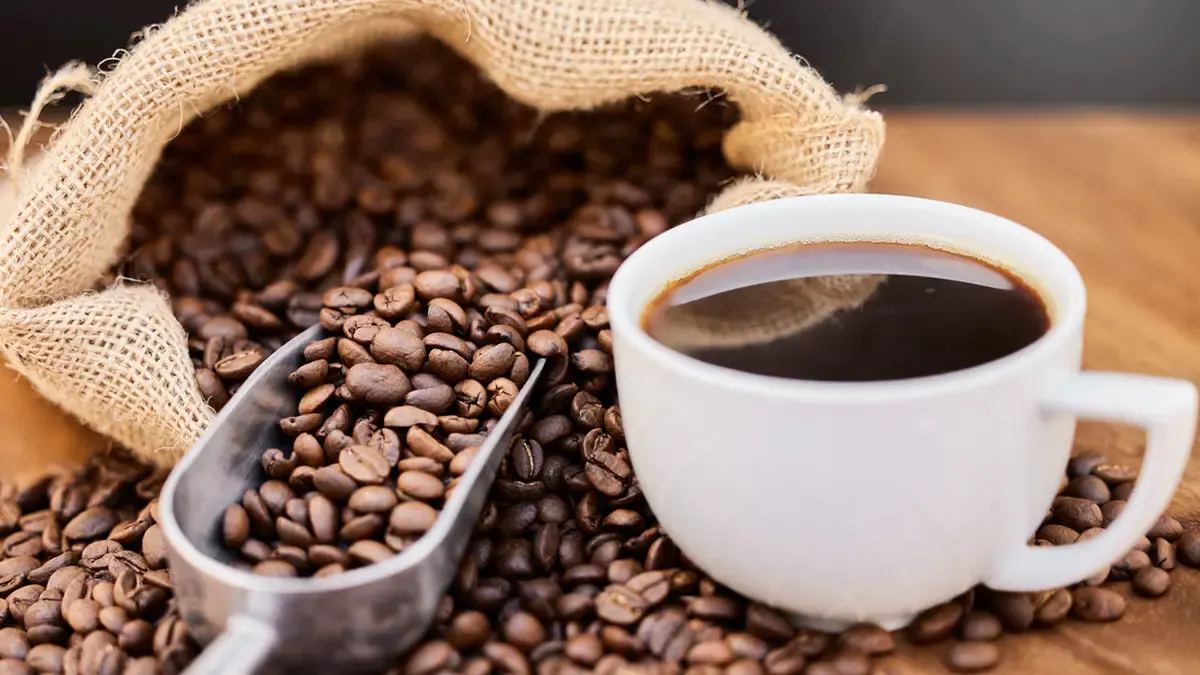
Researchers at the University of California, San Francisco (UCSF) described a gut-to-brain pathway that influences dopamine release and may help explain why people come to like initially unpleasant tastes such as plain coffee, according to Mynet. mynet.com
Mynetmynet.comOpen source ↗ The study was published on 4 November in Nature. Dopamine is a chemical messenger involved in motivation, reward and learning.
Senior author Zachary Knight, professor of physiology at UCSF, said that a slow-acting dopamine system helps people learn over time to like particular foods. In his account, when the brain links the taste of coffee with the stimulating effect of caffeine, a taste that was disliked at first can become more pleasant.
Experiments in mice
To separate the effects of taste from the effects of nutrients reaching the digestive tract, the team delivered sugar water or a milkshake-like liquid directly into the stomachs of mice. They observed a strong, prolonged dopamine response in the anterior part of the basolateral amygdala (BLA), a brain region linked to emotional processing and learning.
When the pathway was switched off, the mice kept eating normally but could not learn to associate a new taste with calorie intake. mynet.com
Mynetmynet.comOpen source ↗ In the reverse experiment, dopamine fibres in the BLA were activated artificially while the animals encountered a calorie-free taste. The mice then developed a preference for that taste.
Signs of the same mechanism in humans
To see whether the mechanism exists in people, the authors evaluated earlier brain imaging data. A PET study with 13 men, reanalysed by Dana Small, examined dopamine release after a milkshake or a calorie-free drink. The response after nutrients reached the digestive tract was concentrated in the left BLA. A separate functional MRI study by Marc Tittgemeyer and colleagues, with 38 adults, found increased activity in the same region after glucose intake.
In both mice and humans, the response in the left BLA was stronger than in the right. The authors called this notable, since brain networks governing basic functions such as feeding are generally expected to work more symmetrically. Why the left side is more active is not yet known.
The effect of GLP-1 drugs on this mechanism was not examined directly. Knight raised the possibility that some of their effects are linked to reduced gut-to-brain dopamine signalling, which would make food less rewarding for the brain. This is a hypothesis that remains to be tested, not an established result. mynet.com
Mynetmynet.comOpen source ↗