University of Salento excavates more of a Roman harbour at Le Cesine, Italy, underwater and onshore
Divers and land teams found a harbour section probably from the Augustan period and a building possibly used for wine production; samples should identify the quarry.
Researchers from the University of Salento have uncovered further parts of a Roman harbour at Le Cesine, in the San Giovanni district of the municipality of Vernole in Italy, according to futurezone.de futurezone.de
futurezone.defuturezone.deOpen source ↗. The teams, led by Professor Rita Auriemma, worked underwater and onshore at the same time. The find suggests that the Romans used the coast farther north much earlier than previously assumed.
Underwater survey of the harbour
Divers examined a section of the harbour structure that they probably date to the Augustan period, between the 1st century BC and the 1st century AD. The team also clarified how the builders constructed it. Together with the National Research Council in Lecce, the researchers took samples from the large foundation blocks. Once the analyses are complete, the samples are meant to help determine the quarry from which the materials came.
Onshore excavation and a possible wine facility
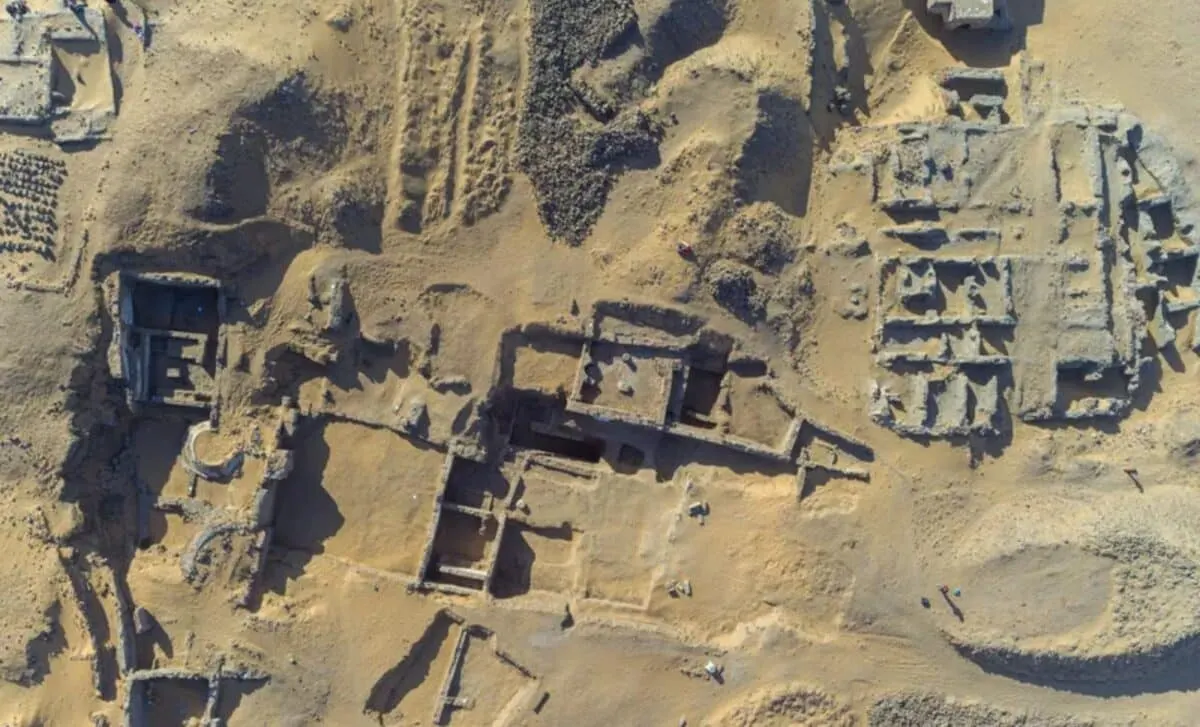
Onshore, the excavation area grew markedly compared with the previous year, according to a press release from the University of Salento. The researchers found the remains of another building there, which specialists think could have been a wine production site. It might belong to a larger settlement where workers processed goods from the hinterland. The location would have allowed goods to be loaded directly onto small boats bound for Brindisi or onto larger ships for long distances.
Le Cesine is a nature reserve. Archaeologist Antonella Pansini calls for a joint protection strategy for the monument and the landscape futurezone.de
futurezone.defuturezone.deOpen source ↗. In recent months the team opened the site for guided tours and archaeological walks under the supervision of the researchers.
The municipality of Vernole intends to keep supporting the project so that the site can be experienced by visitors in the future. Mayor Mauro De Carlo said that knowing this stretch of coast was a harbour and a workplace two thousand years ago "gives us back a piece of our history".