Wood-rotting fungus formed different networks on cross and circle layouts in Tohoku University study
In a 2024 lab study, the fungus Phanerochaete velutina attached more cords to outer blocks in a cross but not in a circle. The authors link this to possible pattern recognition.
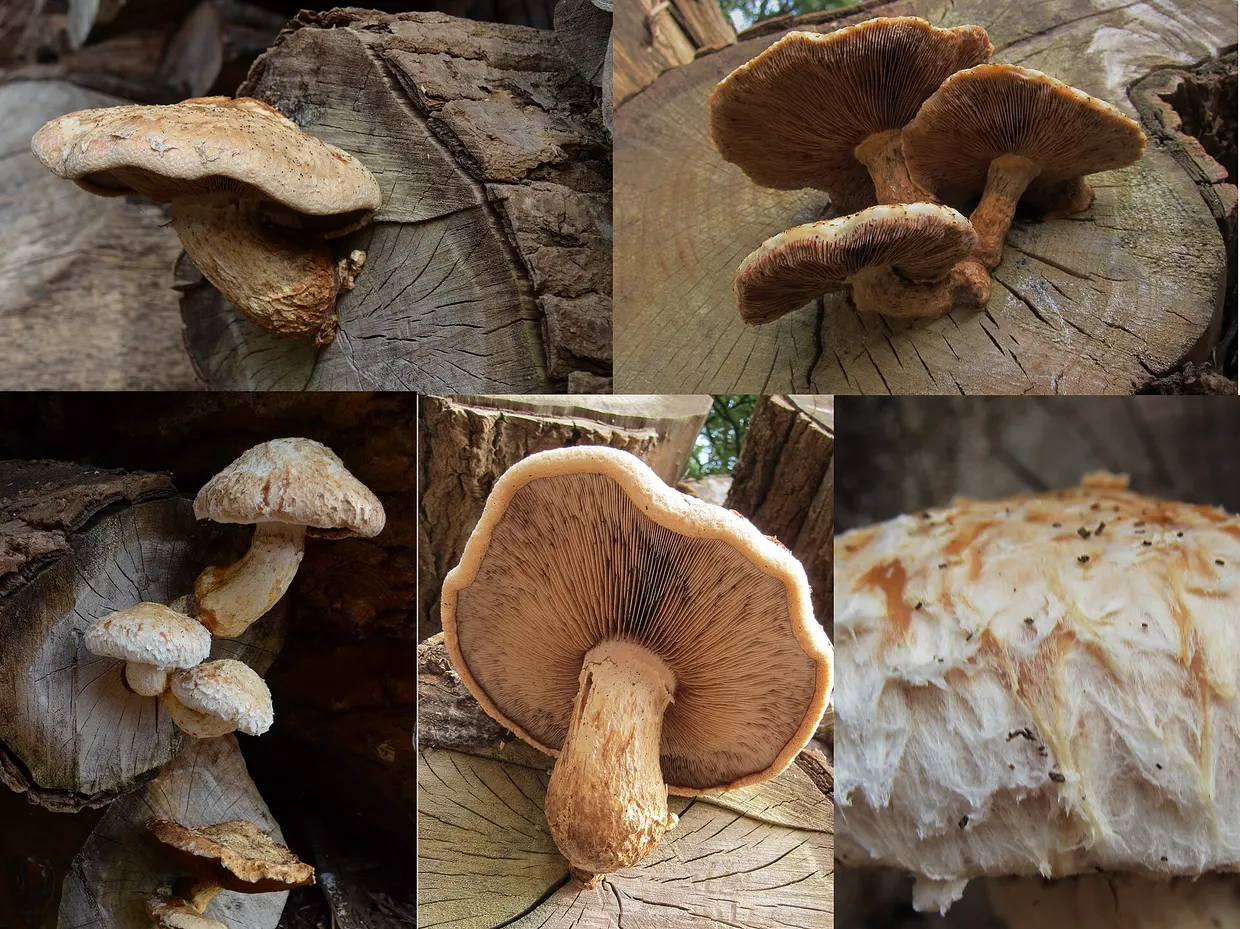
A team led by Yu Fukasawa at Tohoku University in Japan, with colleagues at Tohoku and Nagaoka College, reported in a 2024 study that the wood-rotting fungus Phanerochaete velutina built different networks on cross-shaped and circle-shaped layouts of wood blocks, according to Earth.com earth.com
Earth.comearth.comOpen source ↗. In the cross, the fungus attached more cords to the outer blocks than to the inner ones. In the circle, no such pattern appeared and the center was left bare. The researchers suggested the difference may be a form of pattern recognition.
How the experiment was set up
The team cut beech wood into cubes less than 1 cm on a side, weighed them and let the fungus grow into them for six weeks. Nine cubes were then placed on each tray of damp soil, in a circle or a cross, 5 cm apart. Each tray was about 24 cm square, with ten trays of each shape.
The trays stayed in the dark at 20°C for 116 days. Once a week they were misted with sterile water and moved around the incubator, and a camera 46 cm above photographed each tray monthly. At the end, the researchers counted the cords on each block, then dried and weighed the blocks to measure wood decay.
Cords, decay and the empty center
In the cross, the four blocks at the ends of the arms had more cords than the four middle blocks and the central one, with counts from zero to nine. In the circle, no position had reliably more cords than another earth.com
Earth.comearth.comOpen source ↗. The team had expected the central block, with four neighbors, to be the most connected. It suggested the outer blocks may have worked as outposts that absorbed water and nutrients from the soil.
Blocks with more cords lost more wood. Dry weight loss ranged from 18% to 65.5% in the circle and from 16.7% to 62.7% in the cross. Without the extreme blocks, those with no cords or nine, the difference between shapes faded, while the link between cords and decay remained. The fungus spread about the same amount of thread over the soil in both shapes.
In the circle trays, a large bare patch had formed at the center by day 34. The team cannot yet explain it and raised crowding of threads as one possibility. It also proposed that synchronized rhythms of calcium, material flow and electrical activity might carry spatial information, but this experiment did not measure them. Whether the tray lids affected the empty center is also unresolved; a tray without a lid would test it. The study was published in Fungal Ecology.