Study of 19,548 adults links low alcohol intake to increased blood pressure
An analysis of seven international cohorts shows systolic blood pressure increases even with 12 grams of alcohol consumed per day.
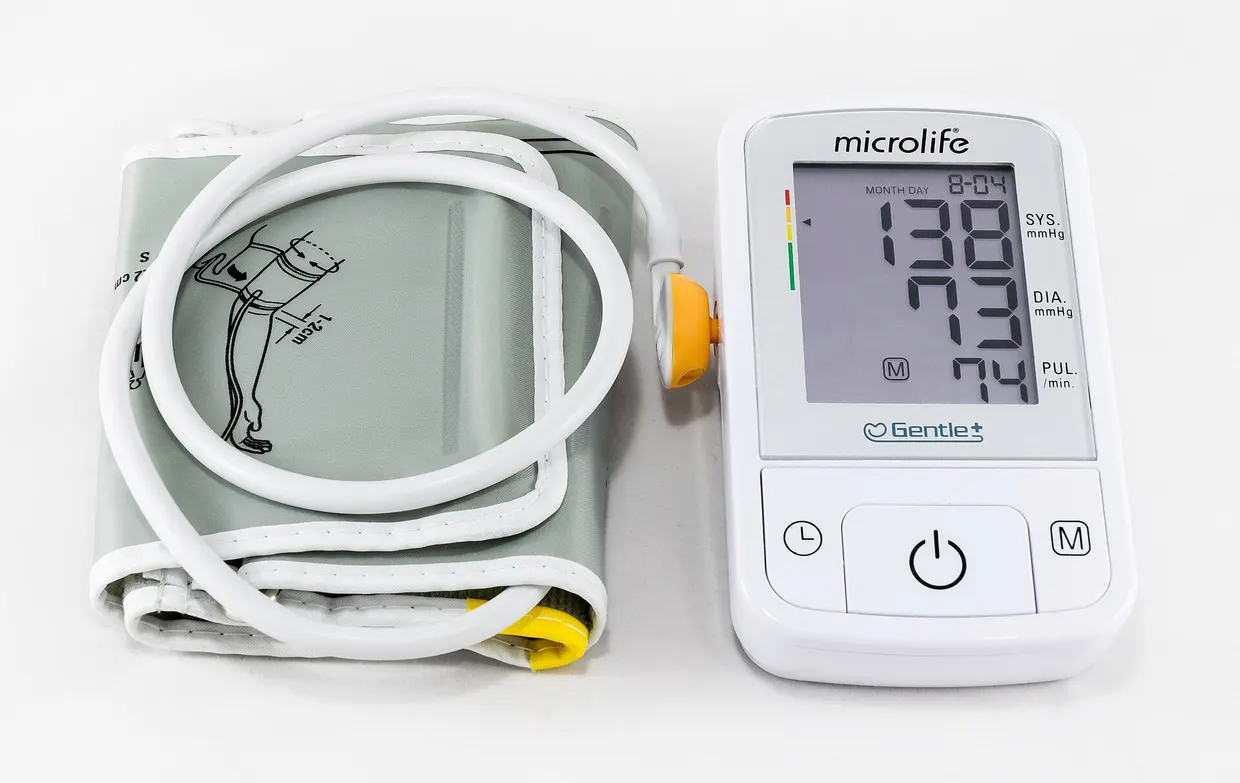
An international meta-analysis of data from seven longitudinal studies involving 19,548 participants from the United States, Korea, and Japan demonstrated that routine alcohol consumption, even at low daily levels, is associated with a measurable increase in blood pressure over time, mirror.co.uk reported mirror.co.uk
mirror.co.ukmirror.co.ukOpen source ↗. The research, published in the journal Hypertension, tracked subjects for a minimum of five years and quantified intake using grams of alcohol rather than standard drink counts.
Blood Pressure Measurements
The authors observed that participants consuming an average of 12 grams of alcohol daily experienced an average increase in systolic blood pressure of 1.25 mm Hg. For individuals consuming 48 grams of alcohol each day, systolic blood pressure rose by an average of 4.9 mm Hg. Diastolic blood pressure changes were sex-specific: men who consumed 48 grams per day had an average increase of 3.1 mm Hg, while a corresponding diastolic shift was not observed among women.
Observational Findings
Lead investigator Professor Marco Vinceti from the University of Modena and Reggio Emilia and Boston University noted that the researchers identified no protective or beneficial blood pressure trends associated with low alcohol intake compared to total abstinence. Study co-author Paul Whelton from Tulane University stated that the association between alcohol consumption and blood pressure changes was stronger in individuals who had higher baseline readings before follow-up. A British Heart Foundation specialist noted that because the study analyzed observational data, the results indicate an association rather than direct causation.
स्रोत · 1
कोई ग़लती मिली?यह भी पढ़ें