Canon Aplio i700 ultrasound system scanned living corals underwater to detect eggs
Scientists used a hospital ultrasound system to track coral egg development non-invasively, replacing destructive dissection methods.
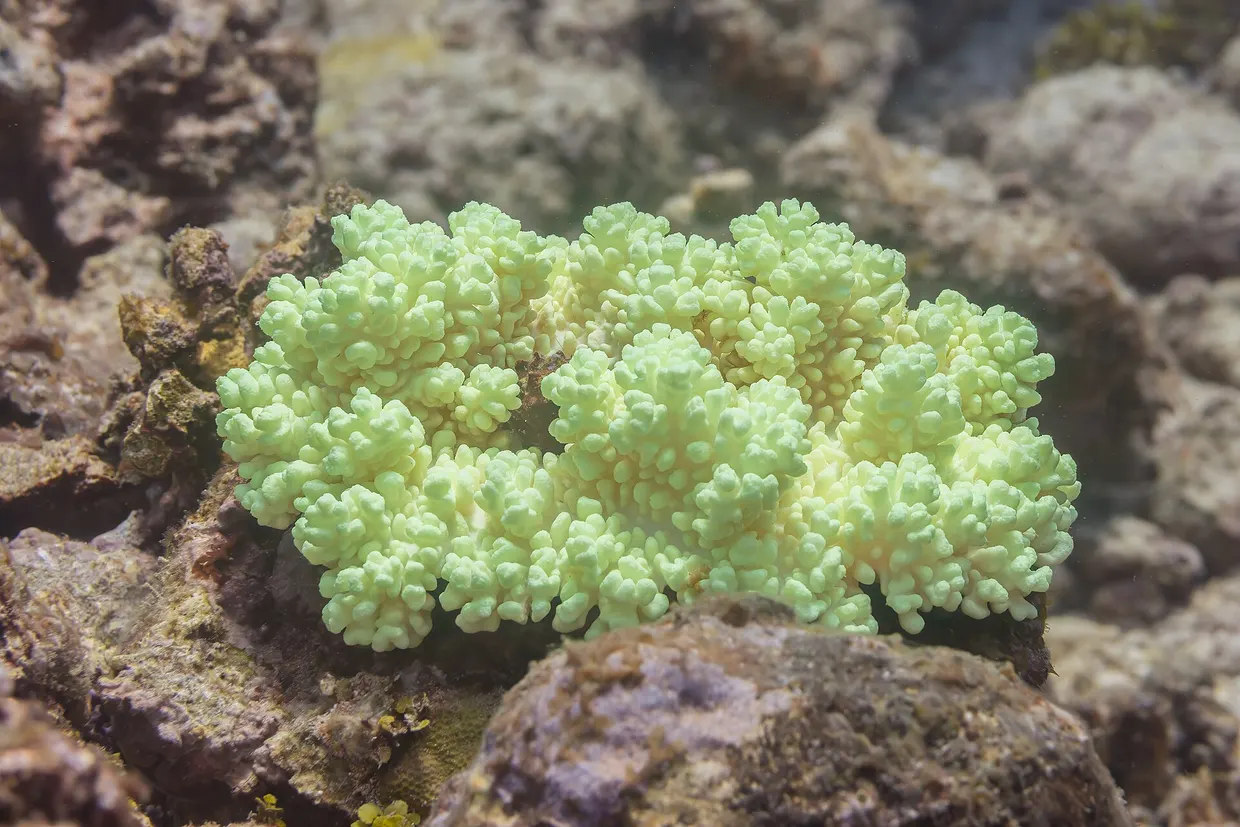
Scientists at Coral Spawning International (CSI) used a clinical medical ultrasound scanner to detect developing eggs inside living corals underwater without cutting tissue, New Atlas reported newatlas.com
New Atlasnewatlas.comOpen source ↗. The project was conducted as part of Canon EMEA's World Unseen initiative.
Researchers deployed a Canon Aplio i700 ultrasound platform, an instrument designed for clinical hospital use. High- and ultra-high-frequency probes were covered in gel, placed in protective sheaths, and operated underwater in shallow tanks. The team examined six species of large polyp stony (LPS) corals originating from Indonesia, the Caribbean, and Australia. Prior to this trial, assessing coral reproductive status required damaging the specimens: researchers typically had to break branches off branching colonies or cut into LPS corals to verify gamete presence, as coral eggs can measure as small as 300 microns.
Verification of oocyte development
To confirm the ultrasound readings, the researchers fragmented one specimen of Trachyphyllia geoffroyi and matched the scan displays with macro photographs of the dissected internal tissue. The comparison verified that oocyte development was visible on the sonogram screens. This non-invasive visual tracking could support sexual coral reproduction initiatives, which preserve genetic diversity better than clonal coral gardening but require precise timing ahead of annual spawning events.
Next stages of testing
The technique remains in an early stage of experimental evaluation. So far, comparative tissue verification has been carried out on T. geoffroyi alone, and formal findings have not yet appeared in a peer-reviewed publication newatlas.com
New Atlasnewatlas.comOpen source ↗. Over the next six months, the research group plans to isolate the corals daily, track exact spawning dates when gametes are released, and correlate those events with the ultrasound data.
Specialists from Canon Medical Systems UK noted that adapting these probes for submerged operation could also provide insights for minimally invasive surgery and dermatology.