Ethiopian water mouse found again in Yayu Biosphere Reserve after almost 100 years without records
Researchers caught a Nilopegamys plumbeus in southwest Ethiopia. Until now, knowledge of the species rested on a single animal described in 1928.
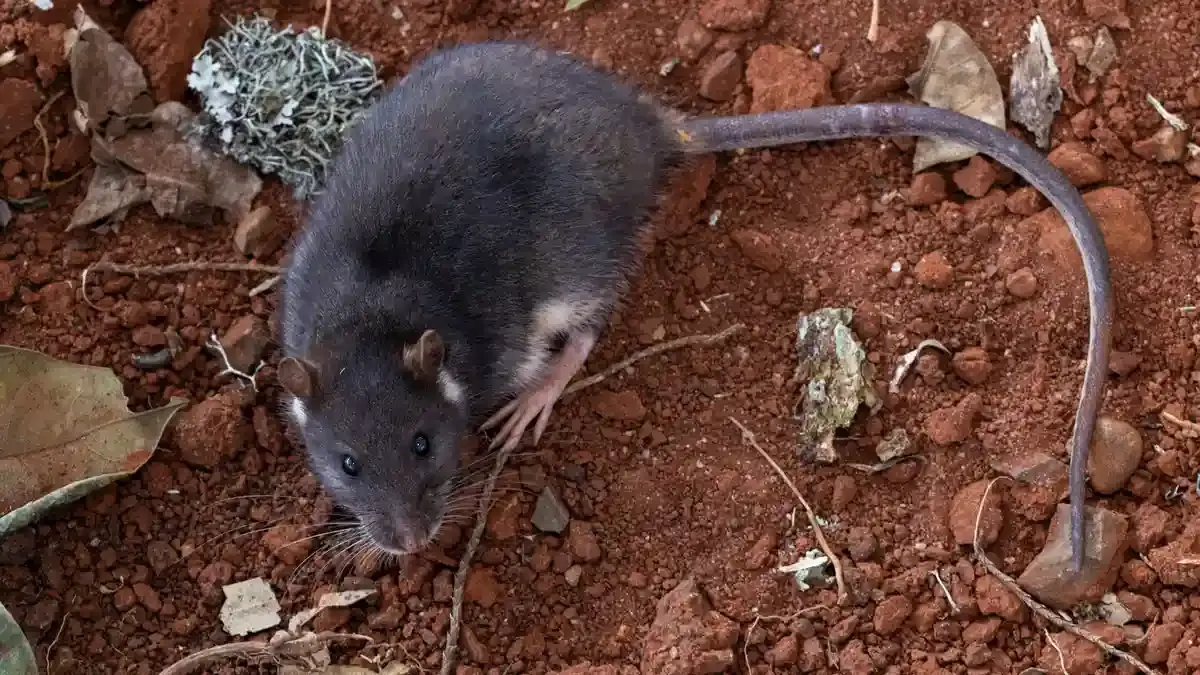
Almost 100 years after its first description, researchers have found an Ethiopian water mouse again in southwest Ethiopia, reports ad-hoc-news.de. The animal was found in mid-October during a biodiversity survey in the Yayu Biosphere Reserve, according to the German Nature and Biodiversity Conservation Union (NABU) ad-hoc-news.de
ad-hoc-news.dead-hoc-news.deOpen source ↗.
The species, Nilopegamys plumbeus, was described in 1928 from a single animal. No further record followed for decades, so the water mouse was considered lost and possibly extinct.
What the animal looks like
The mammal is about 15 centimetres long. It has broad hind feet and dense, water-repellent fur. The upper side is slate-black and the underside is white.
Mengistu Wale of the Ethiopian Biodiversity Institute caught the animal. He called the find exceptional and pointed to the still undiscovered diversity in Ethiopia's forests and waters ad-hoc-news.de
ad-hoc-news.dead-hoc-news.deOpen source ↗.
Earlier record and conservation status
A US zoologist found the only known specimen in a mountain stream in the Ethiopian highlands in 1927. That site lay hundreds of kilometres from the Yayu Biosphere Reserve.
According to NABU, no further record followed. For this reason the International Union for Conservation of Nature (IUCN) listed the species as critically endangered and possibly extinct.
Project leader Katharina Kühnert said that existing knowledge of the species had practically rested on one animal. In her words, the rediscovery opens the possibility of learning more about its ecology and distribution and of determining the protection that the species and its habitat need ad-hoc-news.de
ad-hoc-news.dead-hoc-news.deOpen source ↗.
The report notes that the region's forests and waters are ecologically valuable and also under pressure from human use. A single record does not show that the population is recovering. Whether more animals are found, and what conditions they need, will determine how the species can be protected. Further surveys, genetic studies and habitat observations are expected to follow.