Nazca-period infant with cyclopia found in Peru is shown by DNA analysis to have trisomy 13
A burial at the Jauranga site in Peru held an infant with cyclopia; genome sequencing found an extra copy of chromosome 13, a case of Patau syndrome.
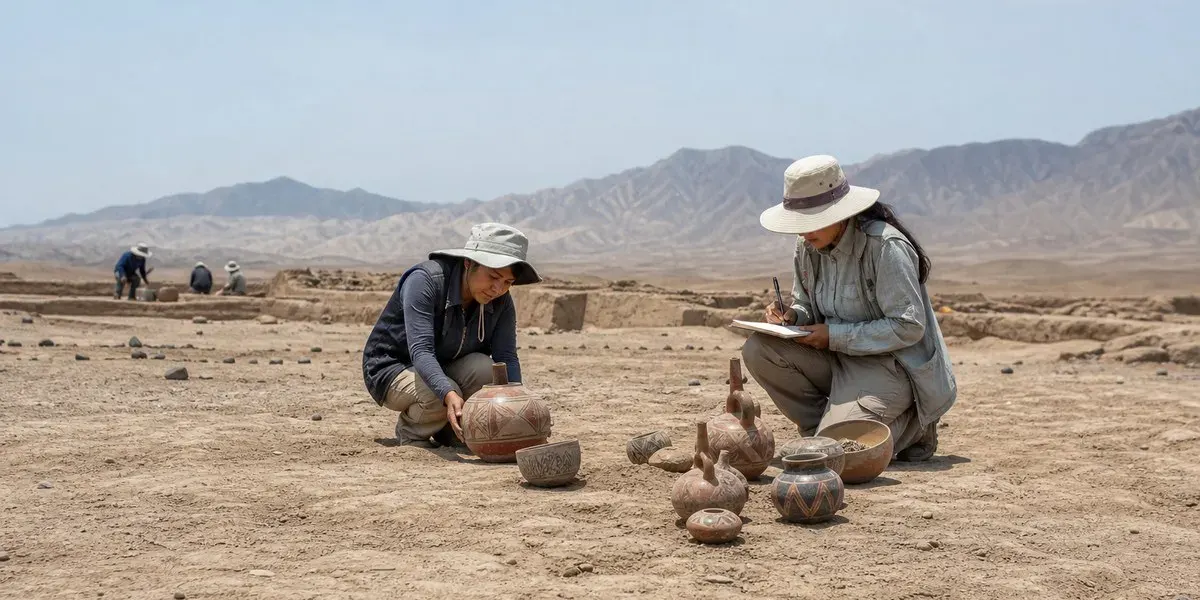
Archaeologists have found in Peru the remains of an infant from the Nazca period with cyclopia, a rare congenital anomaly, ua.news reports, citing Live Science. DNA analysis confirmed that the condition was caused by trisomy 13, also known as Patau syndrome ua.news
ua.newsua.newsOpen source ↗. The skeleton came from the Jauranga archaeological site in the Palpa Valley in southern Peru.
Burial in a ceramic urn
The infant was buried in a ceramic urn together with another female child who had no skeletal anomalies. Researchers date the burial to the middle Nazca period, approximately AD 325–440. The child with cyclopia lay at the bottom of the urn, and the other child was above her.
Scientists suggest that both were buried as part of a single event. Genetic analysis showed that the two infants did not share a mother. Burial of two infants in one urn is atypical for the Nazca culture. However, the absence of special grave goods and burial in an ordinary cemetery give no reason to believe that the child with the anomaly was buried differently from other infants.
Skull and genome findings
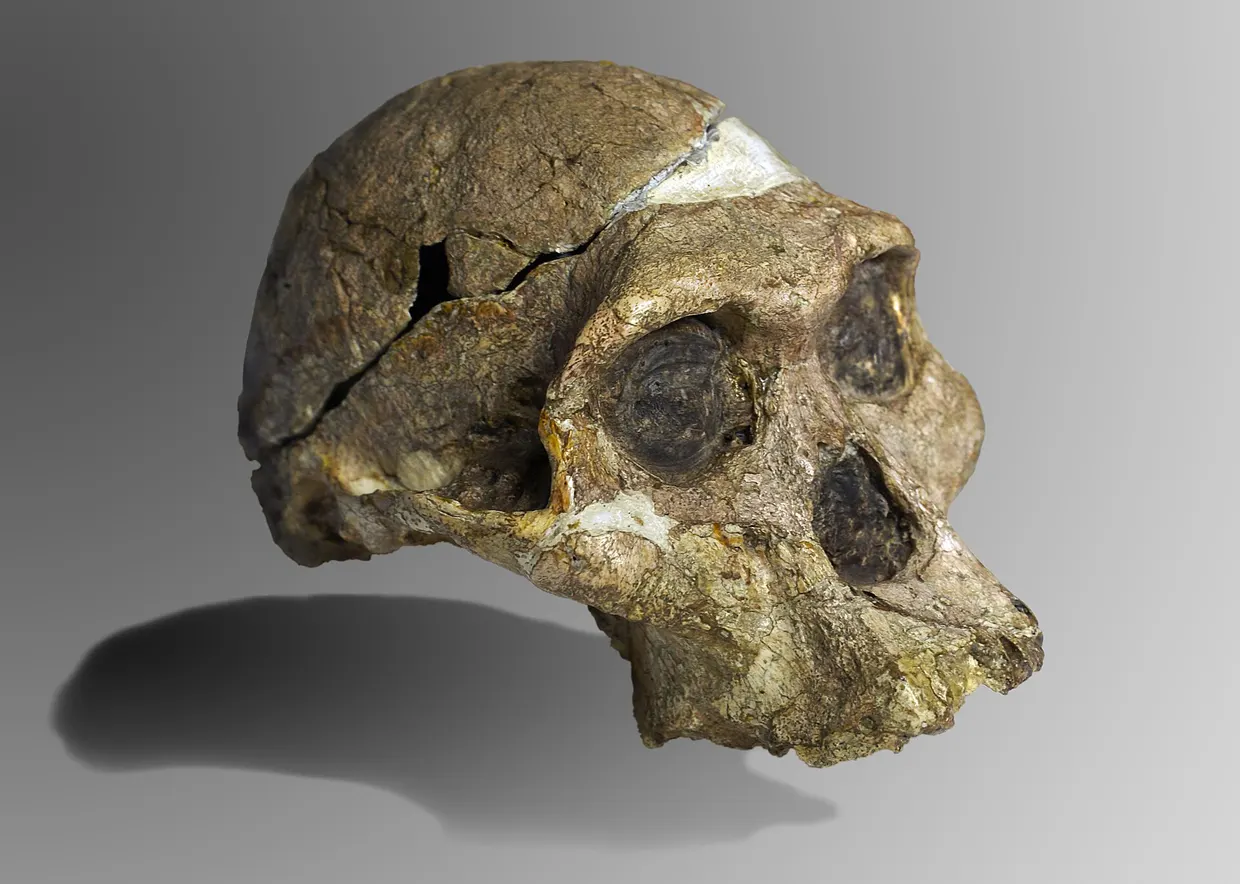
The infant's skull had one eye socket in the middle of the face, a very small cranium and other abnormalities of the cranial bones ua.news
ua.newsua.newsOpen source ↗. These signs correspond to cyclopia, a condition in which the front part of the fetal brain does not divide into the left and right hemispheres. According to modern medical data, cyclopia occurs in approximately one in 100,000 births.
Genome sequencing revealed an additional copy of chromosome 13. Trisomy 13 is one of the main chromosomal causes of cyclopia, although cyclopia occurs in only a small proportion of Patau syndrome cases. An estimate of the infant's age at death suggests that the child may have lived for several weeks or months after birth.