Columbia Engineering's PillowSense pillowcase prototype classifies seven sleep postures with 88% F1
Columbia Engineering researchers sewed conductive and pressure-sensitive fabric into a pillowcase that records heart rate, breathing and posture without worn devices; it is still a prototype.
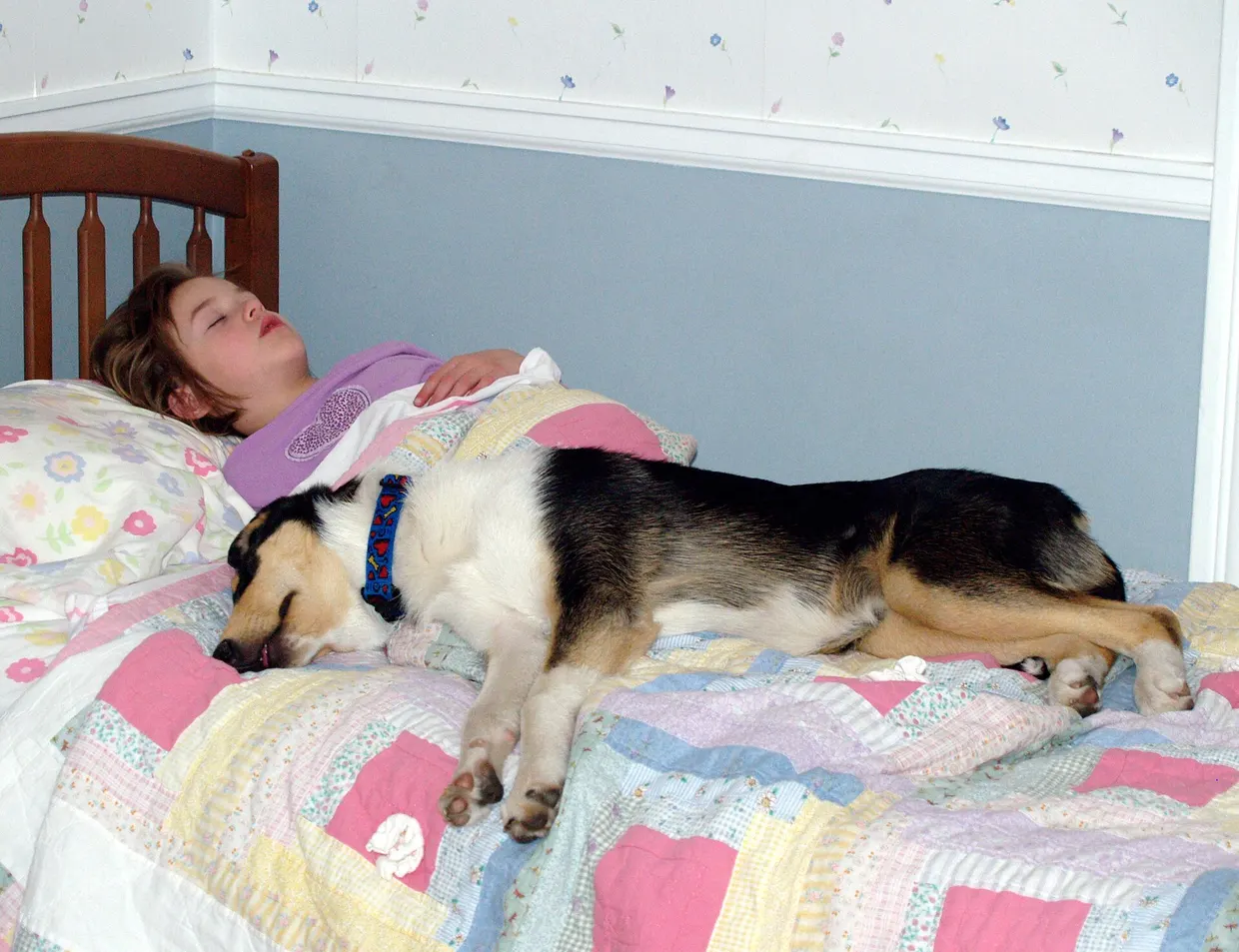
A team at Columbia Engineering led by Associate Professor Xia Zhou has developed PillowSense, a fabric-based sleep monitoring system built into a pillowcase. The work is described in the Proceedings of the ACM on Interactive Mobile Wearable and Ubiquitous Technologies. Across 151 nights and 912.2 hours of real-world sleep data, the system classified seven sleep postures with an F1 score of 88% acm.org
Proceedings of the ACM on Interactive Mobile Wearable and Ubiquitous Technologiesacm.orgOpen source ↗. The authors also report clinically acceptable accuracy in monitoring vital signs.
Fabric sensing layers
PillowSense uses a dual-layer fabric design. The top layer consists of conductive fabrics that sense the electrocardiogram (ECG) and surface electromyogram (sEMG). The bottom layer is made of pressure-sensitive fabrics that track sleep location and movement.
The conductive fabric acts as an electrode, and the electronics measure small voltage differences between sensors touching the sleeper's neck. The system separates signals from the heart and the neck muscles, uses them to estimate heart rate and breathing rate, and identifies patterns linked to different sleeping positions. The researchers also found that neck muscle activity can reflect whether the sleeper's legs are bent, which allowed more detailed posture recognition from a pillowcase alone. The prototypes were built from off-the-shelf hardware.
Home testing and limits
The system was evaluated in lab studies and in longitudinal studies at participants' homes acm.org
Proceedings of the ACM on Interactive Mobile Wearable and Ubiquitous Technologiesacm.orgOpen source ↗. Among the healthy participants, movement was relatively infrequent. Because movement triggers the more demanding posture classification, fewer movements meant less unnecessary processing.
Poor sensor contact sometimes left gaps in the data. These gaps were excluded from the reported posture-classification results. Skin condition, hair and shifts in neck position on the pillow also affect signal quality.
The sensing layer detaches for hand washing, and the rest of the pillowcase is machine washable. The authors point to comfort, washability and robustness in multi-user scenarios.
PillowSense remains a research prototype, not a diagnostic tool. Clinical use would require comparison with clinical reference measurements and studies with larger, more diverse groups, including older adults and people with sleep disorders. The team plans to improve sensor contact, reduce interference from hair, and simplify the electronics and initial setup. The paper was presented at UbiComp '26 and received a Distinguished Paper Award in October 2026.