Fiber suppressed bacterial breakdown of intestinal mucus in mice, PNAS study by AbuSalim and Rabinowitz
In mice, dietary fiber suppressed bacterial breakdown of the intestinal mucus layer, a source of potentially harmful phenols; digestion-resistant plant proteins gave other metabolites.
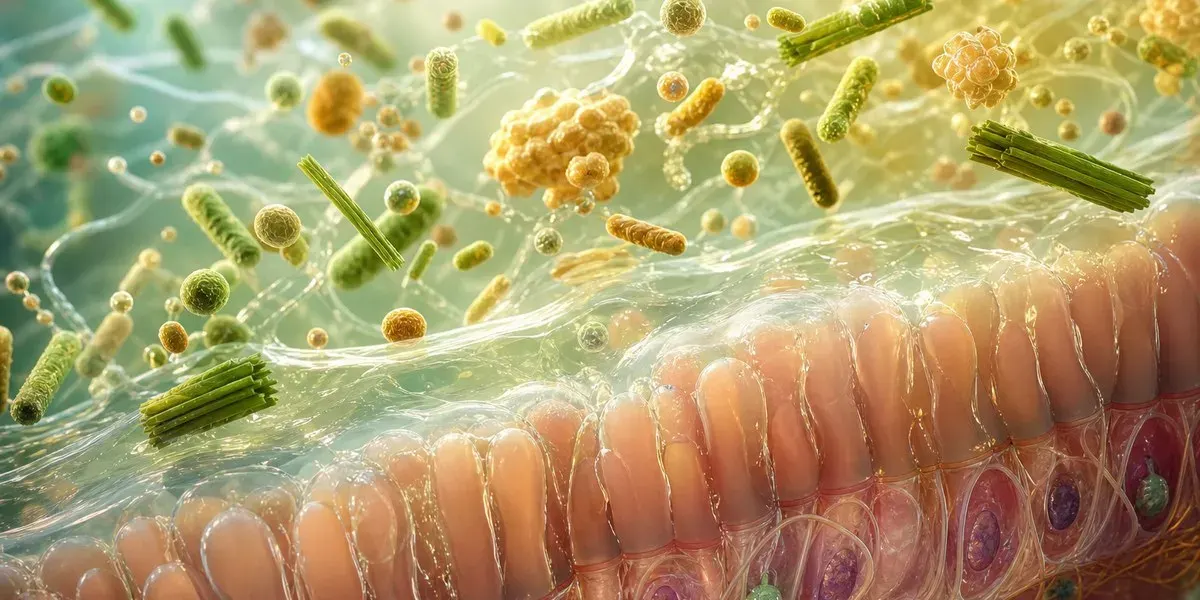
A study in the Proceedings of the National Academy of Sciences by the team of Jenna AbuSalim and Joshua Rabinowitz found that when dietary fiber is lacking, gut bacteria can break down proteins of the intestine's protective mucus layer. According to ua.news, citing ScienceDaily, this produces potentially harmful phenolic metabolites. Fiber and certain digestion-resistant plant proteins change this process and promote the formation of other compounds. ua.news
ua.newsua.newsOpen source ↗
The researchers studied phenolic metabolites that appear when microbes process the amino acids tyrosine and phenylalanine. Phenylalanine metabolites, phenylpropionate and hippuric acid, are associated with healthy body weight and better gut health. In contrast, p-cresol sulfate and phenol sulfate, which originate from tyrosine, have been linked to worse outcomes for cancer patients and to negative effects in people with kidney disease.
Mucus, fiber and plant proteins in mice
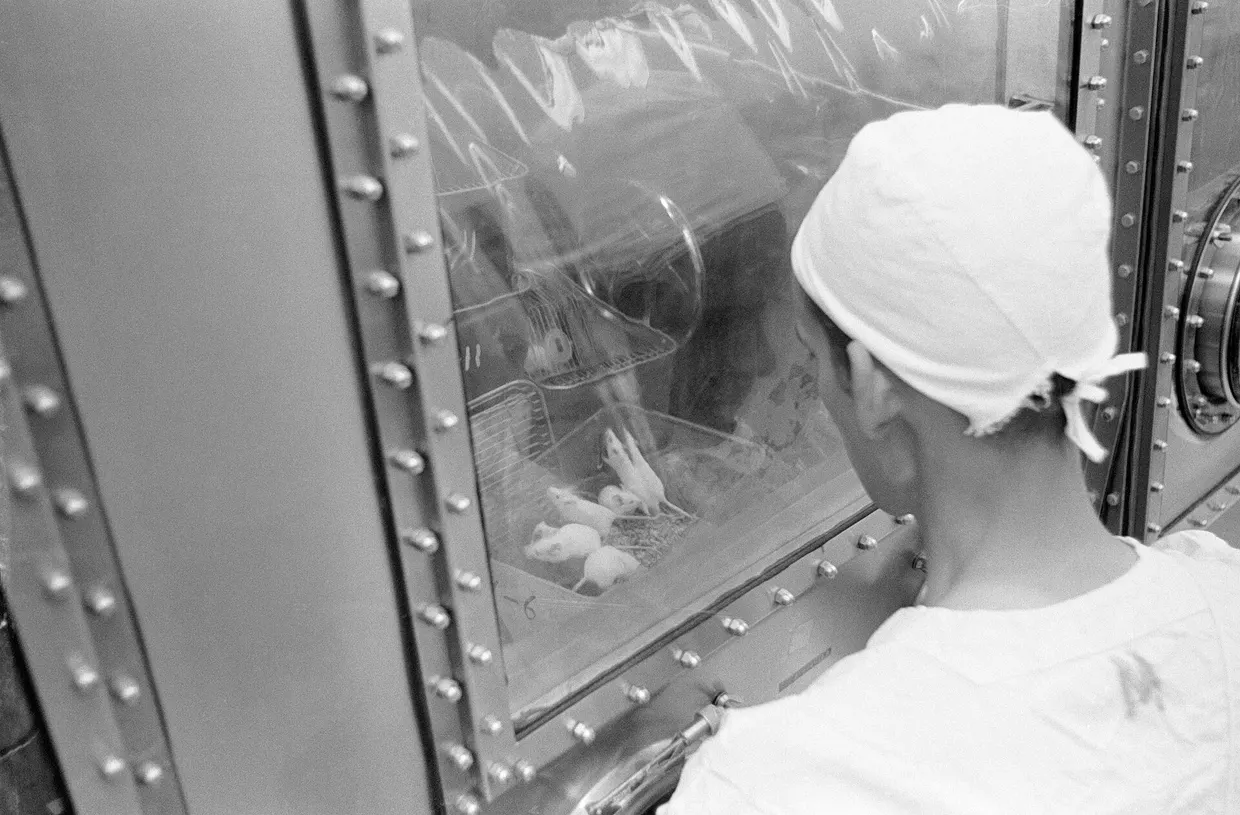
Using stable non-radioactive isotopes, the team traced how proteins move and are processed in the digestive systems of mice. Potentially harmful phenols formed when bacteria broke down proteins of the host organism, including proteins of the mucus layer that separates microbes from the cells of the intestinal wall. More beneficial phenols originated almost entirely from indigestible dietary proteins. Fiber suppressed bacterial breakdown of the protective mucus.
The authors call digestion-resistant plant proteins Prif, short for proteins imitating fiber. According to their data, these proteins reach the gut microbiome and, together with dietary fiber, alter bacterial activity. In the mouse experiments, Prif served as a source of dietary protein for bacteria and promoted the formation of phenylalanine-derived metabolites. ua.news
ua.newsua.newsOpen source ↗
Not only microbes make these metabolites
A separate study in Nature Metabolism questioned the idea that many phenolic and indole metabolites in blood are produced exclusively by gut microbes. Using isotope labeling in mice, rats and human cells, the scientists found that mammalian cells can independently synthesize a number of such compounds, including indole-3-lactate and indole-3-acetate.
After antibiotics were given to mice, many metabolites remained in the blood at substantial levels. A similar pattern was recorded in samples from patients receiving antibiotics. At the same time, levels of indole-3-propionate and p-cresol sulfate, which are produced only by microbes, declined.
The authors note that most of the evidence was obtained in animal experiments and laboratory studies. The mechanisms therefore require further verification regarding their long-term effects on human health. ua.news
ua.newsua.newsOpen source ↗