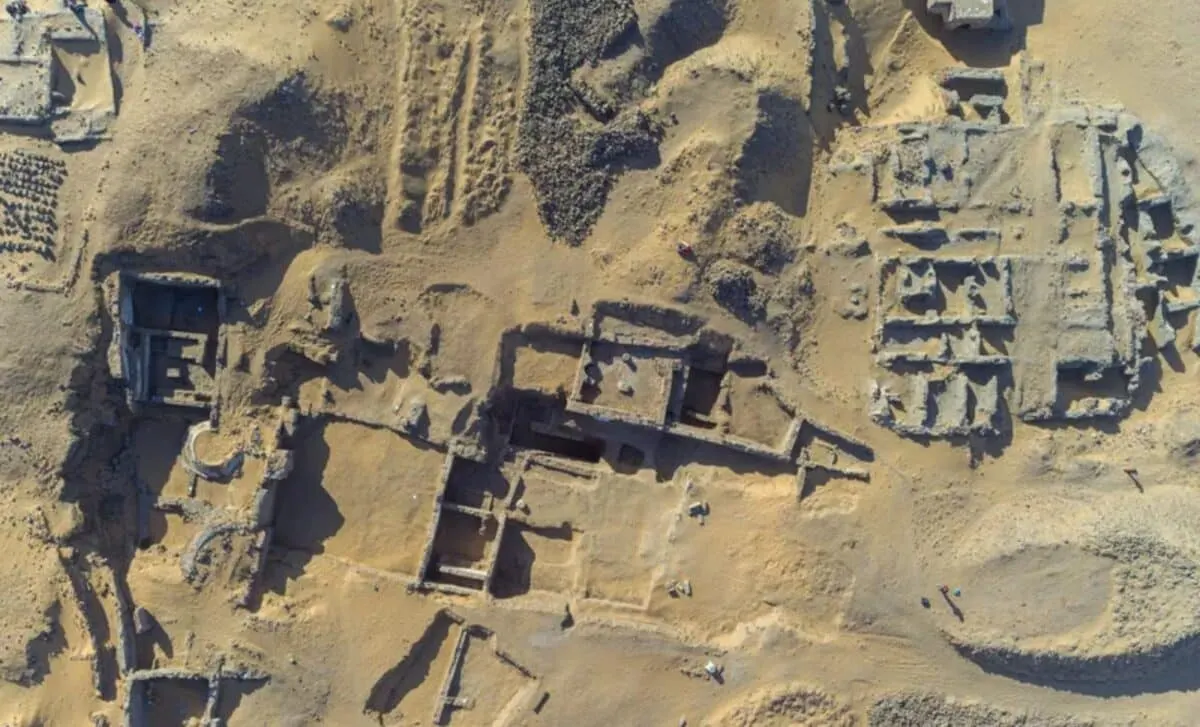
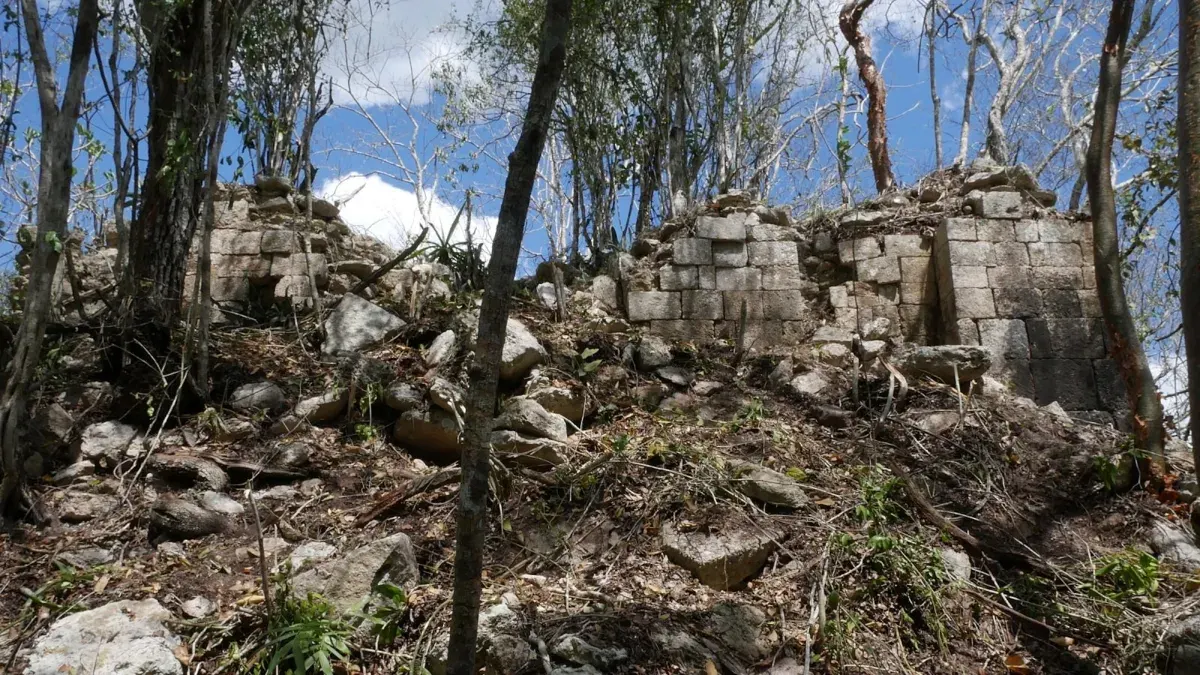
Heneb archaeologists find Roman-period settlement and brooch workshop at Mancot, Flintshire
Excavations before construction on Gladstone Way yielded dozens of artefacts, including lead brooch moulds. Archaeologists say they show local industry near Roman Chester.
Archaeologists from Heneb, the Trust for Welsh Archaeology, have uncovered a Roman-period settlement at Mancot in Flintshire, north-east Wales, during investigations ahead of construction on Gladstone Way, heritagedaily.com reports. The excavation recovered dozens of artefacts, including Roman brooches, jewellery moulds, pottery and coins heritagedaily.com
heritagedaily.comheritagedaily.comOpen source ↗. According to the archaeologists, the unexpected find is one of the largest collections of Roman artefacts found in Flintshire.
Project manager Chris Matthews said the discovery has changed archaeologists' understanding of the area in the Roman period. Mancot occupies elevated ground overlooking Chester, yet comparatively little Roman archaeology had previously been identified in north-east Wales.
Workshop and dating
Archaeologists believe the settlement may have originated in the Iron Age and continued in use through much of the Roman period, although its earliest phases need further study. Two Roman coins support this. One dates to the reign of Commodus, who ruled from AD 177 to 192; the other depicts Constantine, whose reign began in AD 306.
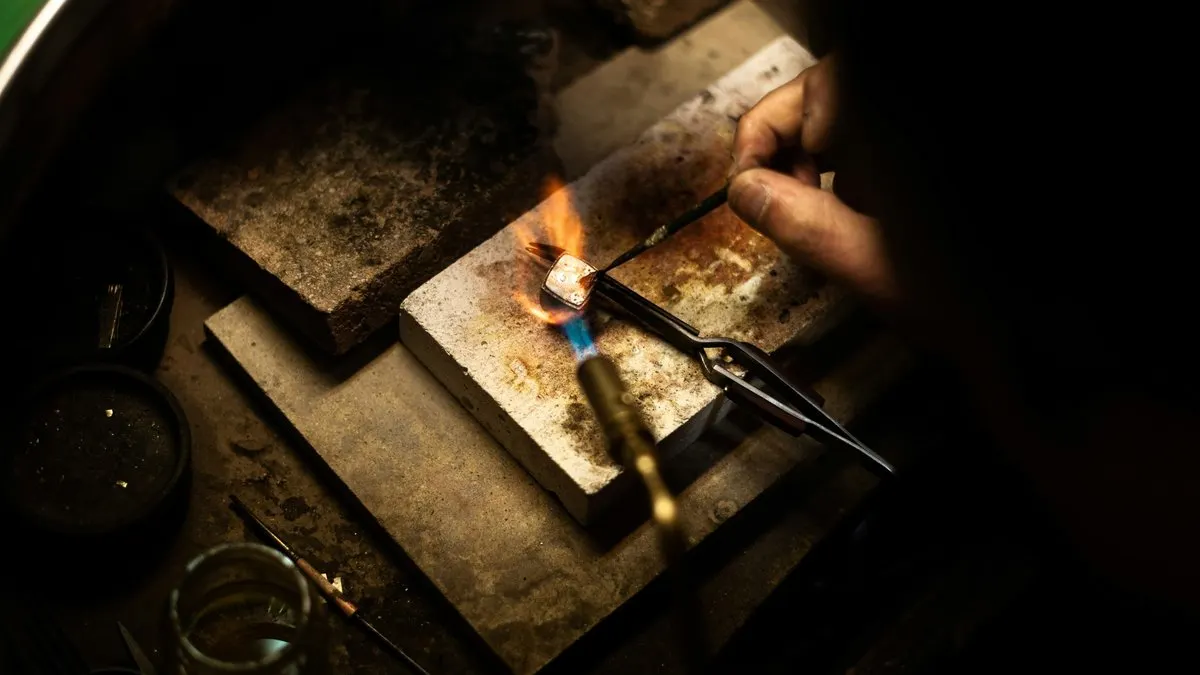
Among the most significant finds is evidence of a workshop making decorative metalwork. Lead moulds were used to produce a range of brooches, which suggests specialised craft production at Mancot heritagedaily.com
heritagedaily.comheritagedaily.comOpen source ↗. Surviving brooches from the site retain traces of coloured enamel, and some were shaped as animals. Matthews said the workshop shows local industry exploiting the region's metal resources to make goods used in Roman society.
Researchers suggest the workshop may have supplied people in nearby Chester, which the Romans called Deva Victrix. Pottery from the site indicates wider trading links, and some of it suggests connections with continental Europe.
Extent and further study
Houses have now been built over part of the excavated area, but archaeologists recorded and mapped the remains before development went ahead. Their survey indicates that the settlement extends beyond the excavated site and beneath parts of the modern village of Mancot, so the work may have exposed only part of a larger settlement. Researchers say the find joins other Roman sites in north-east Wales, including Greenfield and Rossett, that are changing interpretations of the region under Roman occupation.
A selection of brooches and moulds has been conserved and will be studied at the National Museum of Wales in Cardiff. Specialists hope to determine how the brooches were made, identify the metals used and investigate the origins of the raw materials heritagedaily.com
heritagedaily.comheritagedaily.comOpen source ↗. The finds are then expected to return to north-east Wales for public display. Flintshire Museums Service hopes that some of the most important items, the brooches in particular, can be shown at Mold Museum during 2027.