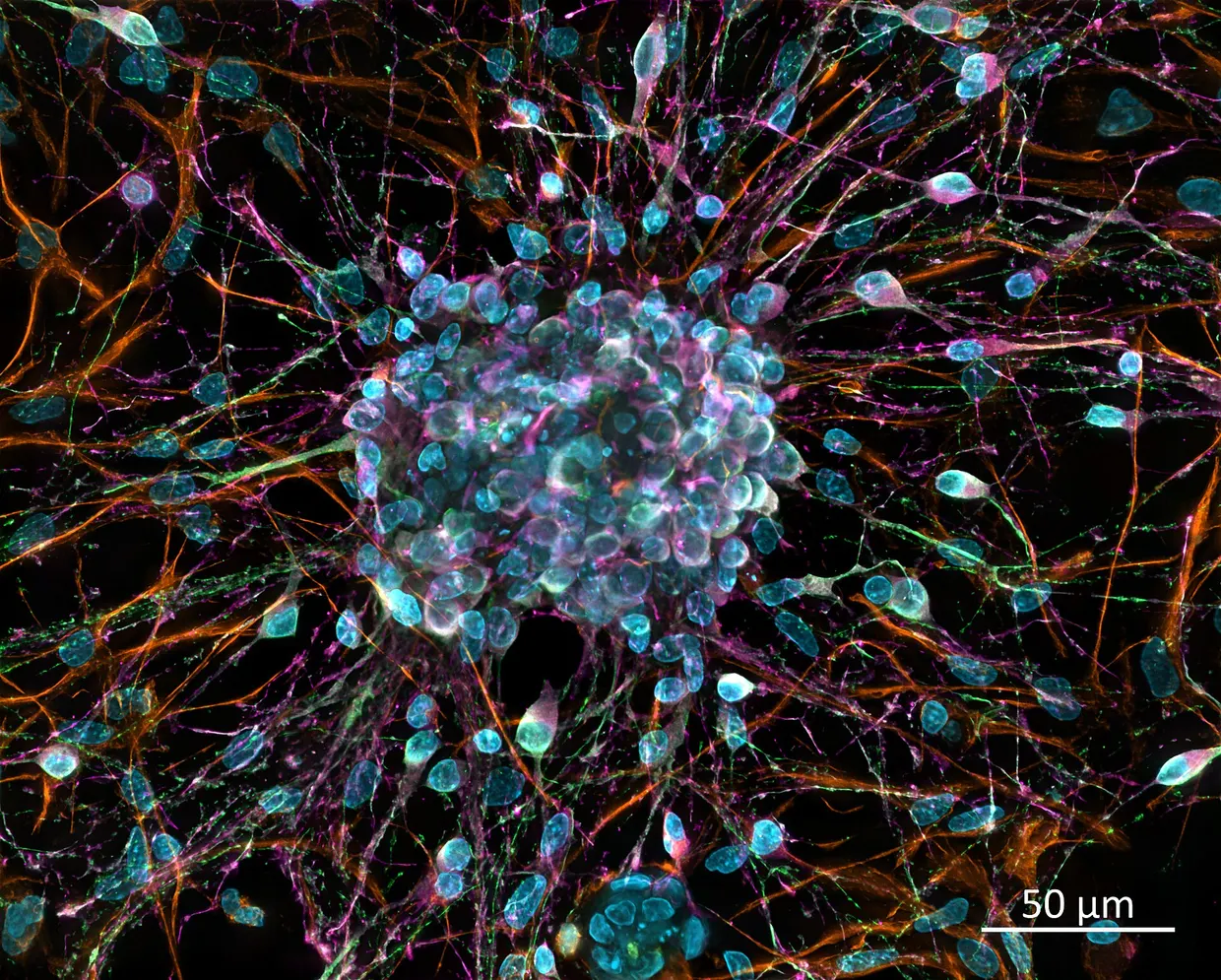
UCSF researchers identify gut-to-brain dopamine pathway in mice that shapes food preferences
Experiments in mice and human imaging revealed a slow dopamine signaling circuit in the amygdala linking gut nutrients to flavor preferences.
Researchers from the University of California, San Francisco (UCSF) published a study in Nature on November 4 identifying a neural mechanism that links flavors to ingested nutrients, according to Portal do Zacarias portaldozacarias.com.br
Portal do Zacariasportaldozacarias.com.brOpen source ↗. The biological pathway relies on gut sensors detecting fats and sugars to trigger sustained dopamine release in the brain, actively driving food preference formation.
Gut-to-brain dopamine signaling
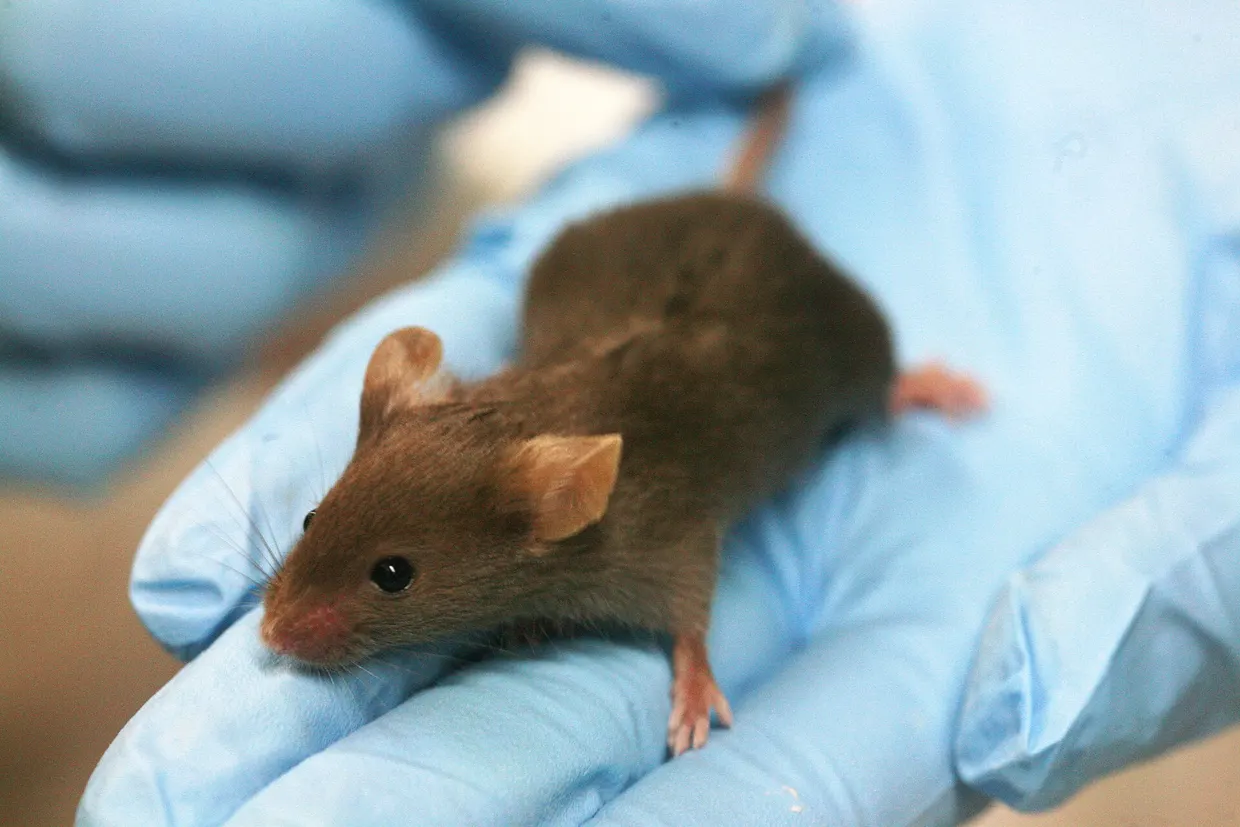
In laboratory experiments on mice, researchers infused sugary liquids and milkshake-like mixtures directly into the animals' stomachs. This infusion triggered prolonged dopamine activity within the anterior basolateral amygdala. When scientists chemically or physically blocked this specific signaling pathway, the mice maintained normal baseline food intake but completely lost the ability to develop preferences for flavors paired with caloric intake.
To verify the mechanism's influence on learning, the research team artificially stimulated the anterior basolateral amygdala after presenting mice with non-caloric flavors. Following the stimulation, the mice developed a distinct preference for those specific flavors, even though no actual nutrients or calories were delivered.
Human imaging and clinical hypotheses
The authors also analyzed brain responses in humans, finding evidence that a matching mechanism functions during nutrient ingestion portaldozacarias.com.br
Portal do Zacariasportaldozacarias.com.brOpen source ↗. Scans identified corresponding activity within the same amygdala region following food intake, displaying a more pronounced response in the left hemisphere.
The researchers hypothesized that existing GLP-1 receptor agonist drugs might influence this nutrient-reward pathway, although the compounds were not tested in the current study. The authors emphasized that further investigations remain necessary before this circuit can inform therapeutic strategies for modifying dietary habits.