Michigan team: perforin induces ferroptosis in tumor cells without granzymes, in cultures and mice
Perforin from T cells and NK cells directly induces iron-dependent death of tumor cells, not only opening the way for granzymes, the Cell authors report.
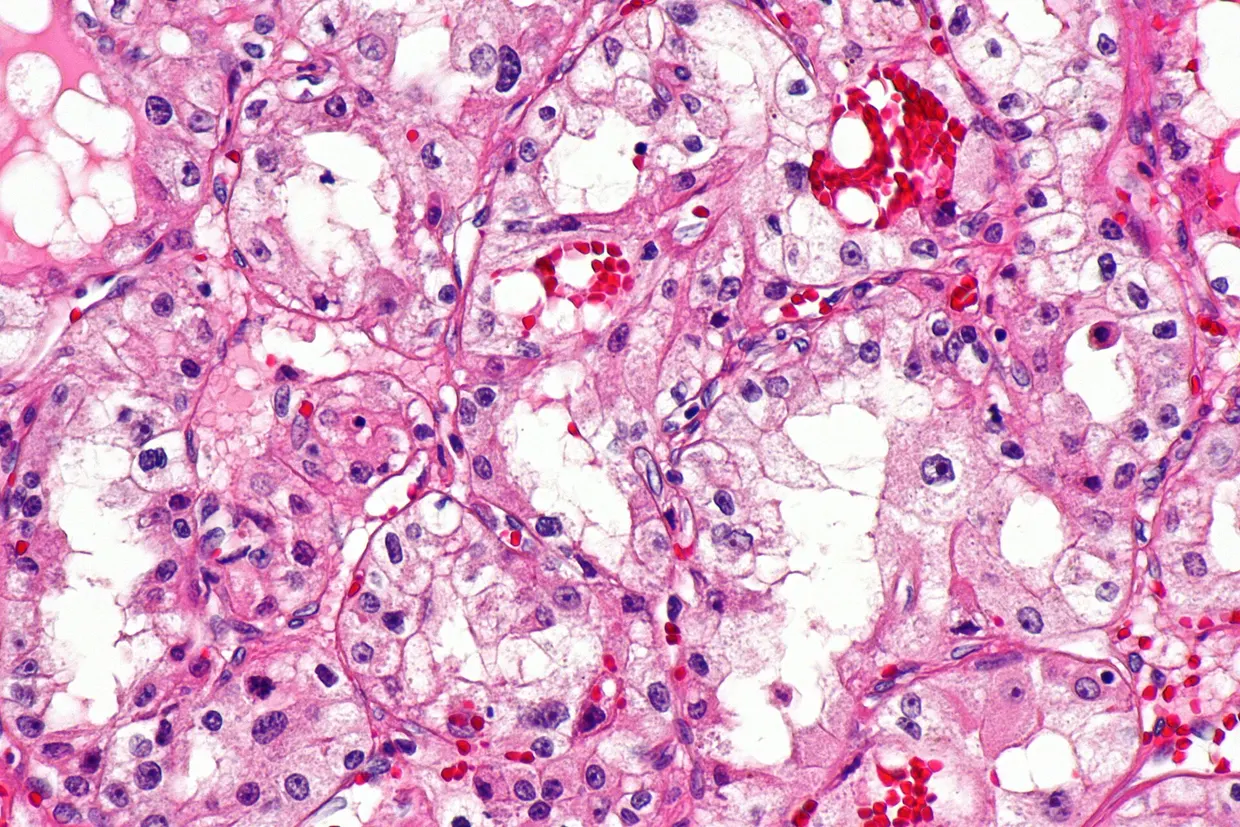
A team led by the University of Michigan Health Rogel Cancer Center, with Judy Lieberman of Harvard Medical School among the senior authors, reported in Cell that perforin can induce ferroptosis in tumor cells independently of granzymes sciencedirect.com
Cellsciencedirect.comOpen source ↗. The work combined genetic and biochemical experiments in laboratory cell cultures, studies in mice and data from patients with cancer. The paper was published on 23 October 2026.
Perforin beyond pore formation
Perforin is released by T cells and NK cells. It forms pores in the membrane of the target cell, through which granzymes enter and trigger caspase-dependent and -independent cell death. In the study, tumor cells died even when major granzymes were missing, while loss of perforin led to a failure of the antitumor immune response, according to the authors.
Ferroptosis is an iron- and lipid-dependent form of cell death. It differs from apoptosis, which is triggered by granzymes, and from pyroptosis. Ferroptosis was formally described a little over a decade ago, so it is less studied than the established forms of cell death.
Iron, mitochondria and mouse data
According to the authors, perforin-mediated pore formation drives endocytosis of the transferrin receptor, which increases iron uptake by the cell sciencedirect.com
Cellsciencedirect.comOpen source ↗. Perforin also promotes contacts between endosomes and mitochondria. Iron accumulates in the mitochondria, their function is disrupted, and excess iron rapidly oxidizes membrane lipids, which leads to ferroptosis.
In mouse tumor models, dietary iron supplementation suppressed tumor progression, and this effect depended on perforin. The authors urge caution: some cancer types benefit from an iron-rich diet, and in such tumors it may accelerate progression. Which tumors these are is not yet known.
In patient data, higher perforin expression correlated with better survival and a better response to immune checkpoint blockade. These are associations, not proof of cause. The authors say it is too early to speak of clinical use. The team plans to examine the mechanism in more detail, test whether several routes of cell death act together, and explore possible clinical applications.
출처 · 2
오류를 발견하셨나요?함께 읽기