Yeast Lipid Droplets Engineered to Boost Enzyme Cascade Yields by 1300%
Researchers reprogrammed the lipid droplet interface in yeast cells to orient enzymes, increasing prodeoxyviolacein production to 46.25 mg/L in vitro.
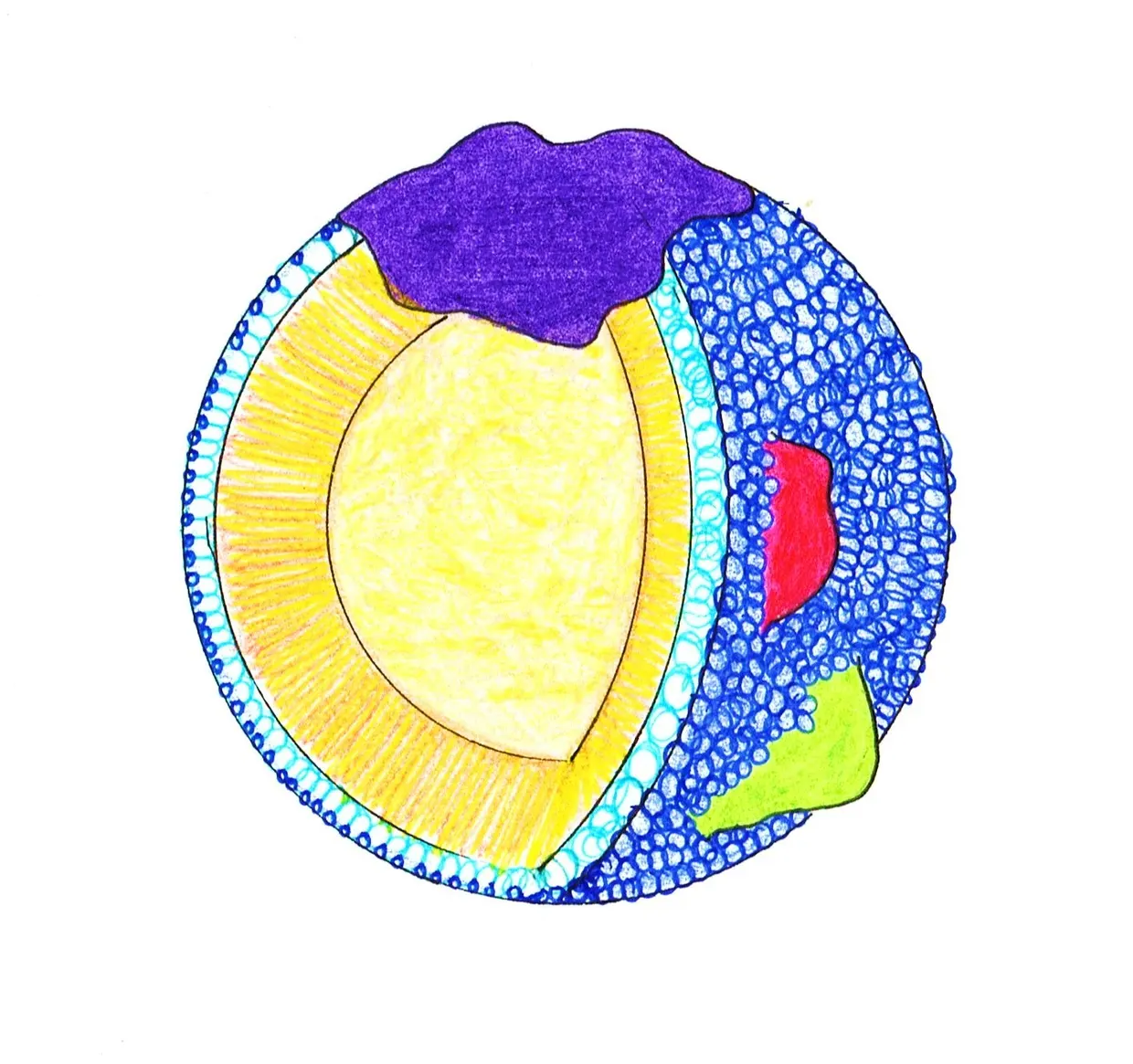
Biochemists have engineered the amphiphilic monolayer interface of yeast lipid droplets to control the spatial orientation of multienzyme complexes, as reported in Science Advances science.org
Science Advancesscience.orgOpen source ↗. The system uses designed anchoring motifs to direct enzymes toward either the cytosol or the lipid droplet core.
Interface Engineering
The team utilized molecular dynamics simulations to design lipid droplet-anchoring motifs capable of specific spatial positioning. These motifs dictate whether an enzyme faces outward into the aqueous cytosol or inward into the hydrophobic interior of the lipid droplet. This spatial control establishes a defined biocatalytic boundary that directs intermediate channeling during multistep metabolic reactions.
Cascade Reorganization
To evaluate the platform, the researchers organized a trienzyme cascade responsible for prodeoxyviolacein biosynthesis across the organelle interface. The engineered assembly facilitated the directional conversion of hydrophilic initial substrates into hydrophobic target molecules. According to the study, this spatial configuration increased prodeoxyviolacein production by 1300%, reaching a final concentration of 46.25 milligrams per liter.