RIPK1 inhibition protects brain endothelial cells in cerebral malaria mice
Researchers showed that CD8+ T cells trigger RIPK1-regulated endothelial death during cerebral malaria, and blocking this kinase prolongs mouse survival.
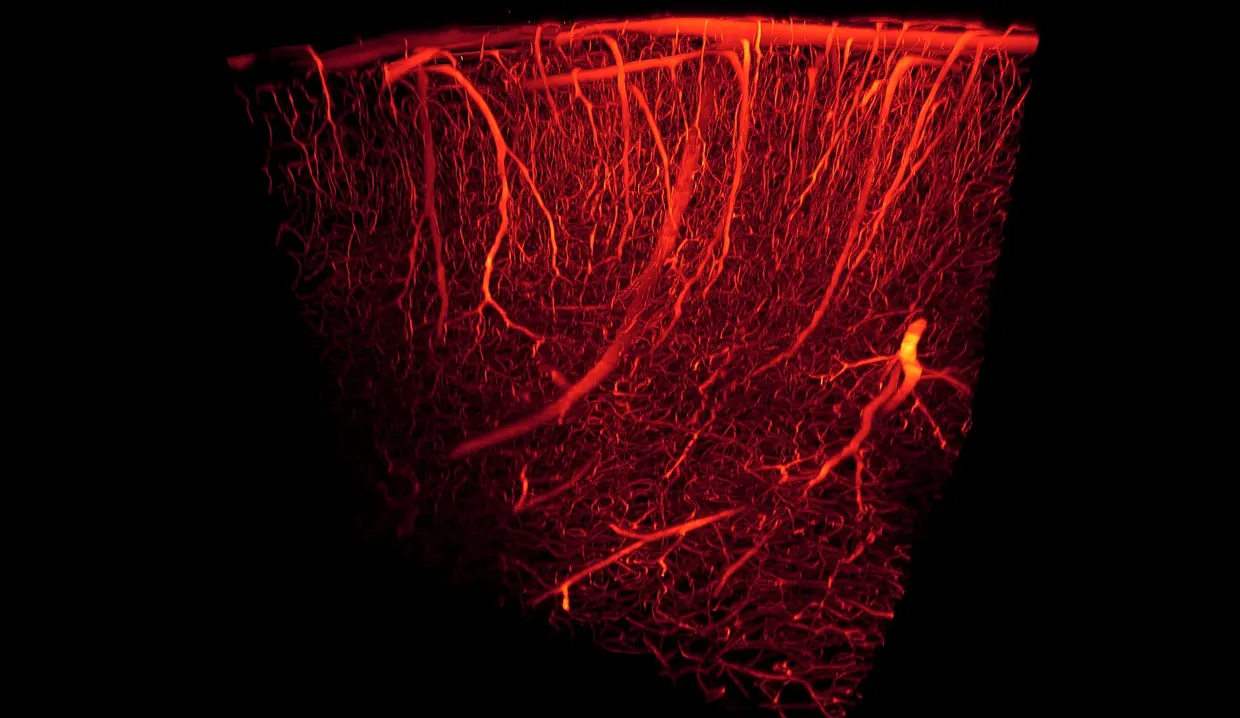
CD8+ T cells trigger receptor-interacting serine/threonine-protein kinase 1 (RIPK1)–regulated death of brain endothelial cells during cerebral malaria, according to a study published in Science Advances science.org
Science Advancesscience.orgOpen source ↗. Cerebral malaria is a severe complication of Plasmodium falciparum infection, causing blood-brain barrier disruption and fatal brain hemorrhage. The authors established that RIPK1 phosphorylation is also elevated in brain endothelial cells of human patients.
Using magnetic resonance imaging, 3D tissue-cleared brain imaging, endothelial translatomics, and cross-species pathology, the team identified a RIPK1-centered endothelial death program driven by cytotoxic T cells. In vitro tests revealed that combining RIPK1 and caspase inhibitors protected cross-presenting endothelial cells from CD8+ T cell–mediated lysis.
In vivo experiments in mice demonstrated that brain endothelial-specific genetic inactivation of RIPK1 prolonged animal survival. Systemic pharmacological inhibition of RIPK1 kinase activity yielded similar survival gains without altering blood parasitemia levels. These results indicate that targeting RIPK1 protects vascular integrity independently of parasite clearance.