Tulane University links climbing five flights of stairs daily to 20% lower cardiovascular risk
An observational study of over 450,000 UK Biobank participants associates daily stair climbing with lower rates of atherosclerotic disease.
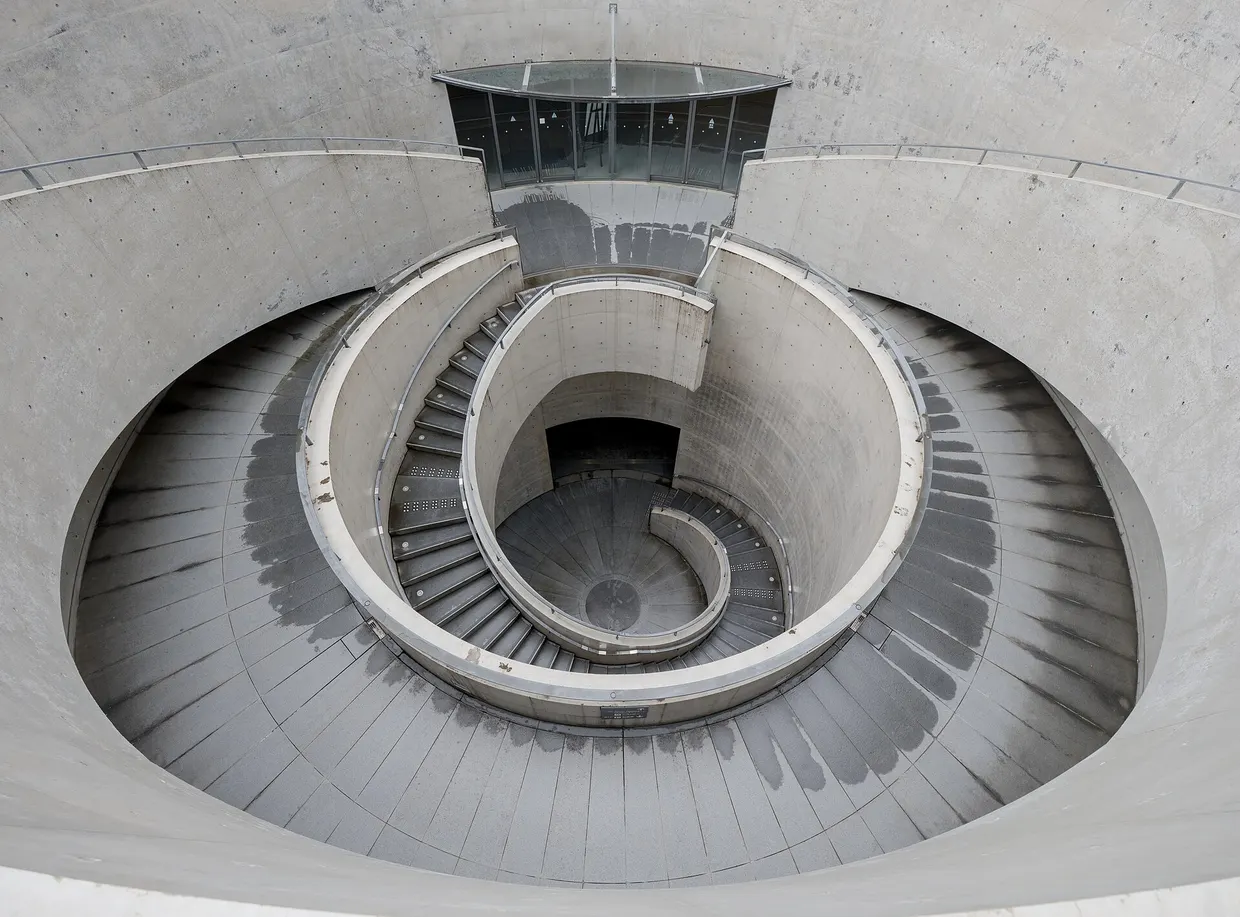
According to research conducted by scientists from Tulane University and published in the journal Atherosclerosis, climbing five flights of stairs daily—representing between 75 and 90 steps—is associated with a 20% reduction in the risk of cardiovascular disease, as reported by Futura Sciences futura-sciences.com
Futura Sciencesfutura-sciences.comOpen source ↗. The observational analysis evaluated records from more than 450,000 adult participants enrolled in the UK Biobank database. The cohort had an average baseline age of 56 years, with habits assessed across two periods spaced approximately five years apart.
Over a median follow-up period of 12.5 years, clinicians documented 39,043 atherosclerotic cardiovascular events across the cohort. These medical outcomes included 30,718 cases of coronary artery disease and 10,521 incidents of ischemic stroke. Investigators tracked participants' daily stair-climbing routines alongside lifestyle profiles and baseline medical states to measure relative incidence rates.
Analysis of Daily Climbing Frequency
Statistical models showed that individuals climbing stairs between 6 and 10 times per day had a 16% lower relative risk of atherosclerotic cardiovascular disease compared to non-climbers. For individuals ascending stairs between 11 and 20 times per day, the observed relative risk reduction reached 22% to 23%. These outcomes align with a separate meta-analysis presented at the 2024 European Society of Cardiology conference, which associated habitual stair climbing with a 39% reduction in cardiovascular mortality and a 24% reduction in all-cause mortality.
Physiological Hypotheses and Mechanisms
While the findings establish an observational link rather than direct causality, researchers note several plausible physiological mechanisms futura-sciences.com
Futura Sciencesfutura-sciences.comOpen source ↗. Lifting body weight against gravity recruits large leg and gluteal muscle groups, producing a high oxygen demand that challenges the cardiorespiratory system. These brief bouts of vigorous physical effort can stimulate aerobic conditioning, enhance myocardial performance, and support arterial vasodilation to help lower resting blood pressure.
出典 · 1
誤りを見つけましたか?あわせて読みたい