Non-van der Waals superlattices enhance strength and conductivity of MXene films
A new strategy for MXene films improves mechanical and electrical properties, achieving tensile strength of 598 MPa and conductivity of 13682 S/cm.
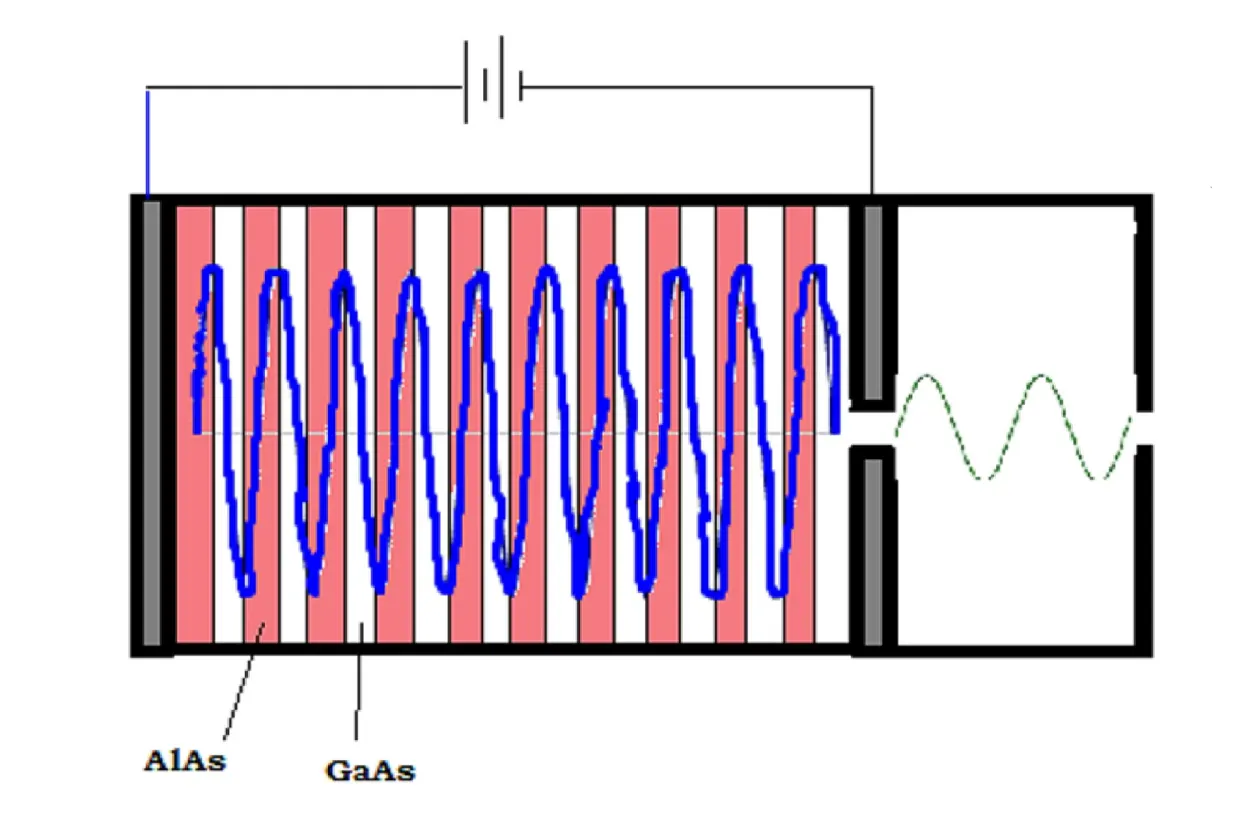
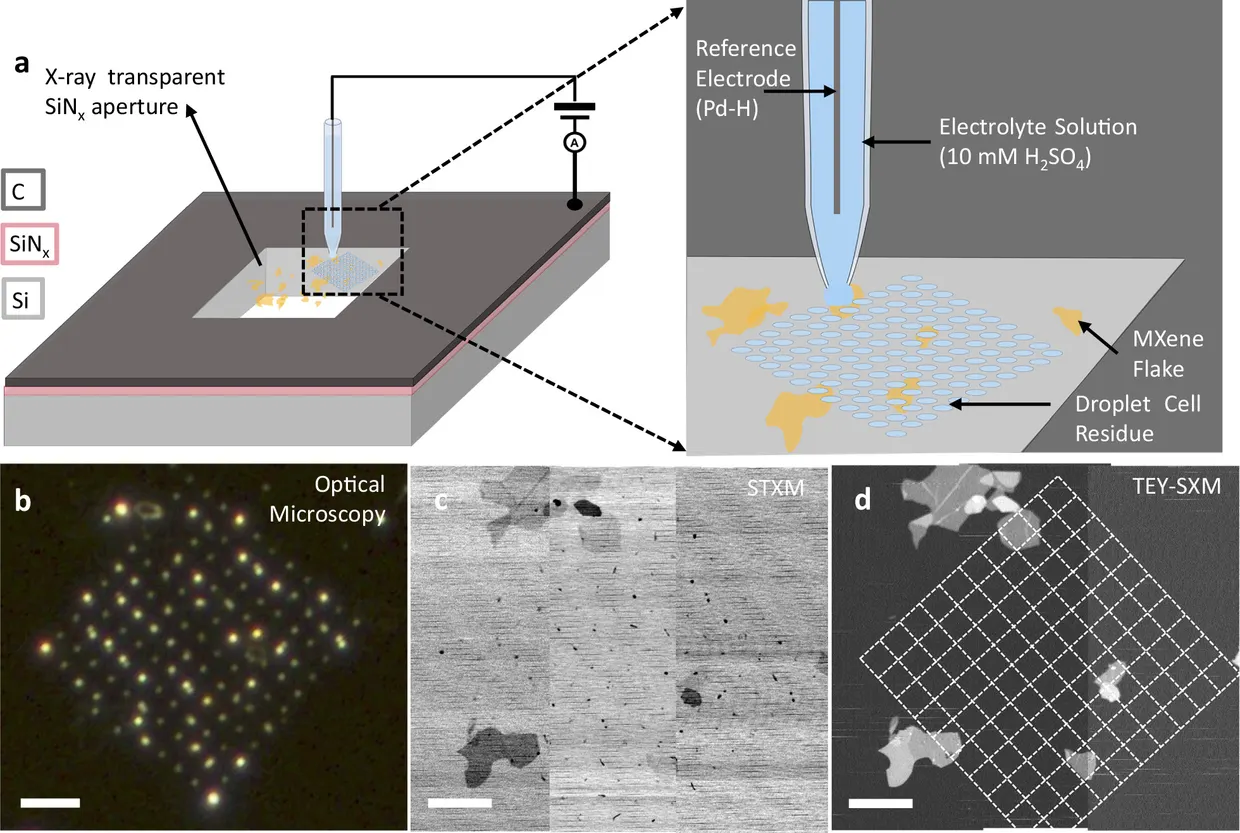
Conventional strategies for assembling macroscopic MXene films require excessive binders, such as polymer chains or cellulose, which undermine intrinsic functionalities and reduce MXenes to mere conductive fillers. A recent study published in Nature Communications presents a strategy that leverages the intrinsic structural evolution of MXenes to achieve non-van der Waals superlattice roll-ups. This approach enhances interlayer stress transfer and establishes efficient conductive pathways, overcoming the traditional trade-off between mechanical and electrical performance in MXene films.
The resulting scalable high-performance MXene films exhibit remarkable tensile strength of 598 MPa and electrical conductivity of 13682 S/cm, while also demonstrating excellent electromagnetic interference shielding. However, a systematic understanding of the reinforcement mechanisms across multiple scales is lacking, which limits the rational design of high-performance MXene films. To address this, the authors systematically elucidate the complex reinforcement mechanisms across multiple scales, from crack deflection at the microscopic level to dynamic slip and energy dissipation at the nanoscale, and local charge rearrangement through molecular interactions.
This work establishes a multiscale blueprint for mechanical enhancement spanning microscopic, nanoscopic, and molecular regimes, representing a significant advance in the development of high-performance films.