Azobenzene system tunes drug release to tissue hypoxia via electron competition with oxygen
Researchers describe an azobenzene-based system where oxygen gradients in infected tissue continuously set the rate of nanoscale dissociation and drug release.
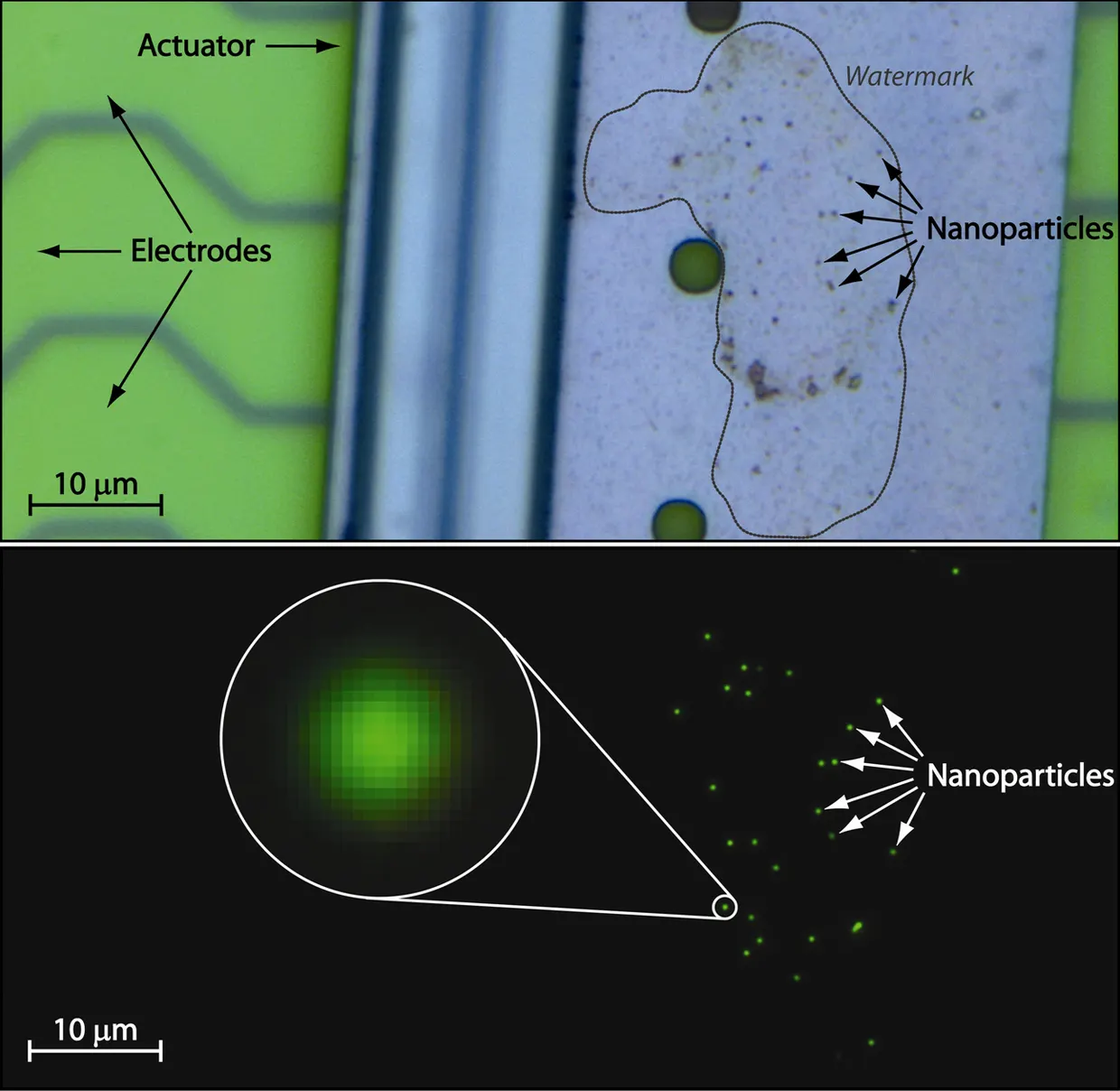
Researchers reported in Science Advances an azobenzene-based kinetic regulatory system for antibacterial therapy. In it, oxygen gradients commonly present in infected tissues continuously program reaction kinetics through electron competition science.org
Science Advancesscience.orgOpen source ↗. The authors note that conventional stimulus-responsive antibacterial systems generally work through binary trigger–activation mechanisms. This makes them poorly suited to evolving infection microenvironments and contributes to persistent infection and resistance development.
In the reductive reaction network, oxygen acts as a competing electron acceptor. Electron transfer is therefore partitioned between azo reduction and oxygen consumption. Substituent electronic structures additionally reshape the reduction propensity and encode distinct kinetic behaviors.
These kinetics translated into different profiles of nanoscale dissociation and drug release. Electron-rich azobenzenes disassembled rapidly under severe hypoxia, while electron-withdrawing structures sustained release under mild hypoxia. The result was antibacterial output adapted to the state of the infection.
According to the authors, the same electronic features that govern reduction kinetics also reduced the reactivity and toxicity of reductive metabolites. The work proposes electron competition as a strategy for converting environmental gradients into continuous kinetic outputs for adaptive antibacterial therapy.