Mantle Helium in Zambian Springs Confirms Active Lithospheric Rifting
Researchers measured mantle helium and carbon signatures in the Kafue Rift, indicating active lithospheric extension and gas potential.
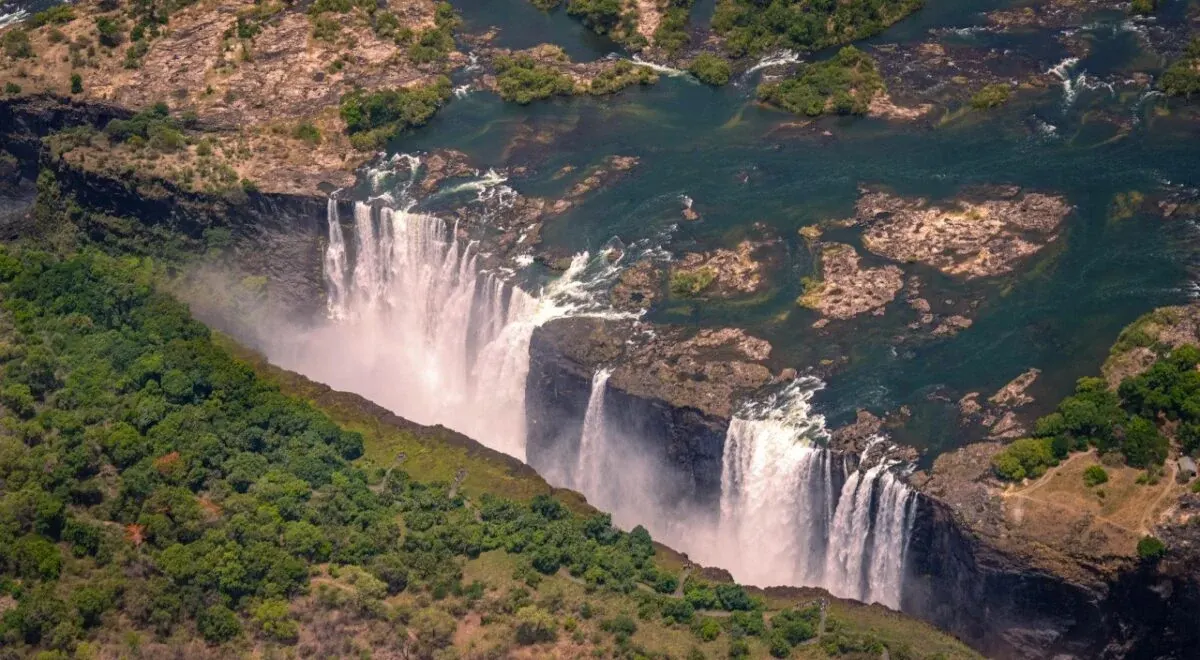
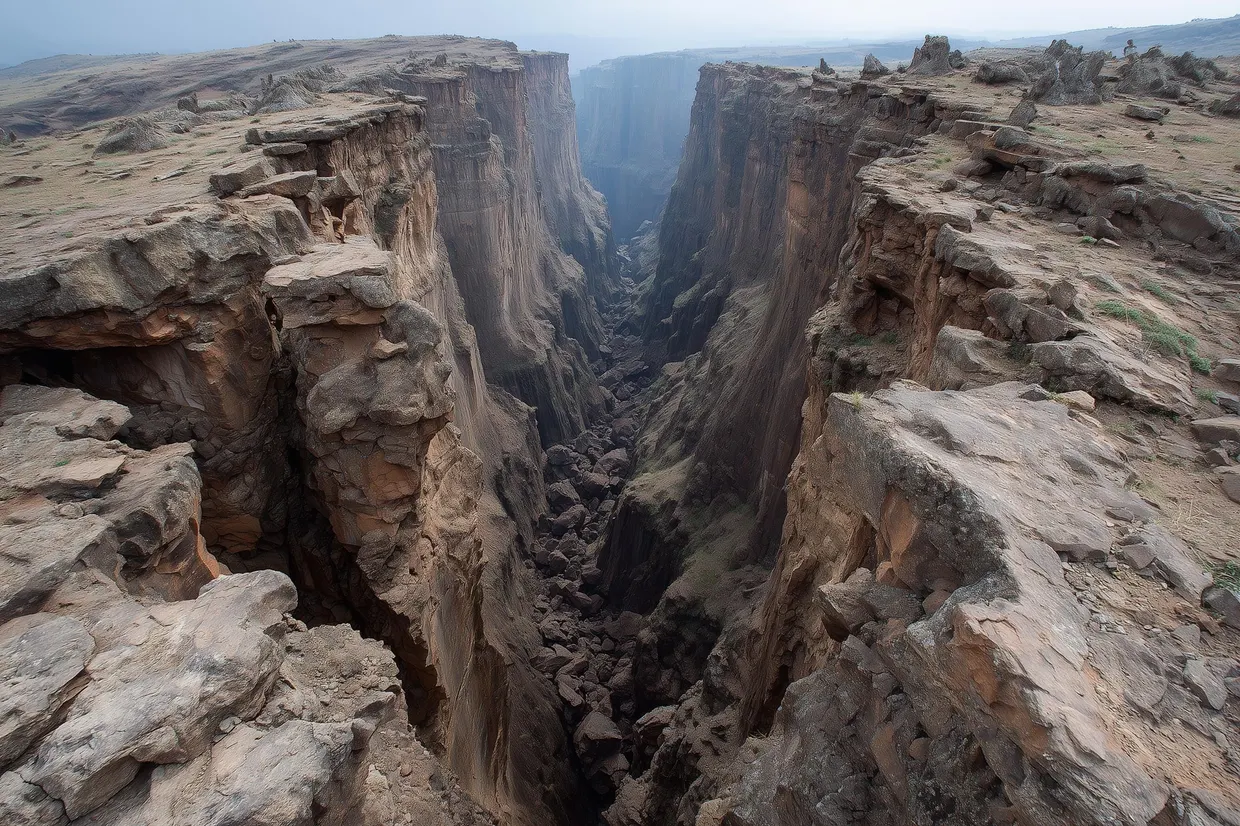
Geochemical analysis of hydrothermal springs in Zambia has provided the first chemical evidence of an active lithospheric rift zone connecting the East African Rift System to Namibia, according to a study published in Frontiers in Earth Science. The research team sampled spring gases across the Kafue Rift, identifying mantle-derived fluids rising to the surface along crustal-scale fault networks frontiersin.org
Frontiers in Earth Sciencefrontiersin.orgOpen source ↗.
Hydrothermal gases sampled within the boundary faults showed helium isotope ratios of 3He/4He = 0.14–0.17 R/Ra and carbon isotope values of δ13C(CO2) = −3.9‰. These values reveal a clear mantle signature accompanied by mobilized crustal nitrogen ranging from 84.4% to 97.6% and elevated 4He concentrations between 0.4% and 2.3%. Control samples taken from active hydrothermal groundwaters outside the rift boundary faults contained no isotopic evidence of mantle-derived helium or carbon dioxide.
Tectonic Implications
The observed isotopic compositions and spatial patterns closely resemble early-stage rifts within the more thermally mature East African Rift System. Together with low-level seismicity and previous geophysical observations, these geochemical data confirm the presence of early-stage lithospheric rifting across the region. The findings demonstrate that deep fault systems cut through the continental lithosphere, channeling deep advective fluid flow to the surface.
Resource Potential
The authors highlighted significant economic potential along these active central African fault systems frontiersin.org
Frontiers in Earth Sciencefrontiersin.orgOpen source ↗. The combination of mantle heat flow, advective transport along crustal faults, and groundwater trapping mantle CO2 without substantial fluid dilution suggests favorable conditions for geothermal energy development. Furthermore, the elevated concentrations of crustal 4He, along with prospects for hydrogen exploration, point to commercially viable gas deposits within the region.