Single-atom iron catalyst converts 97% of polyolefins to C6–C35 liquids in kilogram-scale pyrolysis
Pyrolysis over an Fe1@NC catalyst with temperature gradient control gave a 94% yield of liquid hydrocarbons from polyolefins, the authors report; the process was run at kilogram scale.
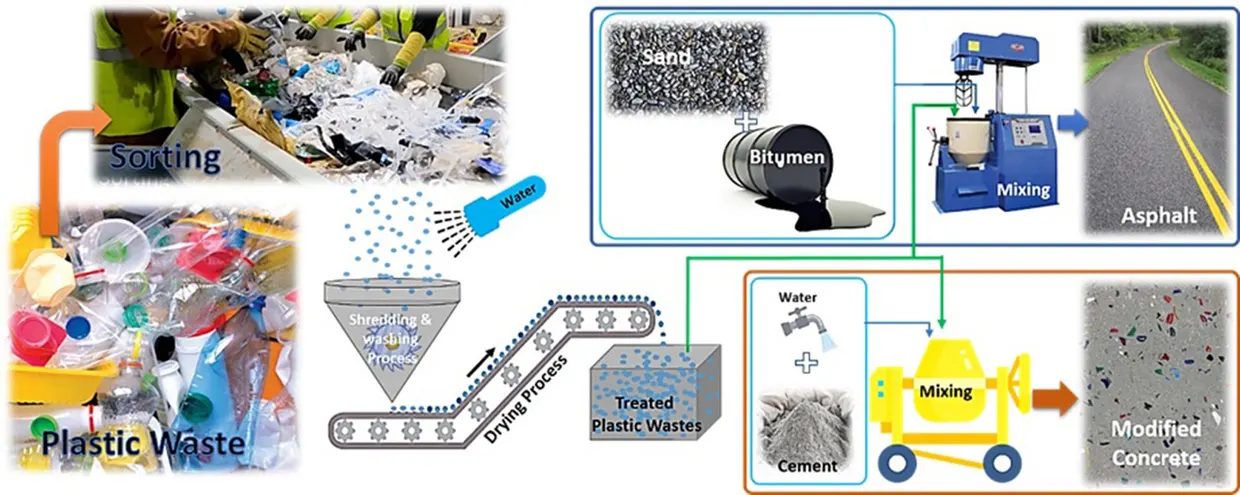
A paper in Science Advances describes an iron-catalyzed pyrolysis process for polyolefins (PO). According to the authors, it reaches 97% PO conversion and a 94% yield of liquid hydrocarbons in the C6 to C35 range science.org
Science Advancesscience.orgOpen source ↗. The catalyst is an iron single-atom catalyst on N-doped porous carbon derived from a zeolitic imidazolate framework (ZIF), designated Fe1@NC. It is used together with temperature gradient control.
The authors also ran the process on a kilogram scale, which they say supports practical scalability. They name high energy demand and poor product selectivity as the barriers that have kept pyrolysis of polyolefins from industrial implementation.
Mechanistic studies indicate that the rate-determining step is an acid base–promoted dehydrogenation of the polymer backbone. Electronic synergy between the single iron centers and the carbon support stabilizes reactive carbocation intermediates, which then decompose rapidly into olefins and alkanes. The authors describe the result as a framework for converting plastic waste into liquid hydrocarbon fractions and chemical feedstocks.